




The ‘Gunpowder’ on Every Table
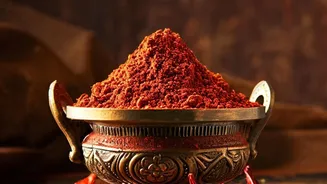
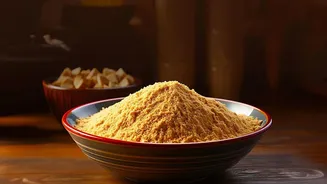
Known colloquially as ‘gunpowder’ for its explosive flavour, Milagai Podi is a coarse spice powder that holds a place of honour in South Indian kitchens. The name is a direct translation from Tamil, where 'milagai' means chilli and 'podi' means powder.
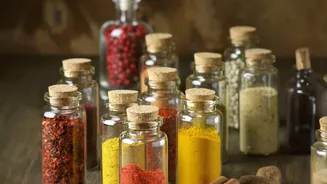
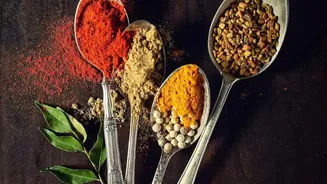
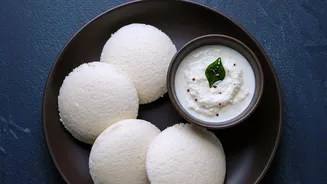
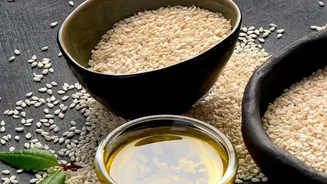
At its heart, it is a blend of roasted lentils—typically urad dal (black gram) and chana dal (Bengal gram)—combined with dried red chillies, sesame seeds, and a hint of asafoetida for its signature pungent aroma. This mixture is dry-roasted, cooled, and ground into a textured powder, ready to be called upon at a moment's notice. While sambar and chutney are popular accompaniments, for many, a meal of idli or dosa feels incomplete without a small mound of this potent powder on the side of the plate.
A Ritual of Flavour
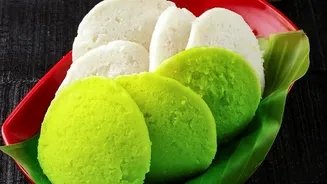
The magic of milagai podi truly comes alive just before it's eaten. A small spoonful of the dry powder is placed on a plate, a small well is created in its centre, and a generous pour of gingelly (sesame) oil or melted ghee is added. Stirred into a fragrant, savoury paste, it transforms into the perfect dip for soft, steaming idlis. The neutral, fluffy texture of the idli serves as an ideal canvas for the podi's complex taste—a harmony of nutty, spicy, and slightly smoky notes with a satisfying crunch from the coarsely ground lentils. This daily ritual is a sensory experience, a perfect marriage of texture and flavour that has comforted generations.
A Symbol of Home and Haste
Beyond its taste, milagai podi is steeped in cultural significance. It is the ultimate convenience food, a saviour on busy mornings when there is no time to grind fresh chutney. Its long shelf life made it an essential travel companion long before refrigeration, providing a taste of home for those on the road. For many, the specific aroma and taste of their family’s podi is pure nostalgia. Each household has its own treasured recipe, passed down through generations, with slight variations in the ratio of lentils, the type of chillies used for heat and colour, or the addition of other ingredients like curry leaves, garlic, or coconut. As such, a jar of homemade podi is often a symbol of a mother's or grandmother's care, a staple that ensures a quick, satisfying meal is always within reach.
A Tradition with Variations
While the classic Tamil Nadu version forms the baseline, the concept of a dry lentil and spice powder has numerous regional expressions across South India. Andhra Pradesh is known for its spicier versions, sometimes incorporating peanuts or garlic. In Karnataka, recipes might include desiccated coconut for a different layer of flavour. In recent years, new variations have emerged, catering to modern health consciousness with ingredients like flaxseed or moringa leaves. These innovations speak to the adaptability of the podi tradition, which evolves without losing its core identity. From Paruppu Podi, a milder lentil powder often given to children with rice and ghee, to the intensely fragrant Karuveppilai Podi made with curry leaves, the world of podis is rich and diverse.
The Enduring Partnership
The pairing of idli and milagai podi is a culinary masterstroke. While fresh chutneys are bright and sambar is soupy, podi offers a concentrated, dry-fire burst of flavour that is unique. Its robust character stands up to the blandness of the idli, elevating it from simple sustenance to a truly memorable meal. The practice of smearing idlis with a mixture of podi and oil, known as 'podi idli', is a popular dish in its own right, especially for lunch boxes and travel. This enduring partnership showcases how a simple, well-crafted condiment can define a dish, turning a humble steamed rice cake into an iconic and beloved breakfast.