




The Blast Heard Around the World
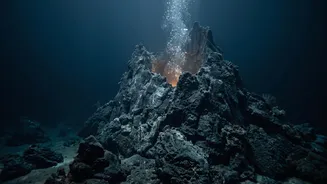
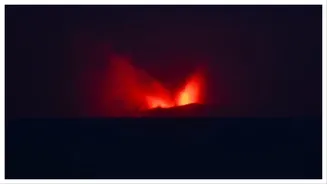
In January 2022, an underwater volcano in the Tongan archipelago unleashed an explosion so powerful it was heard thousands of kilometres away in Alaska. It sent atmospheric pressure waves circling the planet multiple times and generated tsunamis that
ravaged Tonga's coastlines before reaching shores across the Pacific. While the immediate devastation was clear, the event also marked the beginning of an intense scientific investigation. The Hunga Tonga eruption was, in many ways, a massive, unplanned global experiment, providing a torrent of data that scientists are still unpacking today. For volcanologists and acousticians, one of the most fascinating aspects was the sound it produced—both in the air and, crucially, under the sea.
Listening to the Deep Ocean
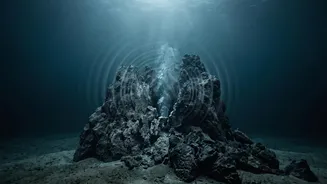
Monitoring the 80% of Earth's volcanoes that lie underwater is incredibly challenging. Scientists have long used hydrophones—underwater microphones—to listen for clues. These instruments can detect sounds from eruptions, such as the interaction of lava with seawater, or T-waves (Tertiary waves), which are acoustic signals created when seismic energy from a volcanic earthquake transfers into the water. Sound travels remarkably efficiently through the ocean, often getting trapped in a specific layer known as the SOFAR (Sound Fixing and Ranging) channel, allowing it to cover vast distances with little loss of signal. This makes hydroacoustic monitoring a vital tool, using global networks originally designed to detect clandestine nuclear tests to listen to the planet's natural groans and booms.
Hunga Tonga’s Unique Acoustic Fingerprint
The Hunga Tonga event was different. It generated a complex series of events, not just one big bang. Initial explosions created the first tsunamis and sent sound waves through the air and water. However, recent analysis has revealed a more significant and acoustically distinct event that happened over an hour later: the catastrophic collapse of the volcano's caldera. This massive inward failure displaced an enormous volume of water, creating the most destructive local tsunami. Crucially, this collapse produced a powerful and sustained underwater acoustic signal—a loud 'boom' that was clearly detected by hydrophones as far as 2,600 kilometres away. This was a breakthrough discovery, as conventional seismic monitors, often located far from remote submarine volcanoes, had largely missed the signal of the collapse.
A New Tool for Tsunami Warnings
This is perhaps the most critical lesson from Hunga Tonga. Scientists were able to correlate the precise time of the powerful underwater sound with the caldera collapse that generated the deadliest tsunami. By cross-referencing the acoustic data with the time a communications tower on the Tongan island of Tongatapu went silent, they confirmed the timeline. The sound wave, traveling through the ocean at about 1.5 kilometres per second, reached distant hydrophones far quicker than the tsunami wave it heralded. This opens the door to a new type of early warning system. By listening for the specific acoustic signature of a caldera collapse, it may be possible to issue more timely and accurate tsunami warnings for volcanically-generated waves, which are notoriously complex and harder to predict than those from earthquakes.
The Future of Underwater Volcanology
The Hunga Tonga eruption has provided a rich blueprint for the future of monitoring Earth's hundreds of submarine volcanoes. It underscored that relying on a single type of data, like satellite or seismic, is insufficient. Future warning systems will need to integrate information from atmospheric sensors, hydrophones, and seismic networks to build a complete picture of an eruption as it unfolds. The event was a stark reminder that some of the planet's most violent processes happen beneath the waves, largely out of sight. While the sounds from Hunga Tonga were a surprise to many, they have given scientists a new way to listen in, providing a valuable tool to better understand these powerful natural hazards and, ultimately, to help protect the millions of people living on coastlines around the world.