







Fatty Fish for Omega-3 Power
Fatty fish like salmon, mackerel, sardines, and herring are packed with omega-3 fatty acids, specifically EPA and DHA. These compounds are renowned for their potent anti-inflammatory properties. Inflammation is a key driver of joint pain and stiffness,
particularly in conditions like rheumatoid arthritis. Omega-3s work by helping to curb the production of inflammatory molecules in the body. Beyond just fighting inflammation, these healthy fats also play a role in lubricating the joints and may even help protect cartilage, the crucial tissue that cushions our bones. Incorporating fatty fish into your diet two to three times a week can provide a significant boost to your joint health. Try baking or grilling fillets with herbs and lemon for a simple, delicious meal.
Colourful Berries and Cherries
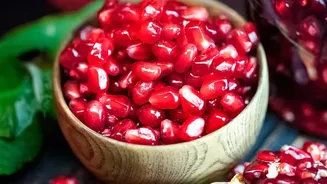
The vibrant colours of fruits like blueberries, strawberries, raspberries, and cherries are a sign of their rich antioxidant content. They are particularly high in compounds called anthocyanins, which have been shown to combat inflammation and reduce oxidative stress. Oxidative stress contributes to the breakdown of joint tissues over time. Studies have suggested that regular consumption of these fruits can help ease everyday aches and support mobility. They are easy to add to your morning routine—simply toss a handful into your oatmeal, yogurt, or a smoothie. Frozen berries are just as nutritious as fresh ones and are available year-round.
Leafy Greens and Cruciferous Vegetables
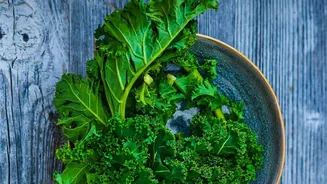
Dark leafy greens like spinach, kale, and cabbage are nutritional powerhouses for joint health. They are loaded with antioxidants and essential vitamins, such as Vitamin K, which is vital for bone health. Furthermore, cruciferous vegetables like broccoli contain a unique compound called sulforaphane. Research suggests that sulforaphane may help slow the progression of joint damage by blocking certain inflammatory enzymes. Aim to fill half your plate with a variety of colourful vegetables at every meal to reap these protective benefits.
Nuts and Seeds
For a convenient and joint-friendly snack, turn to nuts and seeds. Walnuts, almonds, flaxseeds, and chia seeds are excellent sources of anti-inflammatory monounsaturated and polyunsaturated fats. Walnuts, flaxseeds, and chia seeds are particularly notable for being good plant-based sources of omega-3 fatty acids. These nutrients help to lower inflammatory markers in the blood. Sprinkle them on salads, blend them into smoothies, or simply enjoy a small handful as a snack to help keep your joints comfortable.
The Golden Spice: Turmeric
A staple in Indian kitchens, turmeric contains a powerful anti-inflammatory compound called curcumin. This active ingredient is what gives the spice its golden colour and has been studied extensively for its ability to manage chronic inflammation associated with joint pain. To enhance its benefits, it is best to consume turmeric with black pepper, which contains piperine, a substance that significantly increases curcumin absorption. Add a teaspoon of turmeric to curries, soups, dals, or a warm glass of milk for a soothing and beneficial drink.
Nourishing Bone Broth
Bone broth, made by simmering animal bones and connective tissues, is a traditional food that is rich in several joint-supporting nutrients. It is a natural source of collagen, which is the main protein that forms our cartilage and connective tissues. Bone broth also provides glucosamine and chondroitin, compounds that are essential for cartilage health and are often found in joint supplements. Sipping on a warm cup of bone broth or using it as a base for soups and stews is a comforting way to deliver these essential building blocks directly to your body.