






The Double-Edged Sword of Tourism
There's no denying the economic allure of a thriving tourism industry. It creates jobs, stimulates demand for local goods and services, and can be a significant source of revenue. For many communities, especially in areas with limited economic alternatives,
tourism can feel like a lifeline. However, when growth is prioritized above all else, this economic boom comes at a high cost. Overtourism, a term for when visitor numbers overwhelm a destination, leads to a host of problems that undermine the quality of life for residents and, ironically, degrade the visitor experience itself. The very charm that attracts travelers can be eroded by the sheer volume of people.
When Culture Becomes a Commodity
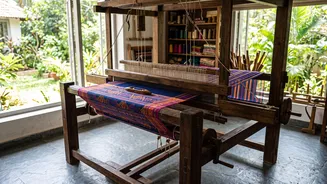
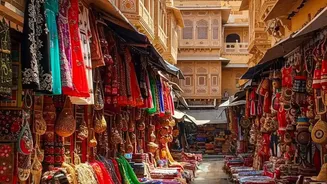
One of the most significant casualties of irresponsible tourism is local culture itself. When traditions, festivals, and crafts are viewed primarily as products to be sold, their authenticity can become diluted. Sacred rituals can turn into performances, and ancient crafts can be mass-produced for souvenir shops, losing their cultural significance. In some instances, tourists may treat local people like commodities, taking photos without permission or behaving in ways that disrespect local customs. Instead of a genuine exchange that fosters mutual understanding, tourism becomes a simple financial transaction that can leave communities feeling exploited and misrepresented. This commercialization can also lead to a loss of cultural identity as younger generations see more value in catering to tourist expectations than in preserving their own heritage.
The Strain on Homes and Resources
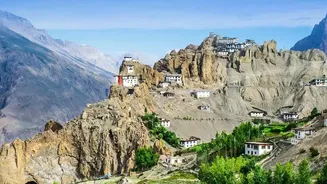
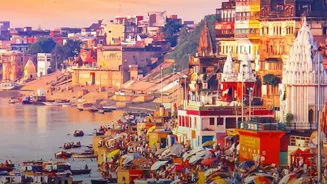
Beyond the cultural impact, overtourism places immense pressure on local infrastructure. Small towns in the Himalayas and coastal villages in Goa, for example, often lack the systems to handle massive influxes of visitors. This leads to traffic congestion, water shortages, and overwhelmed waste management systems. Furthermore, the rise of short-term holiday rentals can drive up housing prices, making it difficult for local residents to afford to live in their own communities. This phenomenon, sometimes called 'tourist gentrification', can displace long-standing communities, fundamentally altering the social fabric of a place. The benefits of tourism are hardly beneficial if they push out the very people who form the heart of the destination.
A Better Path: Community-Based Tourism
The solution isn't to stop traveling, but to travel better. A more sustainable and ethical model is community-based tourism (CBT), which places local communities at the center of the travel experience. In this model, tourism initiatives like homestays, guided tours, and craft workshops are owned and managed by community members. This ensures that revenue stays within the community, providing direct economic empowerment and improving living standards. It also fosters a sense of pride and encourages the preservation of cultural heritage and the environment. For travelers, CBT offers a more authentic and immersive experience, creating a genuine connection that mass tourism often lacks.
How to Be a More Responsible Traveler
Every traveler has a role to play in promoting a healthier tourism ecosystem. The journey begins with research. Before you visit, learn about the local customs, traditions, and sensitivities to ensure your interactions are respectful. While there, prioritize supporting the local economy directly. Choose to stay in locally-owned guesthouses or homestays, eat at family-run restaurants, and buy handicrafts directly from artisans. This ensures your money benefits the community rather than large, international corporations. Finally, be mindful of your environmental footprint. Minimize waste by carrying reusable water bottles and bags, and respect the natural environment by sticking to marked trails and not disturbing wildlife.