


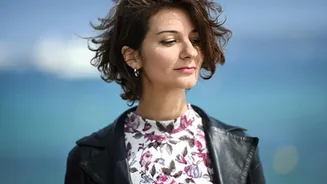
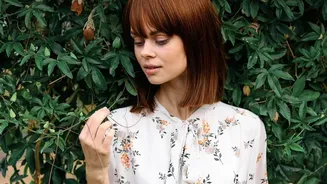
What Is a Shaggy Lob?
First, let's define our terms. A 'lob' is simply a long bob, typically cut somewhere between the chin and the collarbone. The 'shaggy' element transforms it from a classic, structured cut into something more relaxed and textured. Think less of a sharp,
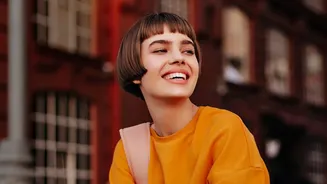
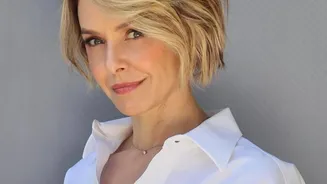
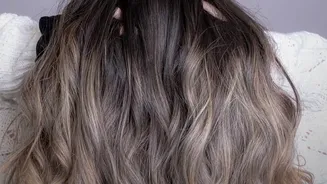
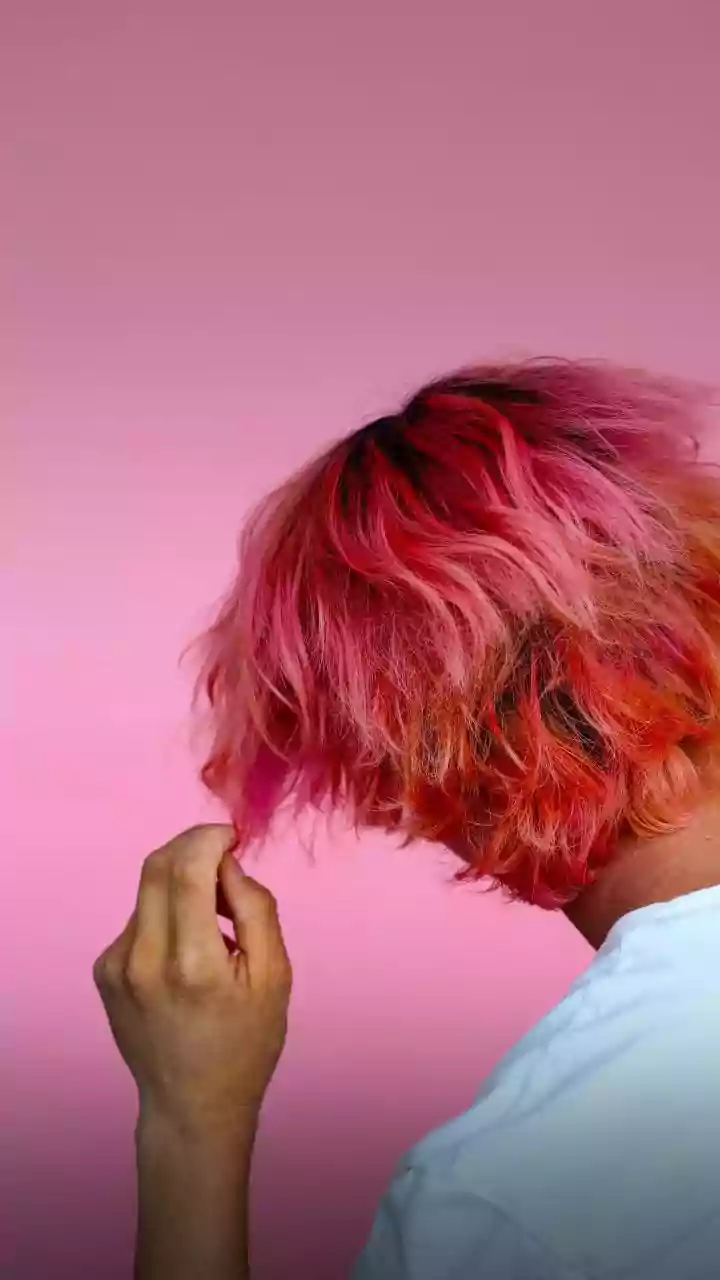
polished bob and more of a haircut with tons of movement, face-framing pieces, and an undone vibe. It’s a modern nod to the iconic shag haircuts of the 70s, but adapted for today’s style. Unlike a standard layered bob, the shag focuses on creating a bohemian, free-flowing feel. The goal is to look stylishly tousled, not perfectly coiffed.
The Problem with Uniform Layers
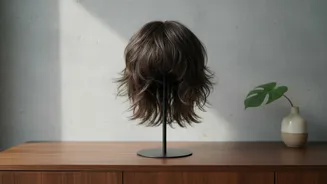
When many people think of adding texture, they think of traditional, uniform layers. However, for a shaggy lob, this can be a mistake. Evenly spaced, chunky layers can make the cut feel dated or, worse, create an unwanted 'mullet' effect if not executed correctly. The true essence of a shag is its seamless, almost invisible layering that builds volume and movement in a very specific way. A great shag haircut is defined by its overall shape, not by a series of predictable steps. Overly choppy or blunt layers disrupt the soft, feathered texture that makes the style so appealing. The idea is to remove weight and add airiness, not to create distinct shelves in the hair.
It’s All About the Shape
So, if uniform layers are out, what’s in? The answer is shape. A skilled stylist will approach a shaggy lob by considering your face shape, hair texture, and how the hair will naturally fall. They focus on creating a flattering silhouette, often with shorter layers concentrated around the face to frame your features and longer, more blended layers throughout the rest of the hair. This technique is sometimes called 'internal layering' or 'invisible layers,' where the texture is cut into the hair in a way that’s not immediately obvious. This creates volume and movement from within, resulting in that coveted 'I woke up like this' look without sacrificing the overall length or creating a choppy finish.
How to Talk to Your Stylist
Getting the haircut you want starts with using the right language. Instead of just asking for 'layers,' be more specific. Bring inspiration photos, but be prepared to discuss how the look can be adapted for your hair. Use phrases like: 'I’m looking for a lived-in, textured lob,' 'I'd like soft, face-framing layers,' or 'I want to avoid a blunt, heavy look.' Mention that you want movement and airiness, and that you're aiming for a 'shag' feel rather than a classic bob. A good stylist will understand this distinction and will likely use techniques like razor cutting or point cutting to create that soft, feathered effect. Don't be afraid to say you want a cut that looks good even when it’s a little messy.
Styling for Effortless Texture
A great cut does most of the work, but the right styling products will enhance its shape. The goal is to encourage your hair's natural texture, not fight it. Start with a texturizing spray or sea salt spray on damp hair to add some grit and create a beachy, piecey feel. If you have fine hair, a lightweight mousse can add volume at the roots. A finishing cream or spray wax can be used on dry hair to define the ends and tame any unwanted frizz without weighing the hair down. For the most part, air-drying or rough-drying with a diffuser will give you the best results, as it helps bring out the movement created by the cut’s internal shape and layers.