





The Viral Sensation Explained
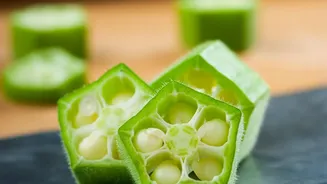
If your social media feeds are filled with wellness content, you've likely seen it: glistening glasses of water containing sliced okra pods. This concoction, known as okra water, is simple to make by soaking fresh okra in water for up to 24 hours. The
resulting liquid becomes thick and gel-like, and influencers have hailed it as a natural elixir for everything from weight loss and improved digestion to glowing skin. The claims are often dramatic, with some dubbing it “nature’s Botox” and promising it can deliver the coveted “glass skin” look. This has led to a surge in curiosity, with many people eager to try this seemingly simple and affordable home remedy.
The Grain of Truth: Okra's Nutritional Power
The excitement around okra water isn't entirely unfounded; it stems from the impressive nutritional profile of okra itself. The vegetable is a powerhouse of vitamins and minerals, including vitamins A, C, and K, as well as folate and magnesium. It's particularly rich in antioxidants, such as polyphenols, which help protect the body from damage. The most talked-about component is its mucilage—the slippery, gel-like substance that is released when okra is soaked or cooked. This mucilage is a form of soluble fibre, which is known to have health benefits like aiding digestion and potentially helping to regulate blood sugar. Given these components, it's easy to see how the leap was made to assume that water infused with them must be a beauty cure-all.
Claim vs. Reality: Skin and Hair Benefits
Here's where the claims meet a hard reality: the evidence is almost entirely anecdotal. While some websites and influencers suggest applying okra water topically can soothe irritation, reduce acne, and provide a youthful glow, there are no robust clinical studies to support these effects. One dermatologist noted that while some natural ingredients can help with inflammation, there is no evidence-based literature to support claims that an okra and rose water mixture can fix sunburn and wrinkles. The core issue is that the benefits of eating a nutrient-rich vegetable do not necessarily transfer to the water it was soaked in. Experts point out that you would get far more of the valuable fibre and nutrients by simply eating the whole okra.
A Nod to Traditional Use
It's important to distinguish the modern, viral claims from the plant's long history. Okra is native to regions like West Africa and South Asia and has been a culinary and medicinal staple for centuries. Traditionally, it has been used in various cultures to help with issues like constipation and gastritis, largely due to its high fibre and mucilage content. The mucilage was used to lubricate the intestines and soothe the digestive tract. In some traditions, it was also used to manage conditions like diabetes. This historical context shows that okra has long been valued for its properties, but these traditional applications are different from the specific, often exaggerated beauty claims circulating online today.
The Expert Verdict
The consensus among dietitians and dermatologists is clear: while drinking okra water is unlikely to be harmful for most people, it's not a miracle cure. A senior clinical dietitian noted that while okra itself contains beneficial vitamins and minerals for skin and immune health, the evidence for okra water's benefits remains 100% anecdotal. It is unclear how many of the nutrients from the vegetable actually transfer into the water during the soaking process. Experts caution against replacing proven health and skincare routines with this trend. Eating a balanced diet rich in vegetables, including whole okra, is a much more reliable way to support skin health from the inside out. For specific skin concerns, consulting a dermatologist for evidence-based treatments is always the best course of action.