



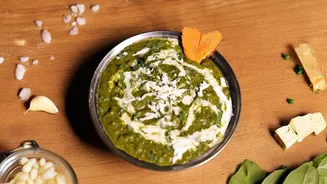


1. Carrot (Gajar)
Carrots are a foundational ingredient in many cuisines, but they truly shine in Indian slow-cooked dishes. When cooked over a low, steady heat, their natural sweetness intensifies, providing a perfect balance to the complex and often fiery spice blends.
Instead of becoming mushy, they soften to a tender, melt-in-your-mouth consistency while holding their shape. This makes them ideal for both savory and sweet preparations. In savory dishes like a simple carrot and pea sabzi or a hearty meat curry, they absorb the flavors of turmeric, cumin, and coriander, becoming jewels of sweetness in a spicy gravy. Of course, the most iconic slow-cooked carrot dish is Gajar ka Halwa. Traditionally simmered for hours in milk until tender, the carrots break down into a rich, decadent pudding that is a beloved dessert across the country. The slow-cooking process is essential for allowing the milk to reduce and the carrots to release their full, sweet potential.
2. Sweet Potato (Shakarkandi)
Sweet potatoes, or Shakarkandi, are another versatile root vegetable that thrives in a slow cooker. Their inherent sweetness and creamy texture make them a wonderful addition to a variety of Indian curries and side dishes. Unlike regular potatoes, which can sometimes become grainy, sweet potatoes break down into a smoother, more luscious consistency that naturally thickens sauces and gravies. This quality is perfect for creating rich, comforting curries without needing to add a lot of extra thickeners. When slow-cooked with spices like red chili powder, turmeric, and amchur (dry mango powder), their sweetness provides a beautiful counterpoint to the tangy and spicy notes. A simple Shakarkandi ki Sabzi, where cubes of sweet potato are simmered in a spiced yogurt or tomato-based gravy, becomes incredibly flavorful as the vegetable soaks in all the aromatic spices over time. They are also a fantastic addition to lentil dishes, adding substance and a subtle sweetness that complements the earthiness of the dal.
3. Turnip (Shalgam)
Turnips might not be the first vegetable that comes to mind for many, but in North Indian and Pakistani cuisine, they are a winter staple, especially in slow-cooked meat dishes. Raw turnips have a slightly sharp, peppery bite, but the magic of slow-cooking transforms them completely. Simmered for hours in a rich, spiced broth, they become incredibly tender and absorb the surrounding flavors, while their own taste mellows into a subtle sweetness. The most famous application is Shalgam Gosht, a classic curry where turnips are cooked with mutton or lamb. The turnips break down slightly, thickening the gravy and adding a unique, earthy depth that is highly prized. The long cooking time ensures that both the meat and the turnips become fork-tender, creating a deeply satisfying and comforting meal perfect for colder months. Even in vegetarian preparations, slow-cooked turnips paired with spices and tomatoes lose their bitterness and become a delightful, hearty ingredient.
4. Elephant Foot Yam (Jimikand/Suran)
Elephant foot yam, known as Jimikand or Suran, is a dense, starchy root vegetable that is a powerhouse in slow-cooked recipes. Its firm, almost meaty texture allows it to hold its shape exceptionally well even after hours of cooking, making it an excellent vegetarian substitute for meat in many curries. On its own, suran can be rather bland, but this is its greatest strength in slow-cooking; it acts like a sponge, soaking up all the flavors of the masala it's cooked in. Many recipes call for boiling or frying the yam first to remove any potential throat itchiness and to give it a better texture before adding it to the curry. When simmered in a gravy of onion, tomato, ginger, garlic, and a host of spices, it becomes tender yet firm, with a satisfying bite. A well-made Jimikand ki Sabzi, cooked slowly until the gravy is thick and clinging to the pieces of yam, is a rustic and deeply flavorful dish.
5. Taro Root (Arbi)
Taro root, or Arbi, is a small, starchy root vegetable with a unique texture that ranges from firm to creamy when cooked. In slow-cooked Indian dishes, it truly excels, particularly in gravies where it can absorb a tremendous amount of flavor. One of its most celebrated pairings is in Arbi Gosht, a flavorful meat curry where the taro root becomes soft and almost melts into the sauce, enriching and thickening it naturally. The slightly nutty flavor of arbi complements the richness of the meat and the intensity of the spices. When preparing arbi, it's often boiled or fried beforehand to make it less slimy and easier to handle. Once added to a slow-cooking curry, it transforms into tender, delicious morsels. Its ability to absorb flavors makes it perfect for tangy, sour preparations as well, such as a Hyderabadi-style 'khatta salan' where it's simmered with tamarind pulp. The slow cooking process ensures the arbi is cooked through perfectly, resulting in a comforting and hearty dish.