




An Essence with Royal Roots
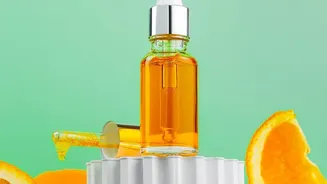
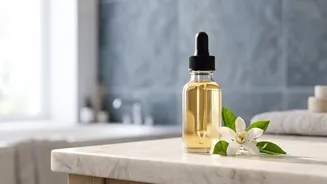
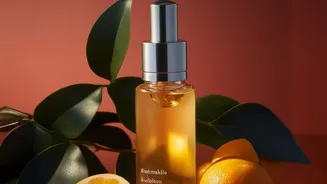
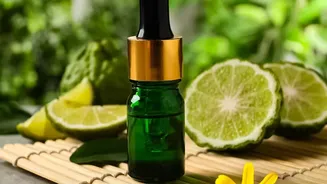
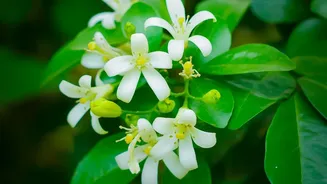
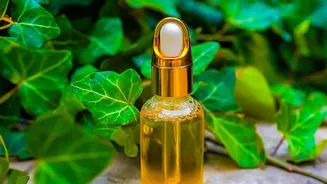
Neroli oil is the essential oil steam-distilled from the fragrant, waxy-white blossoms of the bitter orange tree, scientifically known as Citrus aurantium amara. While the tree itself is native to parts of Asia, its cultivation flourished across the Mediterranean
and North Africa. Its name is famously traced back to 17th-century Italy and Anne Marie Orsini, the princess of Nerola. She was so captivated by the scent that she used it to perfume her gloves and bathwater, popularizing it among European nobility. The process is incredibly delicate; the flowers must be hand-picked and distilled quickly to preserve their precious oil, which explains its high cost. In fact, it takes approximately 1,000 kilograms of blossoms to produce just one kilogram of neroli oil.
The African Terroir Advantage
While neroli is produced in several countries, the headline's 'African' distinction is key. Nations like Tunisia, Morocco, and Egypt are leading producers, renowned for their high-quality oil. The region's sun-drenched climate and fertile soil, particularly in the Nile Delta, provide the perfect conditions for cultivating bitter orange trees that yield an oil with a superior aromatic profile—sweet, floral, and complex. This regional expertise, often passed down through generations, ensures meticulous harvesting and distillation methods that capture the flower's full essence. For many brands, sourcing from Africa is also about a commitment to ethical and sustainable practices, partnering with local farmers and communities to ensure fair trade and support local economies.
The Science Behind the Glow
Neroli's appeal isn't just its luxurious scent; it’s backed by potent skincare benefits. Scientific studies show the oil has significant antimicrobial, anti-inflammatory, and antioxidant properties. For the skin, this translates into a powerful, multi-tasking ingredient. Its antibacterial qualities can help manage acne-prone skin and reduce the redness associated with breakouts. As an antioxidant, it helps protect the skin from environmental stressors and free radicals that lead to premature ageing. Furthermore, neroli oil is celebrated for its ability to help regenerate skin cells, which can improve the appearance of scars, fine lines, and uneven skin tone.
From Perfume to Potions
For centuries, neroli's primary home was in perfumery. It was a foundational note in the original 'Eau de Cologne' created in the 18th century and remains a staple in fine fragrance for its ability to add a fresh, sophisticated floral lift. However, the last decade has seen a dramatic shift. As consumers became more educated and discerning, the 'clean beauty' movement gained momentum. Shoppers began looking for products with transparent ingredient lists, natural botanicals, and scientifically-proven results. Neroli was perfectly positioned for this transition. Its dual benefits—a beautiful, non-synthetic fragrance and genuine skin-enhancing properties—made it an ideal candidate for modern formulations.
Why It's a Favourite Now
Today, neroli oil's status as a botanical favourite is cemented. It ticks all the boxes for the modern consumer: it’s natural, effective, and has a compelling story. Its ability to balance the skin, making it suitable for oily, dry, and mature types, adds to its universal appeal. Moreover, the aromatherapeutic benefits can't be overstated; its scent is proven to have a calming effect, reducing stress and anxiety. In an era where skincare is increasingly viewed as a form of self-care, an ingredient that soothes the mind while treating the skin offers a holistic experience. Brands now highlight not just the ingredient, but its journey from the blossoms of Africa to the bottle, tapping into our desire for products that are both effective and meaningful.