







Before You Go: Pack for Success
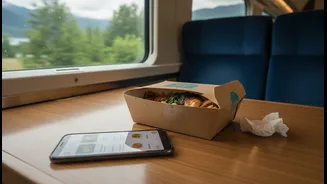
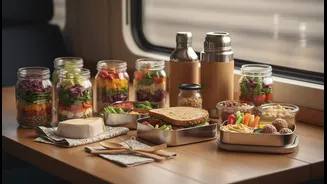
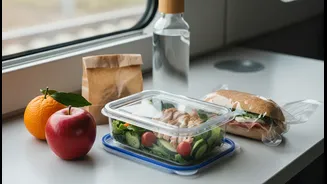
The safest meal on a train is often the one you bring from home. For journeys lasting a day, home-cooked food is an excellent option. Focus on dry and semi-dry items that travel well without refrigeration. Think theplas, puris with a dry vegetable preparation,
stuffed parathas, and pickles. Items with less moisture are less likely to spoil. Avoid dishes with a lot of onion or wet gravy, as they can go bad faster, especially in warmer weather. For longer journeys, supplement home-cooked meals with reliable non-perishable snacks. Pack items like nuts, roasted chana, energy bars, trail mix, and whole fruits with peels like apples and bananas. These provide energy without the risks associated with unprepared food. Packing your own food for at least the first day gives you control over hygiene and quality.
At the Station: Choose Your Vendor Wisely
Railway stations can be a sensory overload of food options, from bustling stalls to small trolleys. When buying food, your eyes are your best first line of defense. Opt for vendors at clean-looking stalls. Prioritize food that is prepared fresh in front of you and served hot. High heat is effective at killing most harmful bacteria. Be wary of items that have been sitting out, uncovered, and exposed to flies and dust. Packaged snacks and drinks are generally safer, but always inspect the packaging. Ensure seals on bottles and packets are intact and check for the expiry date. When buying bottled water, stick to trusted brands or the IRCTC's own Rail Neer to avoid contaminated water.
Onboard Dining: Pantry Cars and E-Catering
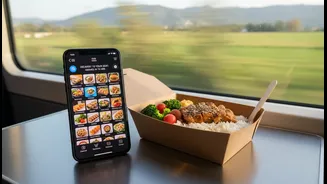
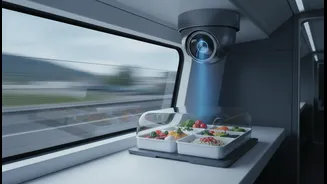
Many long-distance trains have a pantry car, but food quality can be inconsistent. Recent incidents of food poisoning have raised concerns about hygiene standards. While Indian Railways has mandated FSSAI certification for vendors and installed cameras in some kitchens, issues persist. If ordering from the pantry, choosing simple, hot, and freshly cooked vegetarian meals like dal and rice can be a safer bet. A more reliable alternative is to use IRCTC's e-catering service. This allows you to order from FSSAI-approved restaurants at major stations, which are then delivered to your seat. Platforms like Zomato now partner with IRCTC, offering a wider variety and a better system of accountability. Check reviews and ratings before placing an order.
The Golden Rules: Stay Vigilant
Regardless of where your food comes from, a few simple rules can significantly lower your risk. The most important is to always wash your hands thoroughly with soap and water before eating. If that's not possible, use an alcohol-based hand sanitizer. Avoid drinking tap water or any beverages with ice, as the water source is often unknown. Be cautious with raw foods, including pre-cut fruits and salads, as they may have been washed in unsafe water or handled with unclean hands. It's also wise to eat smaller meals at regular intervals rather than large, heavy ones, which can cause indigestion during travel. Staying hydrated is crucial, so sip on sealed bottled water throughout your journey.
Recognising the Risks: Symptoms of Food Poisoning
Food poisoning, often called traveller's diarrhoea or 'Delhi Belly', is typically caused by consuming food or water contaminated with bacteria like E. coli or Salmonella. Symptoms can appear within hours or a couple of days and commonly include nausea, vomiting, watery diarrhoea, abdominal cramps, and sometimes a low-grade fever. While most cases are mild and resolve on their own, it's important to recognise the signs so you can take immediate steps to manage the illness and prevent dehydration, which is the main complication.
Next Steps: What to Do If You Get Sick
If you start feeling unwell on the train, the priority is to stay hydrated. Drink plenty of bottled water, and if you have them, oral rehydration salts (ORS) to replenish lost electrolytes. Avoid anti-diarrhoea medication unless absolutely necessary (for example, if you have a long journey ahead with no access to a clean toilet), as diarrhoea is the body's natural way of expelling toxins. Stick to plain foods if you feel you can eat. Simple rice, toast, or a plain khichdi are good options. You can inform the Train Ticket Examiner (TTE) or use the railway helpline numbers (138 or 139) to request medical assistance at the next major station. If symptoms are severe, include high fever, blood in your stool, or signs of dehydration like dizziness, seek medical help immediately.