


The Deceptively 'Healthy' Halo
Smoothies are widely marketed as the pinnacle of convenient nutrition. They are colourful, made from fruit, and feel like a virtuous choice for breakfast or a post-workout snack. The problem is that not all smoothies are created equal. Many pre-made and even
homemade versions are overloaded with high-sugar ingredients that can send your daily sugar intake soaring. While the sugar in fruit is natural, the way it's consumed matters immensely. When you blend multiple fruits, add fruit juice as a base, or toss in sweetened yogurts, the sugar grams can quickly add up to rival a can of soda or a dessert. A survey of smoothies marketed to children found that the average sugar content was a staggering 13 grams per 100ml. Many popular on-the-go smoothies can contain more sugar than the recommended daily maximum for an adult in a single bottle.
Understanding the Sugar Rush
When you eat a whole piece of fruit, the sugar (fructose) is encased in fibrous cell walls. Your body has to work to break down this fiber, which slows the absorption of sugar into your bloodstream. Blending, however, does this work for the body. It pulverizes those cell walls, essentially making the sugar 'free' and more readily available. This can lead to a rapid spike in blood sugar and a subsequent crash, leaving you feeling tired and hungry soon after. While blending does retain the fiber, unlike juicing, the mechanical breakdown changes how your body processes the sugar. It’s the difference between a slow-release energy source and a quick-acting one.
The Common Sugar Culprits
Building a high-sugar smoothie is easier than you think. The main offenders often hide in plain sight. Using fruit juice as a liquid base is a common mistake; it adds a significant amount of sugar without the fiber of whole fruit. Tropical fruits like mangoes, very ripe bananas, grapes, and dates are particularly high in sugar. While they offer nutrients, using them in large quantities can overwhelm your smoothie. Flavored yogurts are another source of hidden sugar, often containing added sweeteners and artificial flavors. Even seemingly healthy additions like honey or maple syrup are still considered added sugars and contribute to the total load.
The Formula for a Balanced Smoothie
The secret to a truly healthy smoothie lies in balance. Instead of focusing solely on fruit, aim to build your drink around a framework of protein, healthy fat, and fiber. This combination helps to slow down the absorption of sugar, keeps you feeling full and satisfied, and provides sustained energy. A good rule of thumb is to include a source of protein like plain Greek yogurt, protein powder, or tofu; a healthy fat like avocado, nut butter, or chia seeds; and plenty of fiber from vegetables and a controlled portion of fruit. This turns your smoothie from a potential sugar rush into a well-rounded, nutritious meal or snack.
Smart Swaps for a Healthier Blend
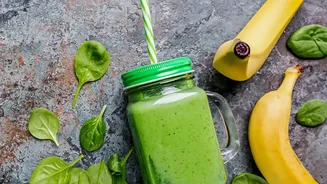
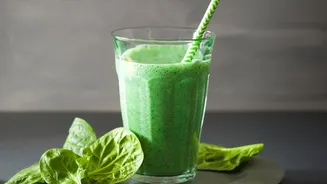
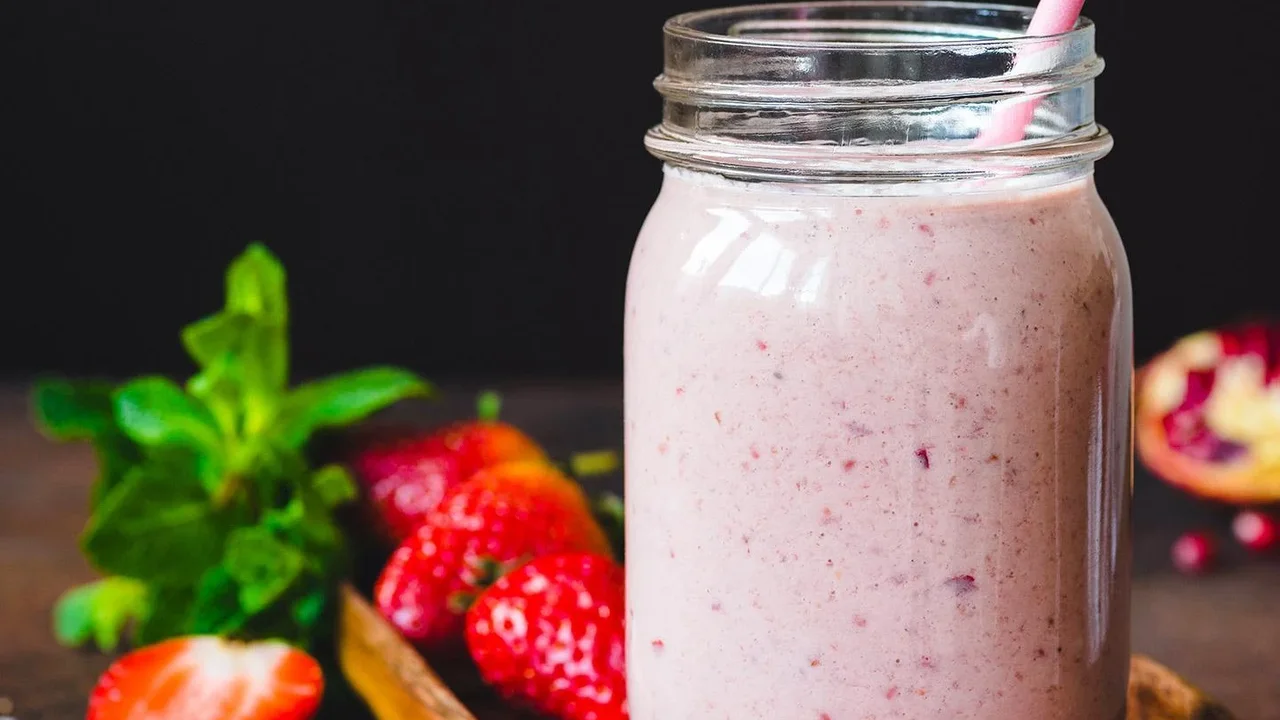
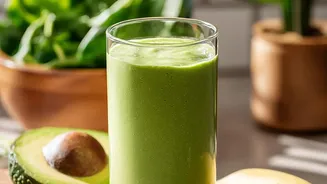
Making a lower-sugar smoothie doesn't mean sacrificing flavour. Small, strategic swaps can make a huge difference. Instead of using fruit juice or sweetened milk as your liquid, opt for water, unsweetened almond milk, or low-fat dairy milk. When it comes to fruit, prioritize low-sugar options like berries (raspberries, blueberries, strawberries), which are also high in fiber. A handful of spinach or kale adds vital nutrients with minimal flavour impact. For creaminess, a quarter of an avocado is a great substitute for a whole banana, adding healthy fats that promote satiety. If you're using yogurt, always choose plain, unsweetened varieties and add your own natural sweetness with a small amount of fruit.
Don't Forget About Portion Size
Even with the healthiest ingredients, size matters. One of the most common mistakes is making smoothies that are simply too large. A standard serving should be around 8 to 12 ounces (about 240-350ml). It's easy to pack two or three servings of fruit into a large blender cup, which can be more fruit than you'd eat in one sitting. Dietitians often recommend limiting the fruit in your smoothie to about one cup or one whole fruit. By being mindful of your portion size, you can enjoy all the benefits of a nutrient-dense smoothie without unintentionally consuming excess calories and sugar.