




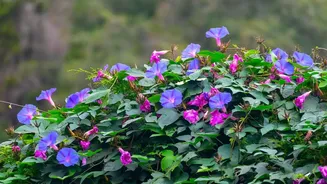
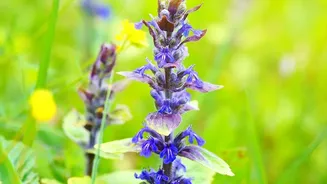
What Exactly Is Neelakurinji?
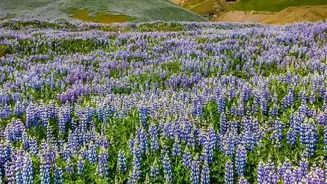
Neelakurinji, or Strobilanthes kunthiana, is a shrub that is endemic to the shola grasslands of the Western Ghats. What makes this plant so extraordinary is its highly unusual life cycle. It blooms in a massive, synchronised event only once every 12 years,
after which the plants die and their seeds give rise to the next generation, which will wait another 12 years to flower. The name itself comes from the local Malayalam words 'Neela' (blue) and 'Kurinji' (flower). This long, patient cycle is a rare botanical phenomenon known as gregarious flowering, making each bloom a much-anticipated, once-in-a-generation event that draws visitors from across the globe.
The 2026 Bloom: A Tale of Two Cycles
The current buzz around a 2026 bloom can be slightly confusing, as the most famous Neelakurinji spot, Eravikulam National Park, saw its last major bloom in 2018 and is expected to flower next only in 2030. However, the Western Ghats are home to different populations of Neelakurinji that operate on their own 12-year clocks. The 2026 flowering event is happening in a different, distinct population of these shrubs. This particular group, located around the Chokramudi and Mattupetty-Korandakkad hills, last flowered in 2014, making 2026 their scheduled year to put on a show. So, while Eravikulam rests, other parts of Munnar are now taking centre stage with their own vibrant display.
Where to See the Flowers This Year
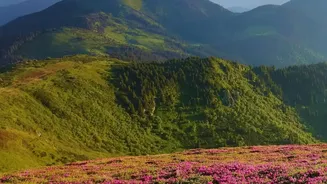
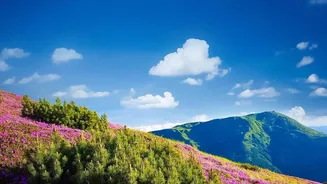
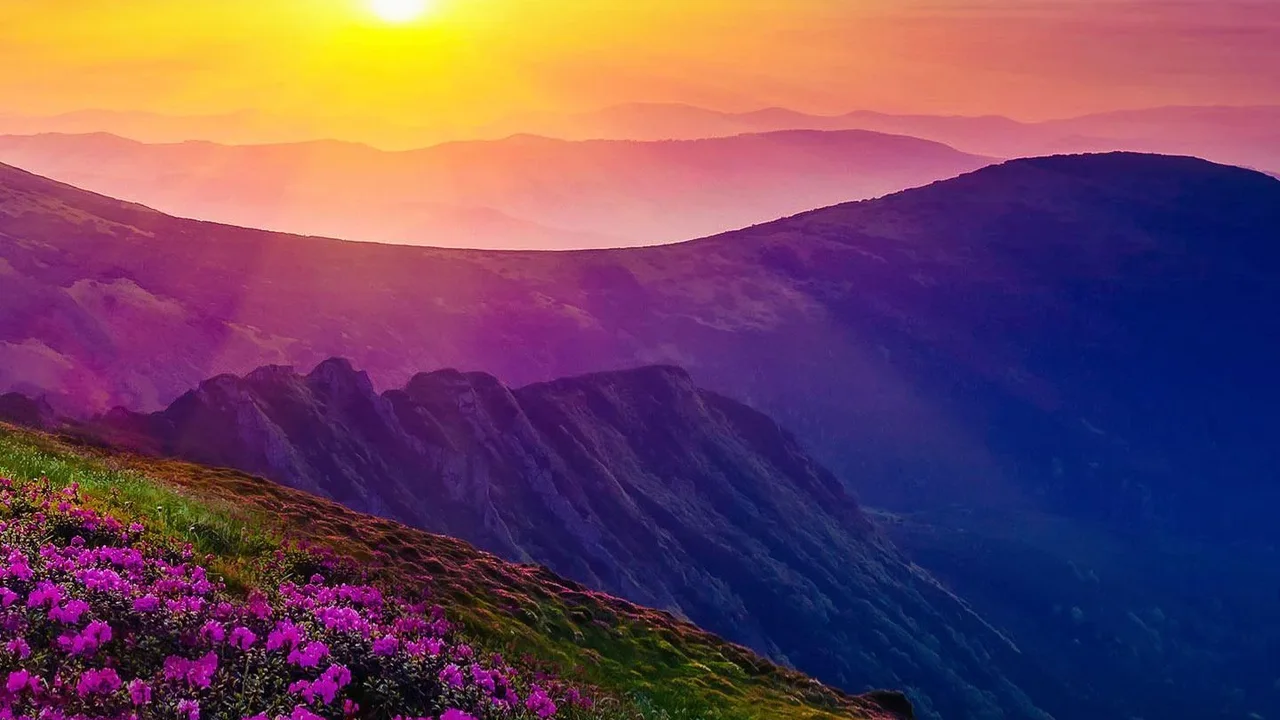
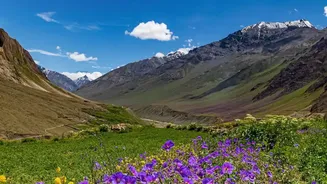
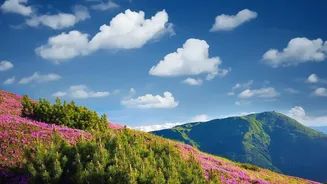
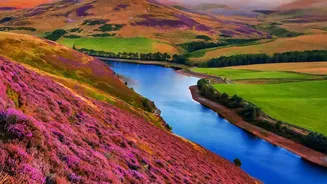
For travellers hoping to witness this spectacle in 2026, the primary viewing areas are the Chokramudi Hills and the slopes around Korandakkad near Mattupetty. Authorities have opened designated viewing areas at Chokramudi for tourists. These high-altitude grasslands offer stunning panoramic views of the blue and purple carpet of flowers. While the last major event was centred in Eravikulam National Park, visitors this year should focus their plans on these other specified zones for the best chance to see the bloom in all its glory. The flowering season generally runs from August through October, with the peak display often occurring after the monsoon.
More Than Just a Pretty Flower
The Neelakurinji bloom is far more than a visual treat; it's a vital part of the local ecology. The mass flowering provides an abundance of nectar for bees and other pollinators, and local honey produced during this period is considered exceptionally sweet and valuable. The plant itself plays a crucial role in preventing soil erosion on the steep mountain slopes. Culturally, the flower is deeply significant. It is believed that the Nilgiri Hills, or 'Blue Mountains', derived their name from the Neelakurinji bloom. For the local Paliyan tribal community, the flowering cycle has traditionally been used to calculate their age and mark the passing of generations.
How to Be a Responsible Visitor
The sudden influx of tourists poses a significant threat to this fragile ecosystem. To protect the Neelakurinji for future generations, authorities have issued strict guidelines. Visitors are urged not to pluck the flowers or uproot the plants; they will not survive at lower altitudes and are an endangered species. Sticking to designated trails is crucial to avoid trampling the delicate shrubs. The flowering areas are also strictly no-plastic zones. Respecting these rules ensures that the natural cycle can continue undisturbed, preserving the magic of the bloom for another 12 years. By being mindful, visitors can enjoy the spectacle while helping to protect the very thing they came to see.