

The Art of Technique
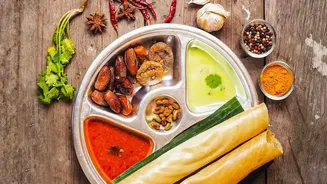
The heart of India's street food isn't just a recipe; it's the masterful, often theatrical, technique of the vendor. These skills are rarely learned in culinary schools but are passed down through generations, becoming a form of muscle memory. Think of the dosa
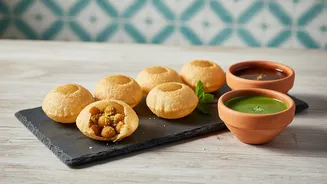
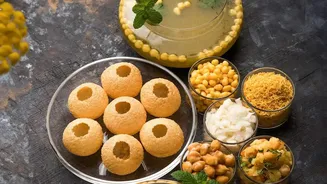
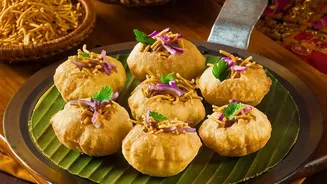
master, who with a flick of the wrist spreads batter into a perfectly thin, crisp circle on a sizzling tawa. Or the chaiwala pulling tea, repeatedly pouring it from a height to cool it down and create a frothy, aerated texture that enhances its flavour. Even the humble pani puri vendor possesses a precise, lightning-fast rhythm, cracking open a delicate puri, filling it with spiced potato and chickpeas, and dipping it into tangy water in one fluid motion. This is not just cooking; it's a performance of practiced expertise. Many vendors have perfected a single dish over decades, ensuring every plate served has the same consistent taste that locals have cherished for years. This dedication to a craft is what elevates a simple snack into a culinary treasure.
The Rhythm of Timing
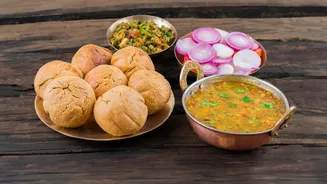
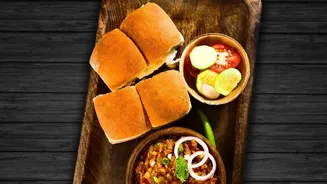
In India, street food follows the clock of life. What’s available is often dictated by the time of day, creating a culinary schedule that locals instinctively follow. Early mornings belong to steaming idlis, fluffy poha, and crispy kachoris, providing quick, nourishing fuel for the day ahead near railway stations and office complexes. These breakfast specialists often pack up by mid-morning, making way for the lunchtime rush. The evening brings a completely different menu and atmosphere. As offices empty and markets light up, the air fills with the aroma of snacks designed for socialising and unwinding. This is the primetime for chaat, spicy pav bhaji, and succulent kebabs. The long gap between a typical Indian lunch and a late dinner created a cultural space for the evening snack ritual, a time to gather with friends and family over a shared plate. This adherence to timing means the food is always fresh, made for the moment, and deeply integrated into the social fabric of the community.
The Power of Place
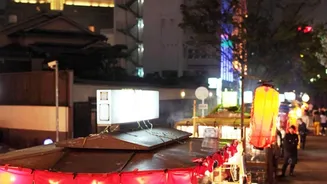
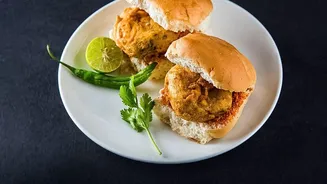
Why does a vada pav taste better on a bustling Mumbai street corner or a kathi roll in a narrow Kolkata lane? The answer lies in the power of place. A street food stall is more than just a point of sale; it's a community hub, a landmark, and a repository of local history. These stalls become anchors in a neighbourhood, creating micro-cultures where people from all walks of life—from CEOs to students—stand side-by-side, united by a shared love for a particular dish. The environment itself adds to the flavour: the ambient noise of the city, the clatter of utensils, and the energy of the crowd all contribute to the overall experience. Each city and region has its signature offerings that reflect its unique history and palate—chaat in Delhi, pav bhaji in Mumbai, and puchka in Kolkata are culinary identities. This connection to a specific location makes the food an authentic expression of that place's soul, something that cannot be replicated in a restaurant kitchen.