
A Revolution in the Sky
Declared by the United Nations in 1999, World Space Week annually commemorates two key dates in history: the launch of the first satellite, Sputnik 1, on October 4, 1957, and the signing of the Outer Space Treaty on October 10, 1967. The week serves to inspire
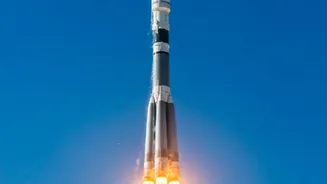
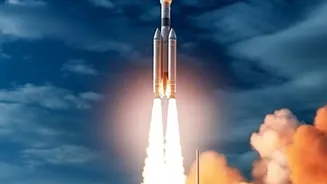
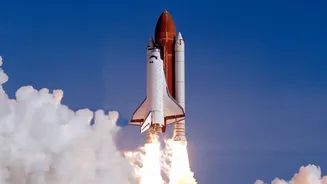
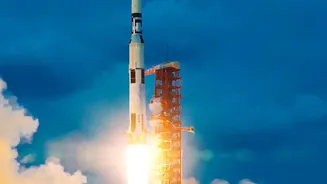
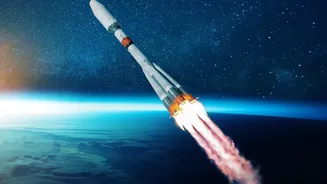
students, educate the public, and foster international cooperation. This year's focus on rockets isn't just about celebrating powerful hardware; it's a recognition that we are in a fundamentally new era of space exploration. For decades, space was the exclusive domain of a few government agencies with massive budgets, using expendable rockets that flew only once. That model is changing rapidly. A revolution, driven by commercial companies and technological breakthroughs, is making space more accessible than ever before.
The Power of Reusability
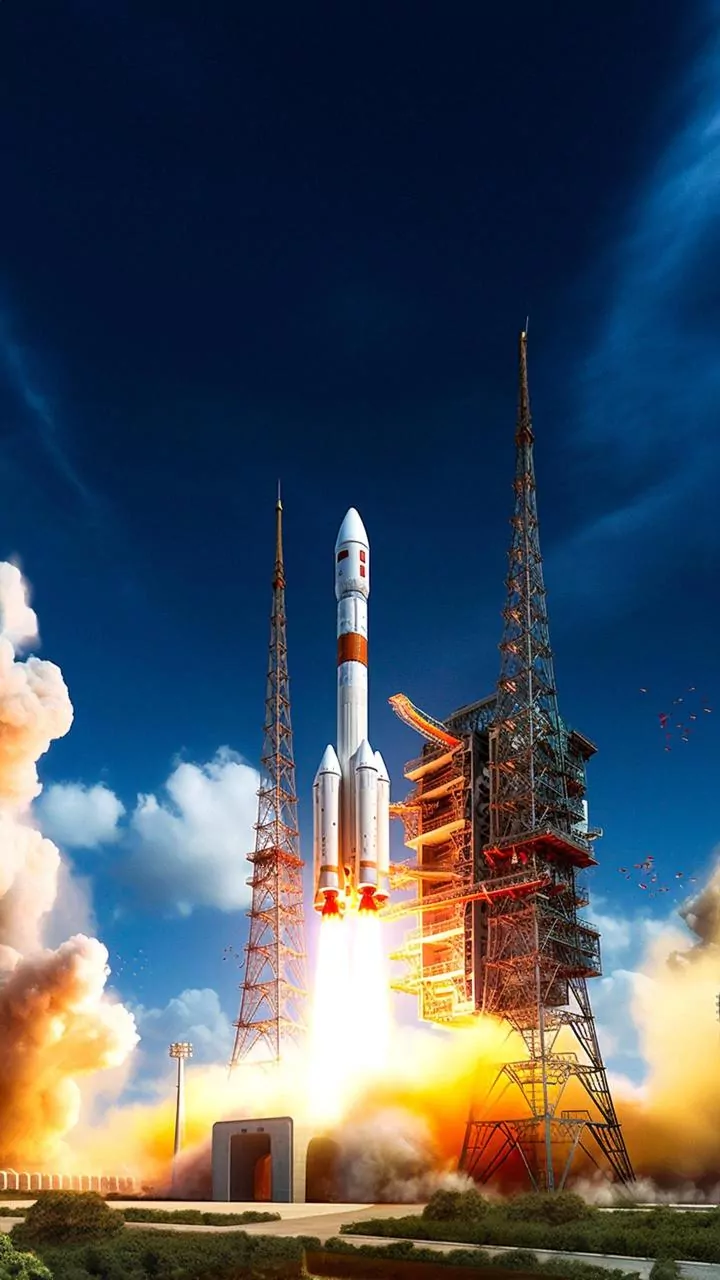
The core of the 'Rocket Revolution' is reusability. Companies like SpaceX and Blue Origin have pioneered rockets whose most expensive parts, the boosters, can return to Earth, land themselves, and be prepared for another flight. This has been a game-changer, dramatically lowering the cost of reaching orbit. Think of it like the difference between flying a commercial airliner once and then throwing it away, versus refueling it for the next journey. Before reusable systems, launching a payload was extraordinarily expensive. Now, with reduced costs and quicker turnarounds, a flurry of new activities is becoming possible. This shift is stimulating a vibrant new space ecosystem, enabling massive satellite constellations for global internet, advanced Earth observation, and ambitious scientific missions that were previously too costly to consider.
A New Space Race, But Different
This new era is often called a new space race, but its character is different from the Cold War rivalry. Today, the competition is as much commercial as it is national. Private companies are not just contractors; they are developing their own infrastructure and selling launch services on the open market. This has opened the door for more countries and companies to participate in the space economy. This shift is also creating a new dynamic between nations. While the US and China are leading in many respects, other nations are carving out significant roles. This explosion in activity also brings challenges, most notably the growing problem of space debris in Earth's orbit, which will require international cooperation to manage.
India's Ascent in the Cosmos
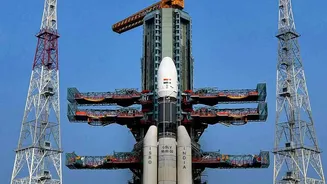
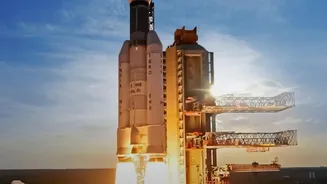
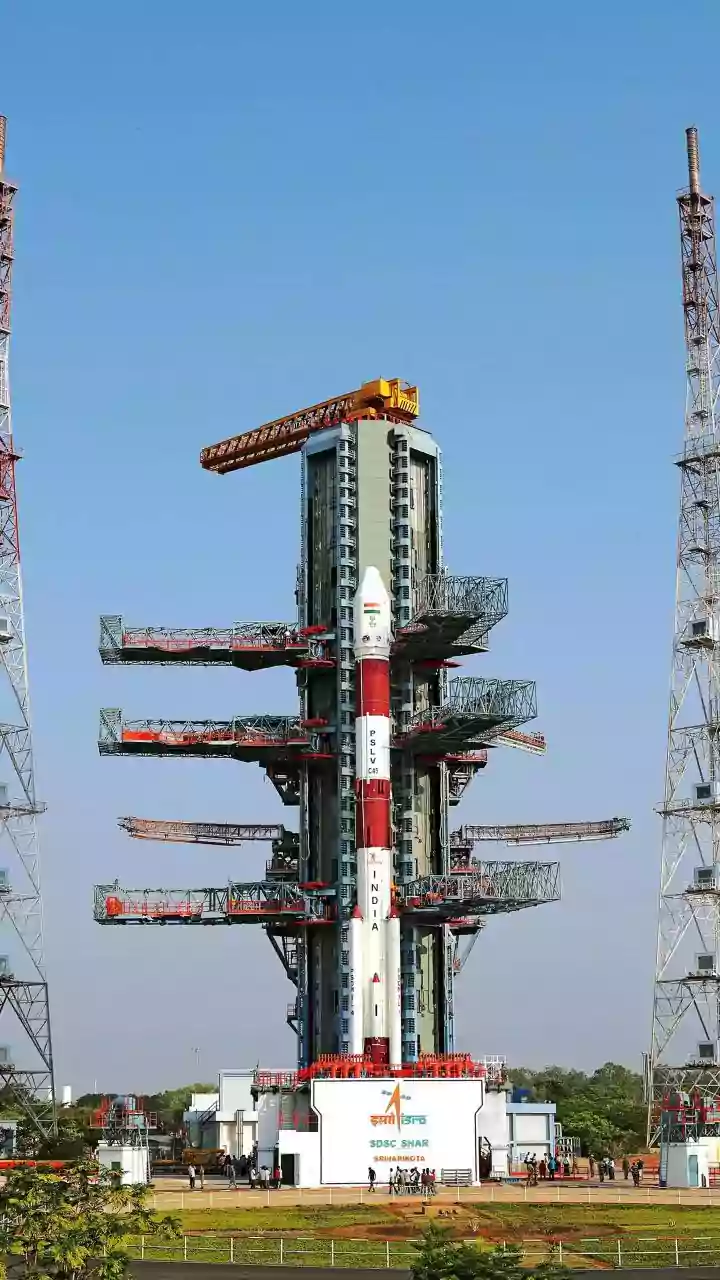
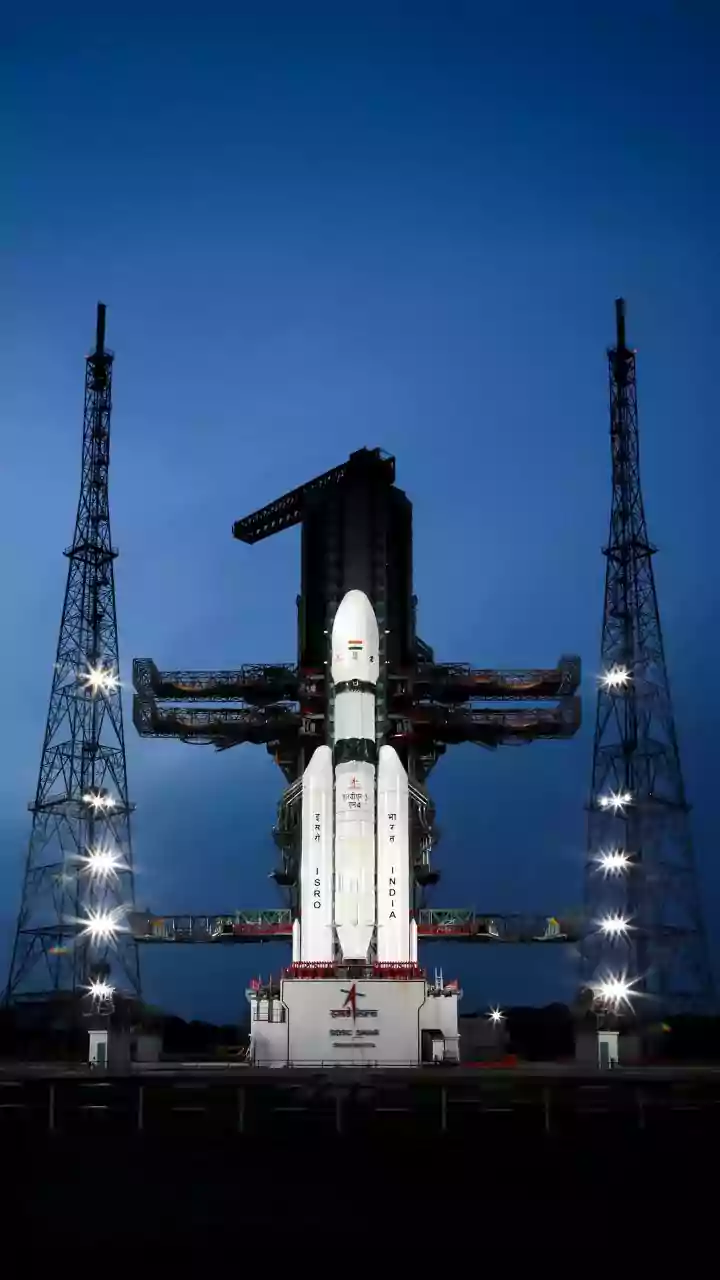
India, through the Indian Space Research Organisation (ISRO), is a major player in this new era. Having already demonstrated its advanced capabilities with missions like Chandrayaan-3 and Aditya-L1, India's space program is rapidly evolving. The year 2026 is pivotal, with the first uncrewed flights for the Gaganyaan human spaceflight programme scheduled to take place. Furthermore, India's space ecosystem is growing, with hundreds of startups and a surge in private investment. ISRO is also developing its own next-generation and reusable launch vehicles, positioning India to be a competitive provider of launch services in the booming global market. Ambitions are high, with plans for the Bharatiya Antariksh Station to be operational by 2035 and a crewed lunar landing by 2040.
The Future Takes Flight
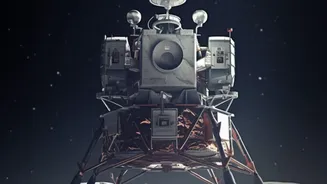
The 'Rocket Revolution' highlighted by World Space Week 2026 is about more than just getting to orbit cheaply. It’s the foundational technology that unlocks the next chapter of human activity in space. Cheaper, more frequent launches make ambitious projects like permanent moon bases, asteroid mining, and eventual missions to Mars more feasible. It fuels the growth of a space economy projected to be worth trillions of dollars, encompassing everything from in-space manufacturing to space tourism. As these powerful engines roar to life with increasing frequency, they are not just carrying satellites and astronauts; they are carrying the ambitions of a new generation ready to build a future beyond Earth.