






The Nationwide Protein Craze
India is in the midst of a protein boom. What was once a niche interest for bodybuilders has become a mainstream dietary focus for millions. Quick commerce platforms have seen a staggering 150% surge in protein-related orders over the last two years,
with everything from fortified atta and dosa batter to protein yogurts and snacks flying off virtual shelves. This trend isn't just confined to metros like Bengaluru; demand in tier-2 cities such as Nagpur, Jaipur, and Guwahati is growing even faster. The driving force is a collective shift towards healthier, more intentional eating habits. Consumers are increasingly aware of protein's role in muscle support, satiety, and overall wellness, moving it from a 'supplement' to a daily 'essential'.
The High Cost of Hitting Protein Goals
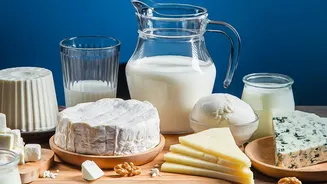
While the desire for protein is high, so is the price tag on many popular sources. Whey protein, a staple for many fitness enthusiasts, has seen unprecedented price hikes. The cost of raw whey concentrate has quadrupled in some cases, jumping from around ₹700 per kg in 2023-24 to as high as ₹2,700 more recently. This has forced brands to increase retail prices by 10-40%, pushing a standard tub of whey powder from about ₹2,000 to over ₹3,500. Even traditional animal proteins like boneless chicken and paneer can be costly, with prices per gram of protein significantly higher than plant-based staples. For instance, chicken costs roughly ₹1.1 to ₹1.5 per gram of protein, while paneer is even higher at ₹1.7 to ₹2.2 per gram.
Why Are Prices Soaring?
The price pressure on protein is not a simple issue. For whey protein, a major factor is India's reliance on imports. Despite being the world's largest milk producer, India imports 80-90% of its supplement-grade whey because the domestic dairy industry is structured around liquid milk and paneer, not the large-scale cheese manufacturing that produces whey as a byproduct. This dependency makes the market vulnerable to global supply crunches, geopolitical disruptions affecting shipping, and a weakening rupee, all of which add to the final cost. These factors have also driven up packaging and logistics costs for all types of protein products, including plant-based alternatives.
The Plant-Based Paradox
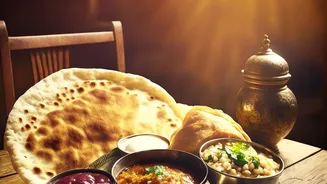
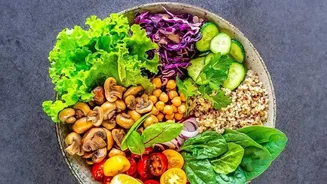
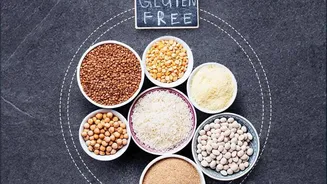
Many consumers look to plant-based options as a more affordable solution, and in many cases, they are. Traditional Indian staples like dals and soya chunks offer incredible value. Soya chunks, for example, are often hailed as the undisputed budget champion, delivering protein at a cost of just ₹0.2 to ₹0.3 per gram. Moong and chana dal also provide protein for a fraction of the cost of animal sources. However, the newer, trendier plant-based protein products—like isolates used in supplements and meat analogues—face their own price challenges. These products can retail at a 20-40% premium over conventional animal proteins, limiting their adoption to more affluent urban consumers. A significant portion of these plant protein ingredients are also imported, creating a similar dependency issue to whey.
Bridging the Affordability Gap
As premium protein products become a heavier financial lift, consumers are caught in a bind. Some absorb the cost, while others trade down to cheaper, sometimes lower-quality products. However, the market is also showing a renewed appreciation for cost-effective, traditional protein sources. Roasted chana, peanuts, and various dals are being rediscovered as budget-friendly powerhouses. The key for many is to focus on the cost per gram of protein rather than the price per kilogram of the food item. This metric reveals that a balanced, high-protein diet is achievable without relying solely on expensive supplements. A diet incorporating a mix of eggs, dals, soya, and peanuts can meet daily protein needs affordably. The industry is also innovating, exploring smaller pack sizes and fortified staples to make protein more accessible to all.