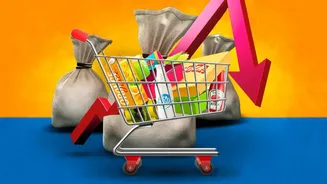






Smarter Farming, Lower Costs?
The journey of your food to your plate begins on the farm, and it's here that AI is already making a significant impact. Farmers are increasingly using AI-powered tools for 'precision agriculture'. Drones equipped with computer vision can monitor crop
health, identify diseases early, and spot weeds with incredible accuracy. This allows for the targeted application of fertilizer and pesticides, reducing waste and input costs. AI algorithms can also analyze data from soil sensors and satellites to optimize irrigation and predict yields. In theory, these efficiencies should lead to lower production costs. If farmers can grow more food with fewer resources, it stands to reason that the savings could eventually be passed on to consumers. However, the initial investment in this technology is substantial, creating a high cost barrier for smaller farms.
Optimizing the Supply Chain
Once produce leaves the farm, it enters a complex supply chain where AI is revolutionizing logistics. AI excels at analyzing vast datasets to forecast demand with greater accuracy. This helps prevent both overstocking, which leads to food waste, and understocking, which results in empty shelves and missed sales. AI-driven logistics platforms can optimize delivery routes in real time, considering factors like traffic and fuel costs to ensure goods move from warehouses to stores as efficiently as possible. Some major retailers have already used AI inventory tools to cut food waste by as much as 25%. By reducing spoilage and transportation expenses, AI can trim significant costs from the middle stages of the food journey.
The Rise of Dynamic Pricing
Perhaps the most direct way AI is affecting your bill is at the shelf itself. Many large retailers like Kroger and Walmart are rolling out electronic shelf labels. These digital tags allow stores to change prices in seconds, a process that used to take days of manual labor. This technology enables 'dynamic pricing', where prices can be adjusted frequently based on demand, competition, or the time of day. On one hand, this could mean deeper discounts on items nearing their expiration date, helping you save money and reducing waste. On the other hand, it could lead to price hikes on popular items during peak shopping hours, similar to surge pricing for ride-hailing services.
Personalized Prices and Hidden Risks
The next frontier is personalized pricing, where the price you pay could be different from what the person next to you pays for the exact same item. AI can analyze your individual purchase history, browsing habits, and other data to determine the maximum price you might be willing to pay. While companies often frame this as offering 'personalized discounts', consumer advocates worry it erodes transparency and fairness, making it much harder to compare prices and know if you're getting a good deal. There are also hidden costs to implementing AI. The technology itself is expensive, with ongoing fees for data storage and processing that grow with every customer interaction. Furthermore, a recent report found that roughly one in every four dollars spent on AI goes to waste due to mismanagement and lack of oversight.