




The Incumbent's Advantage
Until now, the story of India's electric car market has largely been the story of Tata Motors. Leveraging a first-mover advantage, Tata has successfully captured the imagination of the Indian consumer with a portfolio that includes the popular Nexon EV
and the accessible Punch and Tiago EVs. In the first quarter of fiscal year 2027, Tata Motors held a commanding 39% market share, with registrations more than doubling year-on-year. This dominance was built on a strategy of offering electric options across different price points, effectively creating the market and establishing a strong brand identity in the EV space. With over 12,000 EVs sold in June 2026 alone, Tata has set a high benchmark for any new competitors. They are followed by Mahindra & Mahindra and JSW MG Motor, who together with Tata, account for over 80% of all EV sales.
The Giant Awakens: Maruti's Calculated Entry
Maruti Suzuki, India's largest carmaker by a significant margin in the conventional petrol and CNG market, has been conspicuously cautious about entering the EV race. However, that is changing with the commercial debut of its first electric model, the 'e Vitara'. This is the production version of the widely showcased eVX concept SUV. Having sold nearly 5,000 units in its first full quarter, Maruti has instantly made its presence felt, capturing a 5.4% market share in May 2026. Maruti's strategy appears to be a long game, focusing on deep localisation of batteries and motors at its Gujarat plant to ensure competitive pricing. The company isn't just launching a car; it's building an ecosystem, with plans for a widespread charging network to address one of the key barriers to EV adoption. By leveraging its unparalleled service network and brand trust, Maruti aims to convert its massive base of loyal customers to electric.
The Newcomer's Gambit: VinFast's Aggressive Push
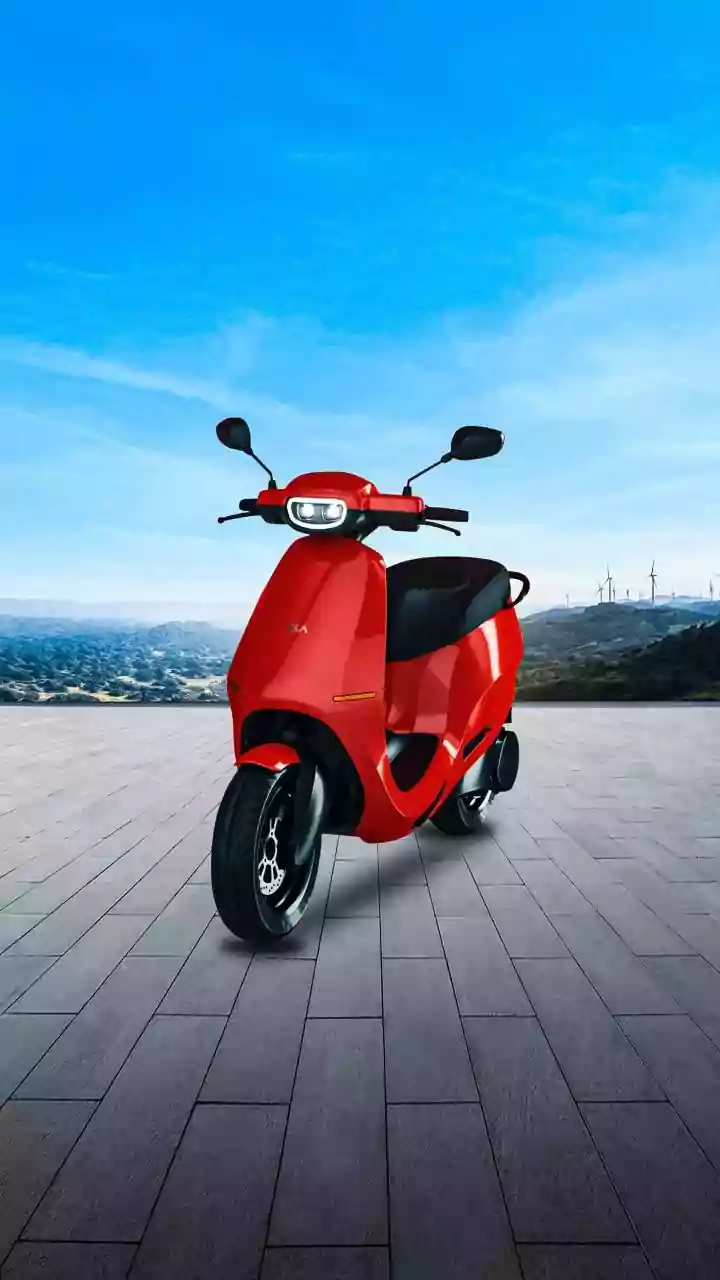
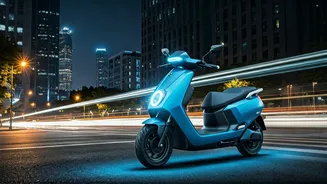
While Maruti represents the established order, VinFast is the wildcard. The Vietnamese automaker has entered India with remarkable speed and ambition. In its first full quarter, VinFast recorded nearly 4,000 registrations, quickly securing its position as the fourth-largest EV carmaker in India for May 2026. The company is not just importing cars; it has broken ground on a manufacturing facility in Tamil Nadu with an initial investment of $500 million, aiming for a capacity of 150,000 vehicles per year. VinFast's strategy appears to be one of portfolio diversity. It has already launched SUVs like the VF 6 and VF 7, and has patented designs for a range of other vehicles, including the compact VF 3 mini-SUV and even an electric scooter. This suggests an intent to compete across multiple segments, from affordable city commuters to larger family vehicles.
What the Competition Means for You
For the Indian car buyer, this escalating competition is unequivocally good news. The entry of serious players like Maruti Suzuki and VinFast will shatter the market's status quo. The most immediate impact will be a greater variety of choices. From Maruti's mid-size SUV to VinFast's planned micro-SUV, the range of available models is set to explode, catering to different needs and budgets. This increased competition is also likely to put downward pressure on prices. As manufacturers fight for market share, expect more competitive pricing, better feature-packed offerings, and innovative ownership models. Furthermore, the race will accelerate the development of critical infrastructure. As more EVs hit the road, the push for a more robust and accessible charging network will intensify, making the switch to electric a more practical proposition for a wider audience across the country.