



A Once-in-a-Generation Spectacle
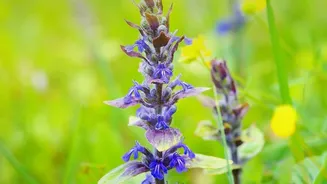
The Neelakurinji, or Strobilanthes kunthiana, is a shrub endemic to the high-altitude shola grasslands of the Western Ghats. Its fame comes from a unique survival mechanism known as gregarious flowering. Instead of blooming annually, these plants follow
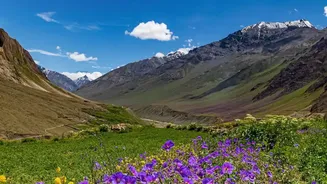
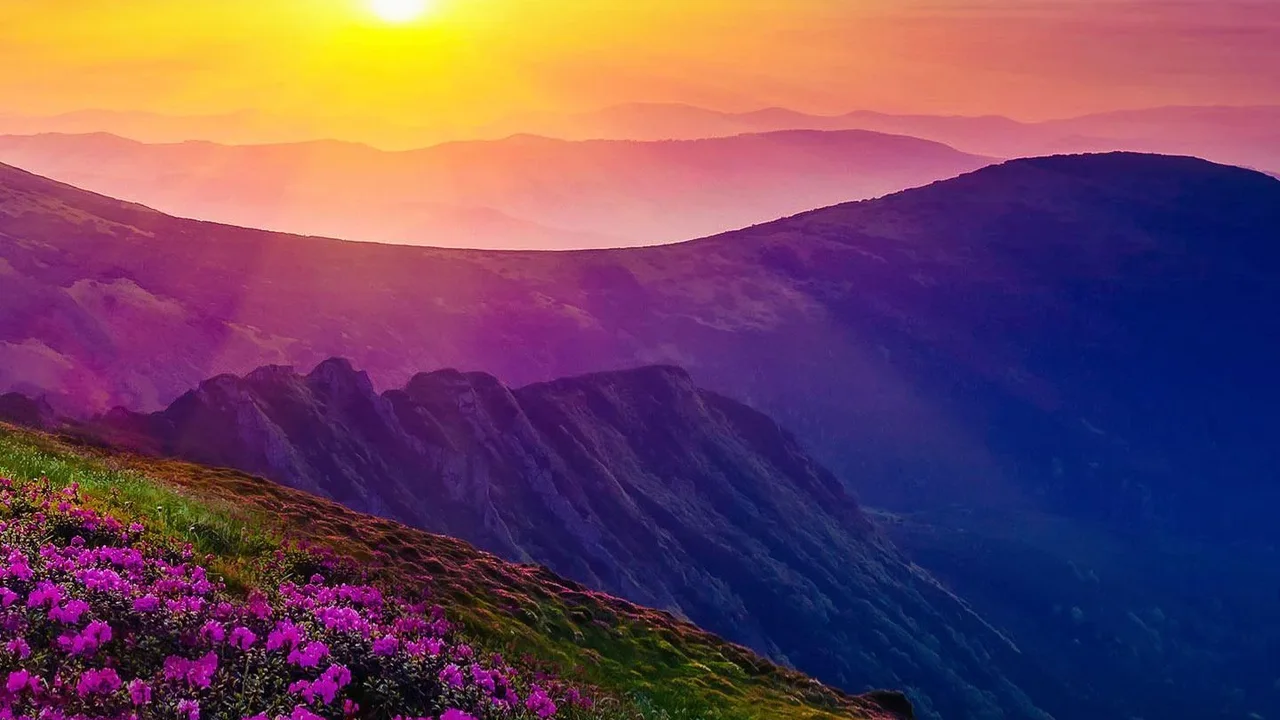
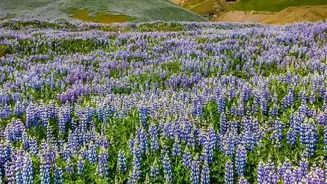
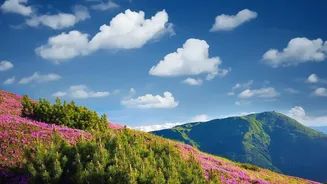
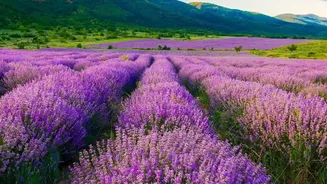
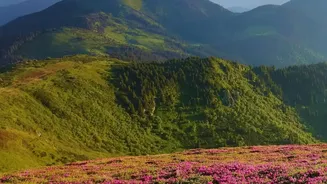
a synchronized 12-year cycle. After lying dormant for over a decade, millions of plants burst into flower together, create seeds for the next generation, and then die. This mass flowering, or 'masting', transforms entire mountainsides into a surreal carpet of blue and purple. The very name of the Nilgiri Hills, or 'Blue Mountains', is believed to have been inspired by this phenomenal sight. While the last major bloom in the famed Eravikulam National Park was in 2018, different populations of the flower follow their own clocks. The bloom expected in 2026 is from a different cluster of plants that last flowered in 2014, making this year a significant one for witnessing the magic.
The Ecological Powerhouse
The Neelakurinji bloom is far more than just a visual marvel; it is a critical ecological event. The sudden explosion of nectar-rich flowers provides a super-feast for pollinators. Hordes of bees, butterflies, and other insects are drawn to the slopes, playing a vital role in the wider ecosystem. This mass pollination leads to the production of 'Kurinjithen', a rare and highly valued honey known for its unique properties. The flowering also supports other forms of wildlife, including the endangered Nilgiri Tahr, which finds sustenance in the shola grasslands where the flower thrives. As an indicator species, the health and regularity of the Neelakurinji bloom serve as a barometer for the health of the delicate shola ecosystem itself.
A Lifeline for Local Economies
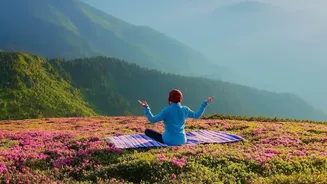
When the hills turn blue, tourism in Kerala, particularly in the Idukki district, experiences a massive surge. The 2006 bloom was estimated to have attracted nearly one million visitors to Munnar. This influx provides a significant economic boost to local communities, supporting hotels, restaurants, tour guides, and small businesses. The 2026 bloom is once again expected to draw nature lovers, photographers, and travellers from across India and the globe. Authorities often make special arrangements, such as additional bus services and regulated visitor slots, to manage the rush and ensure a smooth experience while minimising the impact on the fragile environment. It's a season of celebration and prosperity, all driven by a flower that reveals its beauty only once every dozen years.
Cultural Roots and Ancient Calendars
The significance of Neelakurinji is deeply woven into the cultural fabric of the region. The flower holds a special place in ancient Tamil Sangam literature, where it is often used as a symbol of love and longing. For the indigenous Paliyan and Muthuvan tribal communities of the Western Ghats, the bloom is a natural calendar. Historically, they have used the 12-year cycle of the flower to calculate their age and mark significant life events. This deep-rooted connection highlights the symbiotic relationship between the people and the landscape, where the rhythm of nature dictates the passage of human life.
A Call for Conservation
Despite its resilience, the future of the Neelakurinji is under threat. The species is listed as Vulnerable on the IUCN Red List due to significant habitat loss. The shola grasslands it depends on are shrinking due to the expansion of tea plantations, unchecked construction, and the spread of invasive plant species like eucalyptus. Climate change also poses a risk, as shifts in temperature and rainfall patterns can disrupt the flower's precise blooming cycle. To protect this natural heritage, conservation efforts are crucial. The Kurinjimala Sanctuary in Idukki was established specifically to preserve the plant's core habitat, and uprooting or damaging the flower is a punishable offence under the Wildlife (Protection) Act. Responsible tourism during the bloom is essential to ensure future generations can also witness this natural wonder.