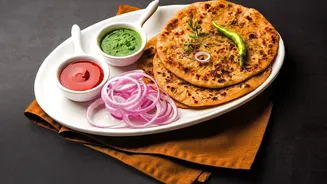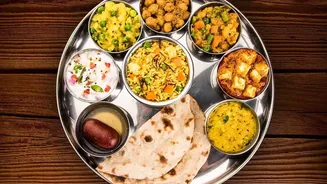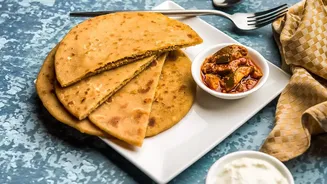




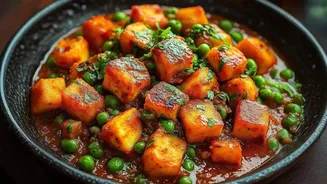
Tired of dry, tough parathas? This Vegetable Paneer Reshmi Paratha is the answer. The name 'reshmi' means silky, and this recipe delivers a tender, melt-in-your-mouth flatbread perfect for a satisfying breakfast or a wholesome lunch.
The Secret to 'Reshmi' Softness
The key to achieving
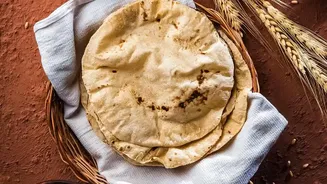
that signature 'reshmi' or silky texture lies in the dough. Unlike standard paratha or roti dough, this version is enriched to make it exceptionally soft and pliable. The magic ingredient is often milk, yogurt, or even a bit of cream (malai) used in place of some of the water. This addition of dairy fat tenderizes the gluten in the whole wheat flour, resulting in a paratha that stays soft long after it has been cooked. Another crucial element is 'moyan', or the fat (ghee or oil) added to the flour before kneading, which helps create a flakier, more tender crumb. Combined, these elements ensure your paratha is anything but chewy.
Crafting the Perfect Dough
To start, you will need approximately two cups of whole wheat flour (atta), half a teaspoon of salt, and one tablespoon of ghee or oil. In a large mixing bowl, combine the flour and salt. Add the ghee and rub it into the flour with your fingertips until it resembles coarse breadcrumbs. Now, instead of using only water, begin by adding half a cup of milk or a quarter cup of plain yogurt. Gradually add warm water as needed, kneading continuously for about 7-10 minutes. You are aiming for a dough that is smooth, soft, and elastic, but not sticky to the touch. Once kneaded, cover the dough with a damp cloth and let it rest for a minimum of 30 minutes. This resting period is non-negotiable; it allows the gluten to relax, which makes the parathas much easier to roll without tearing.
A Rich and Flavourful Filling
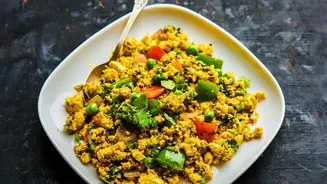
While the dough rests, prepare the vibrant vegetable and paneer filling. For this, you will need about 200 grams of fresh paneer, grated. For the vegetables, finely chop or grate a mix of your favourites—carrots, capsicum, and cabbage work particularly well. A medium-sized onion, finely chopped, adds a lovely sweetness. To prepare, heat a teaspoon of oil in a pan and sauté the onions until translucent. Add the rest of the vegetables and cook for a few minutes until they soften slightly. It's important not to have a wet filling, as excess moisture will cause the paratha to break. Turn off the heat and add the grated paneer. Season with spices like half a teaspoon each of turmeric powder, red chilli powder, cumin powder, and garam masala. Add salt to taste and finish with a generous amount of finely chopped coriander leaves. Mix everything well and allow the filling to cool completely before using.
Assembling and Rolling with Care
Once the dough has rested and the filling is cool, it's time to assemble your parathas. Knead the dough lightly once more and divide it into equal-sized balls. Take one ball and flatten it slightly. Using a rolling pin, roll it out into a small circle of about 4 inches in diameter. Place a generous spoonful of the paneer and vegetable mixture in the center. Avoid overfilling, as this is the most common reason for parathas tearing. Gently bring the edges of the dough together, pleating as you go, to completely encase the filling. Pinch the top to seal it tightly and flatten the stuffed ball gently with your palm. Lightly dust the ball with dry flour and begin rolling it out carefully. Use light, even pressure, rolling from the center outwards to create a paratha that is about 6-7 inches in diameter.
Cooking to Golden-Brown Perfection
Heat a tawa or a flat-bottomed skillet over medium heat. Once hot, place a rolled paratha on it. Let it cook for about 45-60 seconds, or until you see small bubbles appearing on the surface. Flip it over and cook the other side for another minute. Now, drizzle about half a teaspoon of ghee or oil on the top surface and flip it again. Using a spatula, press down gently on the edges of the paratha to help it puff up and cook evenly. Apply ghee to the other side as well and continue to cook, flipping every 30 seconds, until both sides are beautifully golden-brown with some darker crispy spots. Each paratha should take about 3-4 minutes to cook completely. The combination of a well-rested, soft dough and proper cooking technique will yield a paratha that is crispy on the outside but wonderfully soft within.