






Two Scientists and a Bold Idea
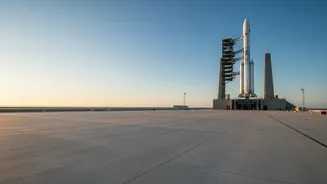
In 2018, Pawan Kumar Chandana and Naga Bharath Daka, two former scientists from the Indian Space Research Organisation (ISRO), had a vision that many considered impossible: to build India's first private company capable of launching rockets into orbit.
They saw a future where space was accessible, and they quit their stable government jobs to found Skyroot Aerospace in Hyderabad. The only problem was that building rockets requires immense capital, and the regulatory environment for private space ventures in India was still uncertain. Institutional investors were hesitant, preferring the quicker, more predictable returns of consumer internet businesses.
The LinkedIn Message Heard 'Round the World'
Facing skepticism from traditional investors, the founders decided to take an unconventional route. Pawan Kumar Chandana sent a direct message on LinkedIn to Mukesh Bansal, the celebrated founder of Myntra and Cult.fit. It was a shot in the dark. At the time, there was no official policy for private space launches, and Skyroot had no proof it could build an orbital rocket. Yet, something in the pitch resonated with Bansal, an entrepreneur known for backing disruptive ideas. He responded, and a meeting was set for that very weekend.
The First Cheque is Belief
Mukesh Bansal became Skyroot's first and, for a time, only angel investor. He wrote a cheque for ₹10 crore, a figure confirmed by the founders. This initial investment, which some reports place as part of a larger ₹12 crore commitment over time, was made nearly two years before venture capital firms began to take notice. Bansal invested before the Indian government officially opened the space sector to private players in 2020, a move that would later prove to be a major turning point for the company. As co-founder Pawan Chandana later wrote, "The first cheque is never just capital. It is belief."
From Seed Funding to Soaring Valuations
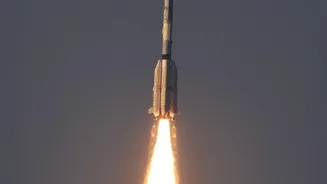
Bansal's initial faith was not just a one-time event; he continued to invest in subsequent rounds. When the COVID-19 pandemic hit and funding became tight, he provided an additional ₹2 crore to ensure the team could stay together. This early support was critical. It allowed Skyroot to develop its technology, and after the space sector was liberalized, institutional funding followed. The company went on to launch India's first privately built rocket, Vikram-S, in 2022 and achieved its first orbital launch with Vikram-1 in July 2026. By May 2026, Skyroot had become India's first spacetech unicorn, valued at over $1 billion.
A Modern Lesson in Fundraising
The story of Skyroot's first funding round is more than just a lucky break; it’s a powerful lesson for entrepreneurs. It highlights the importance of a clear and ambitious vision, the courage to approach potential backers through unconventional channels, and the value of finding an investor who understands the risk and shares the belief. Mukesh Bansal, an entrepreneur himself, saw the passion and potential in two scientists that others overlooked. His initial investment, which has since delivered returns of nearly 60 times its original value, didn't just fund a company; it helped launch an entirely new private space industry in India.