




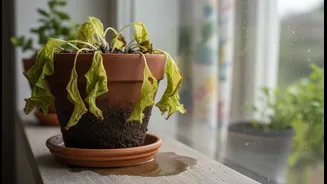


Understanding Root Rot
Root rot is a disease that causes a plant's roots to decay. While overwatering is the most common trigger, the true culprits are often fungal pathogens like Pythium and Phytophthora that thrive in waterlogged soil. When soil stays saturated for too long,
it loses the air pockets roots need to breathe. This lack of oxygen suffocates the roots, making them weak and vulnerable to attack. Once the decay begins, the root system can no longer effectively absorb water and nutrients, leading to a decline in the plant's overall health.
Signs Above the Soil
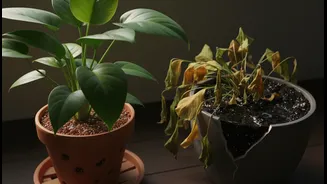
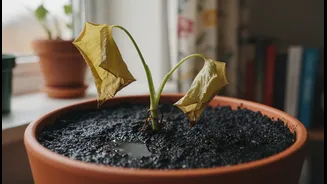
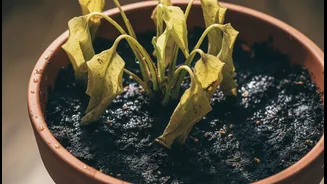
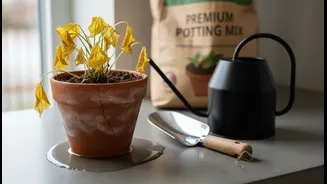
Often, the first clues of root rot appear on the leaves and stems. One of the most common signs is the yellowing of leaves, particularly the lower ones. Another confusing symptom is wilting. A plant with root rot may look thirsty and droopy even when the soil is moist. This happens because the damaged roots are unable to transport water to the rest of the plant. You might also notice stunted or slowed growth, as the plant isn't getting the nutrients it needs to thrive. In some cases, stems may feel soft or mushy near the soil line.
Checking the Roots and Soil
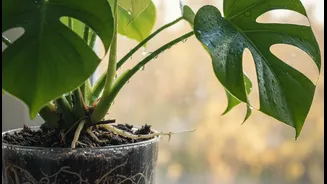
To confirm your suspicions, you'll need to get your hands dirty. Gently remove the plant from its pot for a direct inspection. Healthy roots are typically firm and white or light tan in color. Roots suffering from rot will be brown or black, feel soft and mushy, and may even fall apart when you touch them. The soil itself can also offer clues. A distinct sour or musty smell is a strong indicator of decomposition happening below the surface. If the soil is consistently soggy and fails to dry out between waterings, the environment is ripe for root rot.
An Action Plan to Save Your Plant
If you've confirmed root rot, quick action is crucial. Start by carefully trimming away all the affected roots using a clean, sterilized pair of scissors or shears. Be thorough; any remaining rotten tissue can allow the disease to spread. Some gardeners recommend rinsing the remaining healthy roots or treating them with a diluted hydrogen peroxide solution to kill lingering pathogens. Next, discard all of the old potting soil, as it may contain harmful spores. Thoroughly clean and disinfect the pot before repotting. If the root system is significantly smaller after trimming, consider moving the plant to a smaller pot to prevent excess soil from retaining too much moisture. Repot the plant in fresh, well-draining potting mix.
Prevention Is the Best Medicine
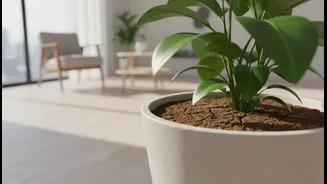
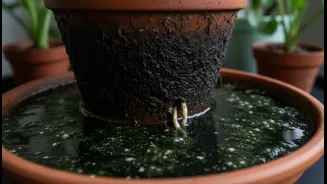
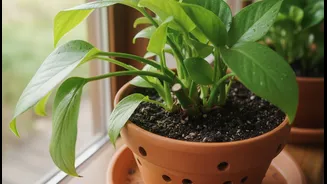
Preventing root rot is far easier than treating it. The most important step is to avoid overwatering. Instead of watering on a strict schedule, always check the soil first. A good rule of thumb is to stick your finger about an inch or two into the soil; if it feels dry, it's time to water. Ensure your pot has adequate drainage holes to allow excess water to escape. Using the right soil is also critical. A well-draining mix, often containing ingredients like perlite, orchid bark, or coarse sand, promotes air circulation around the roots. Finally, never let a plant sit in a saucer full of water for an extended period. Empty any collected water within about 30 minutes.