



Start Your Day With Awareness
Before you even step outside, make it a habit to check the daily Air Quality Index (AQI). Numerous apps and websites provide real-time data for your specific locality. This number should guide your decisions for the day. On days when the AQI is 'Poor'
or 'Severe', it’s crucial to limit your time outdoors. The most dangerous hours for pollution are typically in the early morning and late evening, so planning your commute or errands outside these windows can reduce exposure. If possible, ventilate your home for a short period during the early afternoon, when pollution levels are generally at their lowest for the day, before closing up again.
Mask Up The Right Way
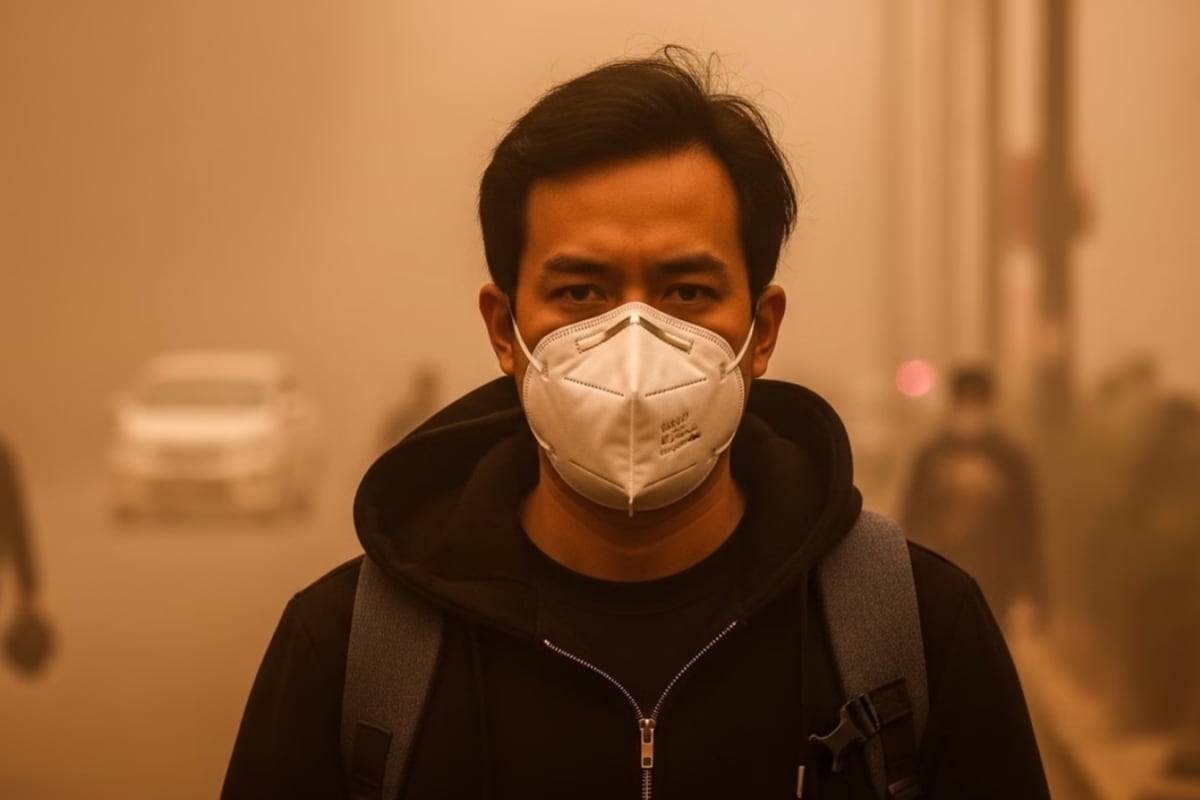
Your first line of defence when you go outside is a good mask. Simple cloth masks or surgical masks are not effective against the fine particulate matter (PM2.5) that poses the biggest health risk. Invest in a well-fitting N95 or N99 mask, which can filter out the vast majority of these harmful particles. Ensure the mask creates a snug seal around your nose and mouth, as any gaps will render it ineffective. For those who are outdoors frequently, reusable masks with changeable filters are a good investment, but remember to replace the filters regularly.
Create A Clean Air Haven at Home
Since you’ll be spending more time indoors, improving your home's air quality is essential. Indoor air can sometimes be even more polluted than the air outside. Investing in a good air purifier with a HEPA filter for your bedroom and other frequently used rooms is one of the most effective steps you can take. Also, seal any gaps in windows and doors to prevent polluted outdoor air from seeping in. While indoor plants like snake plants and aloe vera can help, they aren't a substitute for a purifier when it comes to PM2.5. Finally, avoid adding to indoor pollution by not burning incense or using aerosol sprays.
Fortify Your Body From Within
What you eat can play a significant role in helping your body combat the inflammatory effects of pollution. Focus on a diet rich in antioxidants. Vitamins C and E are particularly beneficial for lung health and reducing inflammation. Incorporate seasonal foods like amla, guava, oranges, and lemons for a vitamin C boost. Foods rich in omega-3 fatty acids, such as flaxseed and avocados, can also help reduce inflammation. Turmeric, with its active compound curcumin, is another powerful anti-inflammatory to add to your meals. Staying well-hydrated by drinking plenty of water helps your system flush out toxins.
Rethink Your Exercise Routine
Regular exercise is vital for health, but during pollution season, your routine needs a strategic shift. Avoid strenuous outdoor activities like running or jogging, especially during peak pollution hours in the morning and evening. When you exercise, you breathe more deeply and rapidly, increasing your intake of pollutants. On days with high AQI, the safest option is to move your workout indoors. There are countless home workout videos, yoga sessions, and other indoor activities that can keep you active without compromising your respiratory health. If you must exercise outdoors, aim for the early afternoon when air quality is comparatively better.
Wind Down for a Cleaner Night
Your evening routine can help mitigate the day's exposure and prepare you for a healthier night's sleep. Taking a steam inhalation, perhaps with a few drops of eucalyptus oil, can help soothe your airways and clear congestion. Ensure your air purifier is running in your bedroom, as this can significantly reduce your exposure to pollutants while you sleep. Make it a habit to clean your home's surfaces with a damp cloth to pick up settled particulate matter. This simple clean-up prevents dust and pollutants from becoming airborne again. By ending the day with these steps, you create a cleaner, healthier environment for your body to rest and recover.