




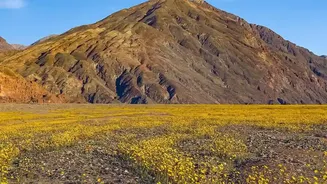
A Splash of Colour in the Cold Desert
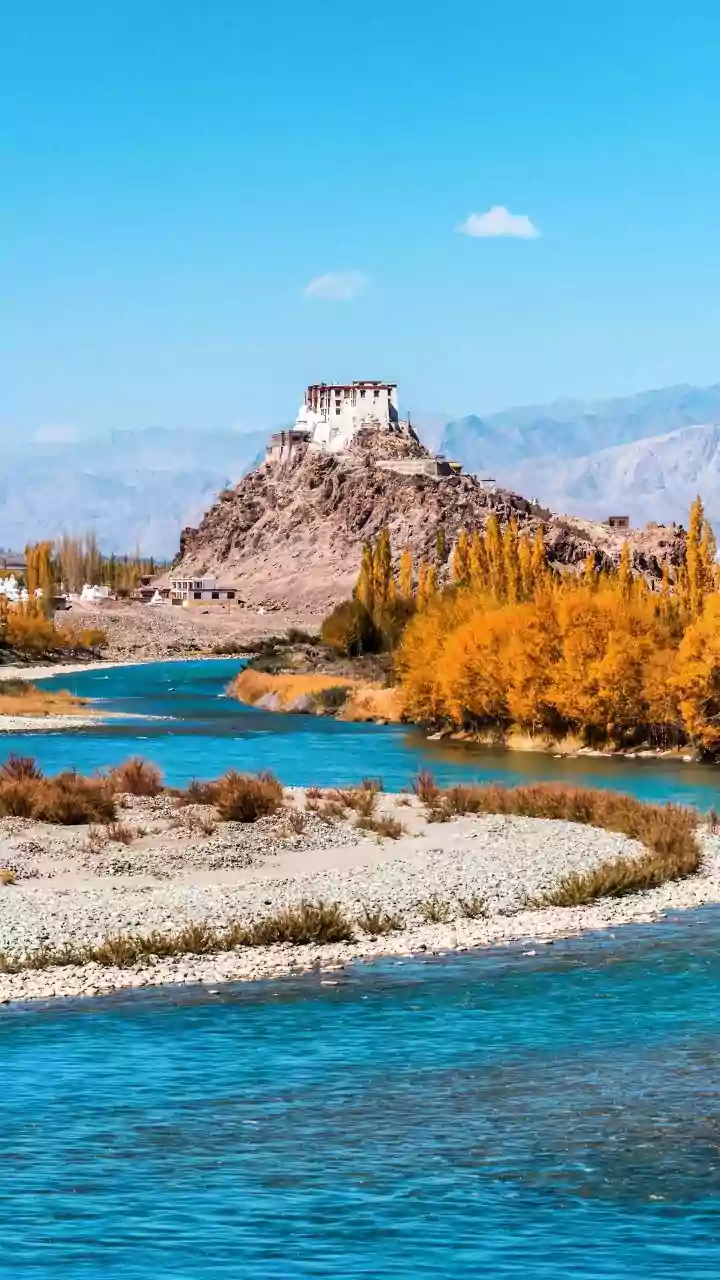
In a first-of-its-kind initiative for India, Ladakh has unveiled the world's highest-altitude twin flower fields. Located near Leh at Choglamsar and Stakna, these gardens are situated at a breathtaking 10,600 feet above sea level. Sprawling across 40
acres, the fields have introduced a dazzling display of over 2.5 million flowers, primarily liliums and gladioli, creating a stunning contrast against the rugged terrain. The project, inaugurated in September 2026 by Ladakh's Lieutenant Governor Vinai Kumar Saxena, aims to diversify the region's attractions beyond its famous monasteries and lakes. The Choglamsar field was developed in just two months, with the first flowers blooming in early September, while the Stakna field is expected to be in full bloom by the end of October.
More Than Just Pretty Flowers
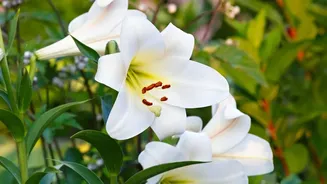
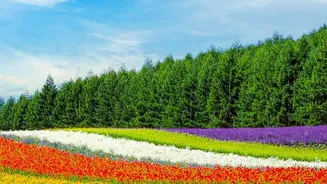
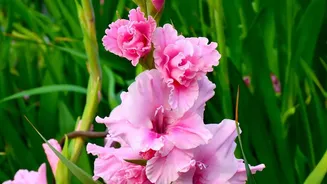
This project is about more than just aesthetics; it's a strategic move into high-altitude floriculture. The gardens feature around 2.4 million lilium plants and 100,000 gladiolus plants in vibrant shades of yellow, white, orange, and red. These high-value flowers were chosen for their strong demand in national and international markets. The unique climatic conditions of Ladakh, with its cool nights and bright sunny days, are surprisingly beneficial. High altitudes can lead to slower maturation, which helps flowers develop stronger stems and more vibrant colours, qualities that are prized commercially. This initiative serves as a large-scale experiment to demonstrate that commercial floriculture can be a viable and profitable alternative for farmers in a region with limited conventional farming options.
Sowing the Seeds of New Tourism
The twin gardens are a deliberate effort to enhance Ladakh's tourism portfolio. Opened to the public on September 18, 2026, with a modest entry fee, the sites offer a new, colourful experience for visitors. Officials believe these picturesque fields will not only attract tourists but also become sought-after locations for film and commercial shoots, adding another revenue stream. This initiative aligns with a broader strategy to develop sustainable and responsible tourism in Ladakh, moving beyond seasonal dependency and creating year-round attractions. By creating man-made wonders that complement the natural beauty, the administration hopes to offer diversified itineraries and encourage longer stays, boosting the local hospitality sector.
Empowering the Local Community
At its core, this floriculture project is a livelihood-generation program. The plan involves training local farmers, youth, and women in the scientific cultivation, harvesting, and post-harvest management of these flowers. While the Agriculture Department is managing the initial phase, the fields will eventually be handed over to local Self-Help Groups (SHGs) and cooperatives for commercial utilisation. This model aims to create a sustainable source of income and foster rural entrepreneurship. Already, the project has created local employment, with women engaged in sorting and packaging flowers and trained youth handling marketing. Recently, the first commercial air consignment of 15,000 A-grade liliums was flagged off from Leh airport, marking Ladakh's official entry into the national floriculture market.