




The Man on a Mission
Tukaram Mundhe, an IAS officer with a formidable reputation for his uncompromising approach, is the name currently on the lips of every Mumbai restaurateur and foodie. Since taking charge as Maharashtra's Food and Safety Commissioner in May 2026, he has
unleashed an unprecedented crackdown on food safety violations. Known for his frequent transfers due to a history of taking on powerful interests, Mundhe has brought his signature disruptive style to the Food and Drug Administration (FDA), turning his focus from municipal issues to public health with an intensity that has captivated and unnerved the city in equal measure. His mission is simple and clear: to make 'Safe Food, Safe Maharashtra' a reality, not just a slogan.
Lifting the Lid on Kitchens
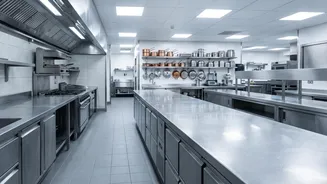
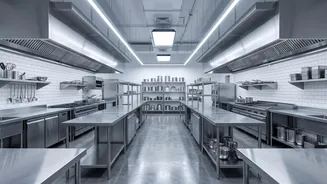
The FDA's recent blitz has uncovered a stomach-churning list of violations across the board, from street-side stalls to high-end establishments and international fast-food chains. Inspections have revealed grim realities: live cockroaches, rats, expired ingredients, spoiled food, and vegetables being chopped near filthy toilets. At some restaurants, including those at the prestigious Mumbai Cricket Association, officials found rotten raw food and improper temperature controls. Even global brands like Domino's, Pizza Hut, and McDonald's have faced licence suspensions for issues ranging from pest infestations to poor sanitation. By making these findings public, Mundhe has transformed routine inspections into viral news, exposing the dark underbelly of the city's food scene.
A Bitter Taste for Restaurateurs
The hospitality industry is reeling. While restaurant associations like AHAR publicly state they support action against businesses that compromise safety, they have also voiced concerns about the FDA's aggressive methods. Many owners feel the immediate suspension of licences is excessively punitive, arguing they should be given improvement notices and a fair timeframe to rectify issues. The industry argues that the crackdown, while well-intentioned, must be legally sustainable and uniformly applied, questioning why licensed restaurants face intense scrutiny while other parts of the food supply chain might not. In response to the pressure, some restaurateurs have reportedly hired former FDA officials as consultants to conduct mock audits and ensure their kitchens can withstand a surprise visit.
The Public's Appetite for Change
While the industry grapples with the new reality, the public response has been overwhelmingly positive. Mundhe has become an unlikely celebrity, with social media buzzing with support for his actions. For many citizens long frustrated with inconsistent hygiene standards, his no-nonsense approach feels like a necessary corrective. The campaign has tapped into a deep-seated public anger about being sold unsafe food. The conversation has become so widespread that industrialist Harsh Goenka quipped that a "Tukaram Mundhe approved eatery" is now the new status symbol, more coveted than a Michelin star. This public backing has provided Mundhe with the political and social capital to press forward, even when faced with criticism from businesses and questions from the judiciary.
More Than Just a Clean Plate
Ultimately, Mundhe's campaign is about more than just finding cockroaches in kitchens. It is forcing a systemic conversation about governance, consumer rights, and public health accountability. When the Bombay High Court questioned if he was selectively targeting private businesses, Mundhe's teams promptly inspected the court's own canteens, shutting some that operated without licences. This single act demonstrated his core principle: the law applies to everyone equally. The crackdown is compelling businesses to deep-clean their act—literally—and is making consumers more aware of their rights. The real test will be whether this momentum can be sustained to create lasting change in India's food safety culture or if it fades away once the headlines do.