




What Exactly Is 'Double Carbing'?
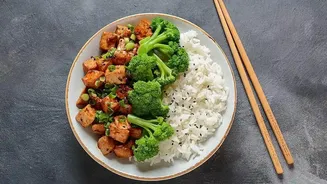
At its core, 'double carbing' is the simple practice of eating two primary sources of carbohydrates in a single meal. Think of common Indian meals like dal with rice and roti, or a classic Italian dinner of pasta with a side of bread. It sounds straightforward,
but this concept has become a source of confusion and anxiety for many, thanks to the rise of low-carb diets and a general fear of carbohydrates leading to weight gain. The idea of pairing two starchy foods has been flagged as a dietary mistake, but the reality is far more nuanced than that simple warning suggests. Understanding this practice is the first step to unpacking whether it's truly a nutritional villain or just misunderstood.
The Myth: Why We Fear the Carb Combo
The fear of double carbing stems from the idea that loading up on carbohydrates in one sitting leads to a dramatic spike in blood sugar. The theory is that when you consume a large amount of carbs, your body breaks them down into glucose, causing insulin levels to surge. Insulin's job is to move glucose into your cells for energy, but it also temporarily suppresses the body's ability to burn stored fat. The concern is that any excess glucose not immediately used for energy will be converted and stored as fat, making weight loss more difficult. This has led to a widespread belief that combining two carb sources automatically results in an excessive carb load, sabotaging health and fitness goals. While there's a kernel of truth here about large glucose spikes, the myth lies in the assumption that all carb combinations are created equal.
The Reality: Quality Over Quantity
The most critical factor isn't that you're eating two carbs, but which carbs you're choosing. Carbohydrates fall into two main categories: simple and complex. Simple carbs, like those in white bread, sugary snacks, and white pasta, are digested quickly, leading to that rapid spike in blood sugar. Complex carbohydrates, found in whole grains, vegetables, beans, and lentils, contain fiber and starch. This makes them slower to digest, providing a more stable and sustained release of energy without a dramatic blood sugar surge. Therefore, a meal of white pasta with a side of white garlic bread has a very different metabolic effect than a meal of brown rice with a side of roasted sweet potatoes and black beans. The latter provides fiber, vitamins, and minerals that support overall health and keep you feeling full longer.
Context Is King: Your Activity and Total Diet
A meal is just one part of your entire day's nutrition. Whether double carbing is 'good' or 'bad' heavily depends on your personal context. An athlete or someone with a very active job has higher energy demands and can easily utilize the glucose from a carb-heavy meal. For them, combining carbs can be an effective way to refuel their muscle glycogen stores. However, for a sedentary individual, the same meal might provide more energy than their body needs, potentially leading to fat storage over time. The more important metric is your total daily intake. Focusing on balanced meals rich in protein, healthy fats, and fiber throughout the day is far more crucial for weight management and metabolic health than obsessing over a single meal's composition.
And What About Meal Timing?
The headline also mentions meal timing, another hot topic in nutrition. Some research suggests that our bodies are more insulin-sensitive and metabolically active in the morning and early afternoon. This means we might process carbohydrates more efficiently earlier in the day compared to late at night. Studies have shown that a late-night, high-carb meal can lead to higher blood sugar spikes. However, for most healthy individuals, the overall quality and quantity of carbs consumed throughout the day are significantly more important than the exact timing. While aiming to eat your larger, more carb-dense meals earlier might offer some metabolic advantages, it's not a rigid rule. The key is to avoid consistently eating large amounts of refined carbs right before bed, especially if you lead an inactive lifestyle.