


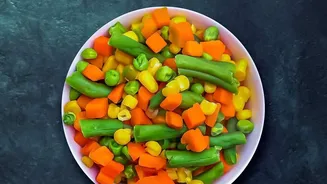
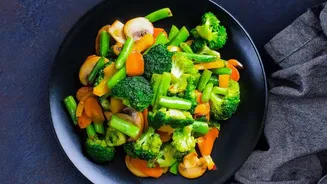

The Science of the Sizzle vs. the Steam
To understand why crowding is a problem, we need to look at the science of cooking. When you place food in a hot, well-oiled pan, the goal is often the Maillard reaction. This is the chemical process between amino acids and sugars that gives browned food its
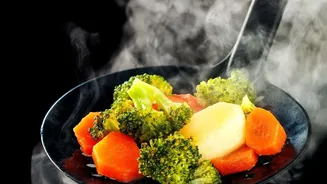
distinctive flavour and colour, from a seared steak to golden-brown roasted vegetables. This reaction needs high, dry heat to work its magic. Frozen vegetables contain a lot of water in the form of ice crystals. When you dump a whole bag into a pan, two things happen. First, the large volume of frozen food drastically lowers the pan's temperature. Second, as the ice melts, a massive amount of water is released. If the vegetables are packed tightly together, this water has nowhere to go. Instead of evaporating into the air, it gets trapped, effectively steaming the vegetables in their own liquid. Steaming is a wet cooking method that results in a soft texture, the exact opposite of the crispiness you were hoping for.
The Golden Rule: Give Them Space
The single most important step to avoid soggy vegetables is to give them enough room in the pan. Think of it as social distancing for your food. When vegetables have space, the moisture they release can quickly evaporate, allowing the hot surface of the pan to make direct contact with the vegetable itself. This is what creates that desirable browning and crisp texture. If your pan looks full, it's too full. As a rule of thumb, no two pieces should be touching. If you can't see the bottom of the pan, you've definitely overcrowded it. This might mean you need to use a larger skillet or baking sheet, or simply cook your vegetables in two separate batches. While cooking in batches takes a few extra minutes, the payoff in flavour and texture is well worth the effort.
Turn Up the Heat Before You Start
A hot pan is a non-negotiable ally in your fight against sogginess. Starting with a properly preheated pan and hot oil is crucial. High heat helps the water from the frozen vegetables evaporate almost instantly upon contact. If you add vegetables to a cold or lukewarm pan, the moisture will pool before the pan is hot enough to cook it off, creating the dreaded steaming effect from the very beginning. For sautéing, get your pan hot over medium-high heat before adding anything. For roasting, preheating your oven to a high temperature, typically around 220°C (425°F), is essential. Some chefs even recommend preheating your baking sheet in the oven before spreading the vegetables on it to give them an initial blast of heat.
To Thaw or Not To Thaw?
It might seem counterintuitive, but for most cooking methods like roasting and sautéing, it's best to cook vegetables directly from frozen. Thawing them first allows the ice to melt, releasing water and making the vegetables soft and waterlogged before they even hit the pan. This excess surface moisture is a major contributor to steaming and sogginess. By cooking them straight from the freezer, the high heat of the pan or oven can work to evaporate the moisture as it's released, helping to preserve a better texture. The only time you might consider partially thawing is if the vegetables are frozen in one giant, solid block; in that case, a quick rinse under cold water to break them apart is a good idea.
Embrace the Oven for Ultimate Crispiness
While a skillet is great for a quick sauté, roasting is often the most reliable method for achieving perfectly crisp frozen vegetables. The dry, circulating heat of an oven is ideal for evaporating moisture and promoting caramelization. The process is simple: toss your frozen vegetables with a bit of oil and your desired seasonings, then spread them in a single, even layer on a baking sheet. Remember the no-crowding rule here, too. Roast at a high temperature (220°C or 425°F) for about 15-25 minutes, flipping them halfway through to ensure even browning. This method works wonders for hardy vegetables like broccoli, cauliflower, and Brussels sprouts, transforming them into a delicious and addictive side dish.