







A Symbol of Humility and Respect
At its core, touching an elder's feet is a physical manifestation of humility and reverence. By bowing down, an individual symbolically sets aside their ego, acknowledging the wisdom, experience, and stature of the person before them. This could be a parent,
grandparent, teacher, or any respected senior. The gesture signifies respect for their journey through life and the knowledge they have accumulated. In return, the elder typically places a hand on the person's head, offering blessings for a long life, success, and prosperity. This reciprocal exchange is a cornerstone of the practice, creating a circuit of respect and affection.
Tracing Ancient and Vedic Roots
The tradition of Charan Sparsh is not a modern invention; its origins are deeply embedded in ancient Indian scriptures and practices, dating back to the Vedic period. Texts like the Manusmriti and the Atharva Veda reference the importance of showing reverence to gurus (teachers) and elders. In the epic Mahabharata, the Pandavas seek the blessings of their elders, including Bhishma, by touching their feet before the Kurukshetra War, underscoring the belief that such blessings provide strength and protection. Historically, a disciple (shishya) would touch the feet of their guru, symbolising the surrender of ego which was considered essential for receiving knowledge. Over centuries, this practice evolved from the guru-shishya relationship into a widespread family and social tradition.
The Flow of Positive Energy
Beyond its symbolic meaning, many believe there is a spiritual or scientific element to touching feet. According to this perspective, the human body is a conduit of energy. Nerves extending from the brain are said to terminate in the fingertips and toes. When a person touches an elder's feet, a circuit is believed to be formed. The younger person's fingertips, acting as receptors, absorb the positive energy and blessings flowing from the elder's body. The elder, in turn, transfers blessings and positive vibrations, which are thought to shield the younger individual from negativity and guide them towards a righteous path. This exchange is seen as a transfer of cosmic energy that revitalizes both the giver and the receiver.
Variations in the Gesture
While the essence remains the same, the act of touching feet can be performed in several ways, reflecting varying degrees of reverence. The most common form involves bending at the waist to touch the elder's feet. A more deferential form involves sitting on one's knees to reach the feet. The most profound form of respect is the 'Sashtanga Dandvat Pranam', a full prostration where the individual lies flat on their stomach, with their forehead touching the ground. This is typically reserved for deities in temples or highly revered spiritual gurus. Each variation carries the same core message: I respect the path you have walked and the wisdom you have gained.
A Tradition in Modern India
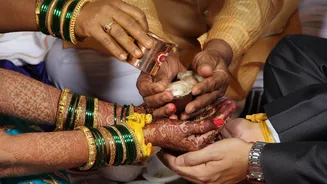
In a rapidly modernizing India, where interactions are increasingly becoming more casual with handshakes or verbal greetings like 'Hi' and 'Hello', the practice of Charan Sparsh faces a changing landscape. Some younger generations may view it as an old-fashioned ritual, preferring less formal gestures. However, the tradition remains deeply ingrained in the cultural fabric of the nation. It is still a common sight at festivals, weddings, family gatherings, and before embarking on a new venture. For many, it is not merely a ritual but a powerful, tangible connection to their roots, family values, and the timeless wisdom of their elders. It serves as a constant reminder that in the journey of life, the blessings of those who came before us are an invaluable source of strength and guidance.