
Meet the µBite
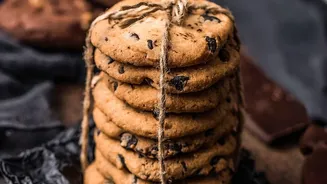
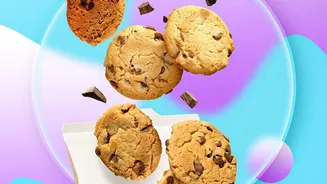
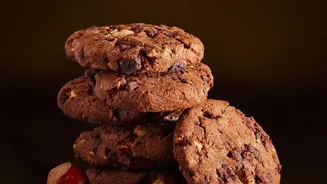
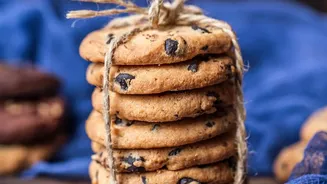
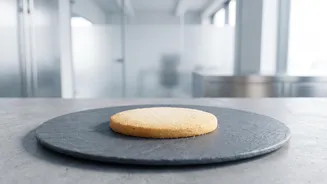
Scientists at Southern Illinois University have unveiled a prototype food product they call the µBite, pronounced "micro-bite". This small, 3D-printed disc looks like a cookie and even smells like vanilla, but its origin story is what sets it apart. Its
core components are derived from the chemical breakdown of PET plastic—the material used in soda and water bottles—along with agricultural waste like corn stalks. The project, led by microbiologist Lahiru Jayakody and geologist Ken Anderson, was recently presented at a meeting of the American Chemical Society. It's important to be clear: this is not about grinding up plastic and baking it. Instead, it is a sophisticated biological transformation that turns waste into edible biomass.
The Science of Upcycling Waste
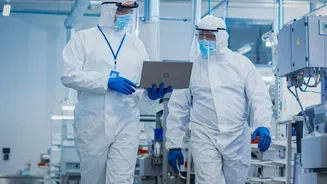
The process is a multi-step feat of engineering and biology. First, the PET plastic and plant matter are broken down using a technique involving high heat, pressure, water, and oxygen. This doesn't melt the plastic but rather chemically deconstructs it into a carbon-rich liquid. This liquid then becomes food for genetically engineered microbes. Specialised strains of yeast consume the carbon building blocks and convert them into new materials: proteins, fats, and other nutrients. One type of yeast is programmed to produce beta-carotene (which our bodies convert to Vitamin A), while another generates a vanilla flavouring. Finally, this nutrient-dense slurry is mixed with starch and fiber before being fed into a 3D printer, which shapes it into the final cookie form.
Solving Problems on Earth and in Space
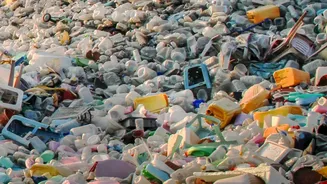
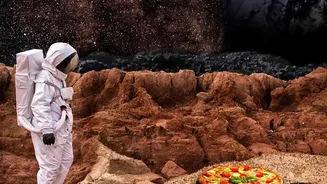
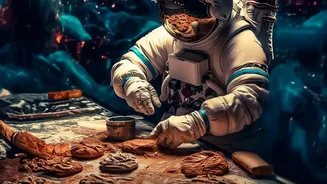
The motivation behind the µBite goes far beyond creating a novelty snack. The project was developed as part of NASA's Deep Space Food Challenge, which seeks innovative ways to feed astronauts on long missions where resupply is impossible. Being able to convert waste materials into food could be a game-changer for missions to the Moon or Mars. However, the technology has significant potential applications here on Earth. In disaster zones or remote areas where food supply chains are disrupted, a system that creates nutrients from inedible waste could be a lifeline. It also offers a creative new front in the battle against plastic pollution, which sees millions of tons of PET waste end up in landfills and oceans each year. By turning low-value plastic waste into a high-value product like food, it creates a powerful incentive to recycle.
The Catch: It's Not on the Menu Yet
While the science is groundbreaking, you won't find µBites in your local supermarket anytime soon. The cookie is, as the headline suggests, still a strictly experimental prototype. The most crucial fact is that no one has actually tasted it. Although the researchers believe the resulting product will be safe for human consumption, it is still awaiting formal institutional approval and rigorous safety testing before any taste tests can be conducted. This highlights the major difference between a proof of concept in a lab and a consumer-ready food product. The journey from a successful experiment to a regulated, approved, and publicly accepted food item is long and complex, involving hurdles that are as much about public perception as they are about science.
The Future of Food or a Radical Idea?
The µBite represents a fascinating and provocative question about the future. Can we fundamentally change our relationship with waste by learning to eat it? The biggest challenge may not be scientific but psychological. The idea of eating something that started as a plastic bottle carries a significant "ick" factor, even if the final product is chemically and biologically safe. Researchers have been exploring the conversion of plastic to vanillin for several years, but the µBite project takes it a step further by creating a more complete food source. For now, the project's greatest value is in pushing the boundaries of what we consider possible. It forces us to think differently about the materials we throw away and the resources we might be able to create from them.