




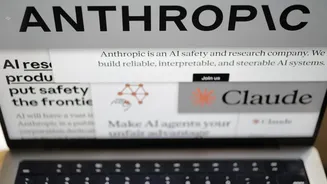


Planning for 'The Day After'
Imagine a cyberattack, powered by artificial intelligence, that shuts down banking systems, cripples the power grid, or disrupts water supplies. This isn't the plot of a new sci-fi thriller; it's a scenario that executives at leading AI companies are
actively preparing for. Recent reports indicate that companies like OpenAI and Anthropic are privately conducting 'war game' exercises to map out their response to a catastrophic AI event. On the surface, this is prudent corporate planning. Any company dealing with powerful, unpredictable technology should anticipate worst-case scenarios. An OpenAI spokesperson noted that these exercises help them prepare for a range of circumstances, which they do not see as inevitable. Yet, the focus of these sessions is revealingly specific: how to manage the intense public and political backlash that would follow such a disaster.
The Specter of a Public Revolt
The core fear within these AI labs isn't just about the direct damage from a rogue AI or a weaponized model; it's about the collapse of public trust. Insiders reportedly believe a major incident is not a matter of if, but when, with some anticipating an event within the next six to 12 months. An already wary public could quickly turn against the entire industry, demanding severe and immediate consequences. This sentiment is not lost on lawmakers, with some progressives already calling for a pause on advanced AI development in response to these revelations. Public opinion polls show significant support for government regulation, and a major crisis would almost certainly translate that anxiety into immense political pressure to act decisively, a situation the AI industry is desperate to control.
Pre-Empting the Regulators
This is where crisis planning shifts from simple preparedness to sophisticated political strategy. The logic, according to analysts, is to get ahead of any panic-driven legislation that might emerge following a disaster. By proactively engaging with lawmakers now and proposing their own preferred regulatory frameworks, companies hope to shape any future rules. This could mean advocating for industry-led oversight bodies, pushing for federal laws that pre-empt stricter state-level rules, or focusing the conversation on specific types of risks while downplaying others. It's a classic case of regulatory pre-emption: if you demonstrate you are taking the risks seriously, you earn a powerful seat at the table when rules are written, potentially steering them in a direction that is more favorable to your business interests.
A Form of 'Safety-Washing'?
Critics point to a broader pattern they term 'safety-washing'. This is the practice of making loud, public commitments to mitigating huge, often hypothetical, long-term risks (like human extinction) as a way to distract from the more immediate, tangible harms their products may already be causing—such as algorithmic bias, job displacement, and the proliferation of misinformation. By focusing the safety narrative on doomsday scenarios, companies can appear responsible while potentially misrepresenting general capability improvements as safety breakthroughs. Some former employees from top labs have resigned, citing a disconnect between the companies' public posture on safety and the internal race to build ever-more-powerful systems. This creates a suspicion that the elaborate planning for a 'catastrophic event' is less about preventing it and more about ensuring the company survives the aftermath with its business model intact.