




The Expressway Effect: Hours Turn into Minutes
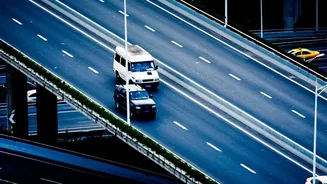
Not long ago, a road trip often meant a test of patience. Today, new expressways are transforming inter-city travel. The partially operational Delhi-Mumbai Expressway is a prime example, set to reduce the 24-hour journey to just 12. This isn't just about
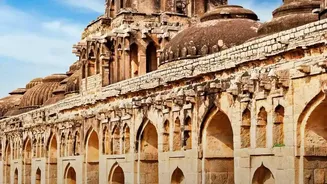
connecting two megacities; it's about creating a 'tourism corridor' that links destinations like Jaipur, Ranthambore, and Sariska. Similarly, the Delhi-Dehradun Expressway has slashed travel time from over six hours to about two and a half, making weekend trips to the mountains a spontaneous reality. In the south, the Bengaluru-Mysuru Expressway has cut the 3-hour journey to a mere 75 minutes. These aren't just roads; they are gateways, making heritage sites, wildlife parks, and hill stations more accessible than ever before.
The Vande Bharat Revolution
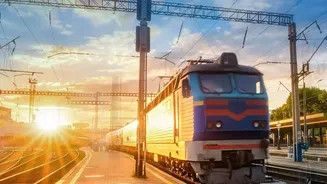
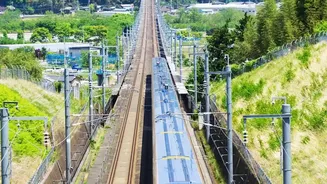
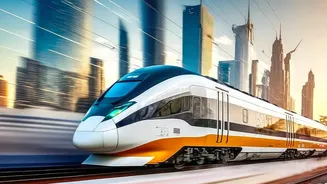
The transformation is just as dramatic on the rails. The Vande Bharat Express network has rapidly expanded, connecting dozens of cities with semi-high-speed services that prioritise comfort and time. These modern trains have redefined premium train travel, offering amenities like rotating seats, large windows, and onboard Wi-Fi. More importantly, they have significantly reduced journey times on key routes. The New Delhi-Varanasi service, for example, completes the 759 km journey in just eight hours. The network is also expanding to include sleeper versions, promising to be a game-changer for overnight travel. A proposed Vande Bharat Sleeper between Bengaluru and Mumbai aims to cut the journey time from 24 hours to under 16, addressing a long-standing demand for faster connectivity between India's tech and financial hubs.
Reaching the Once-Remote
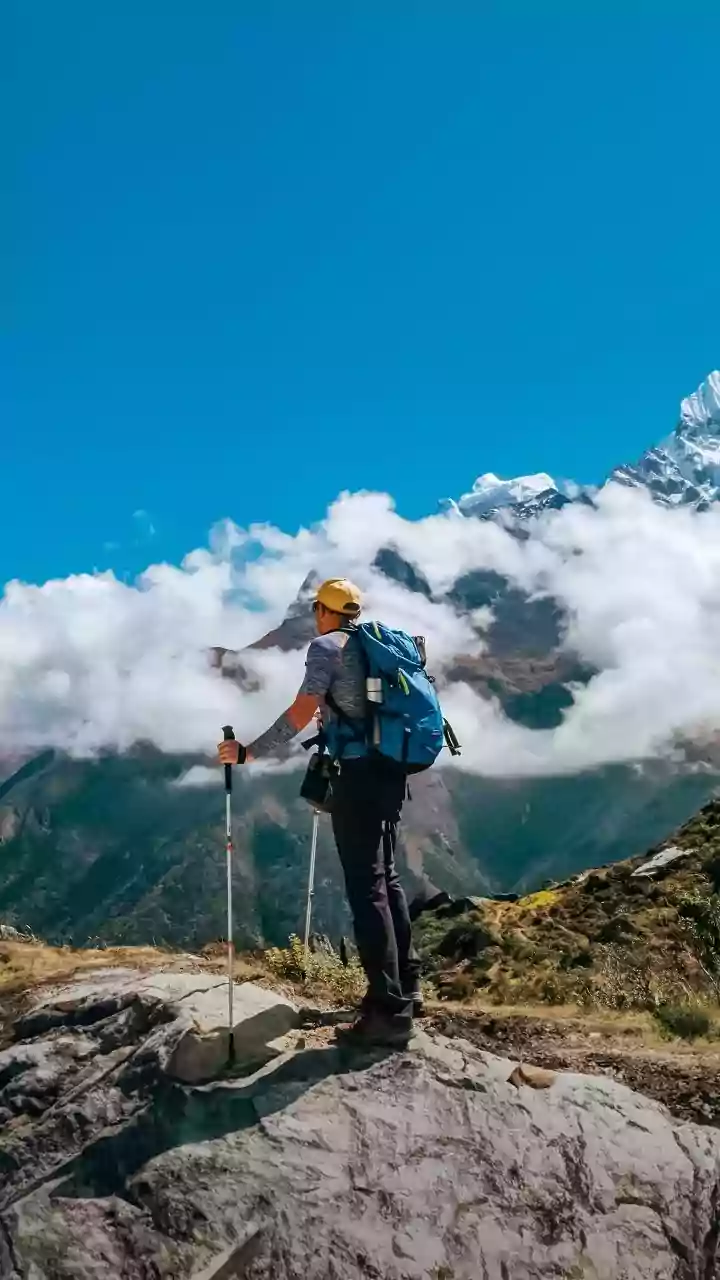
Perhaps the most profound impact of this new infrastructure is on regions that were once considered remote. Tunnels and bridges are cutting through challenging terrain to provide all-weather connectivity. The Atal Tunnel in Himachal Pradesh is a monumental example, bypassing the treacherous Rohtang Pass to connect Manali with the Lahaul-Spiti valley year-round. This has slashed the travel time by four to five hours and triggered a tourism boom in the Lahaul valley, which was previously cut off for six months of the year due to snow. Tourist numbers in the valley have surged dramatically since the tunnel opened. Similarly, projects like the Zojila Tunnel, which will connect Kashmir with Ladakh, promise to reduce a multi-hour journey to just 20 minutes, opening up the region to year-round tourism and providing a vital lifeline for locals.
Creating New Tourism Circuits
The cumulative effect of these projects is the creation of integrated tourism circuits where travellers can easily combine multiple destinations in a single trip. The Samruddhi Mahamarg in Maharashtra, for instance, links religious and heritage sites like Shirdi, Nashik, and the Ajanta and Ellora caves. In Uttar Pradesh, the Bundelkhand Expressway connects a historical circuit including Khajuraho, Orchha, and Jhansi. This shift from standalone destinations to interconnected circuits encourages longer stays and deeper exploration of a region's offerings. It allows a traveller to plan a trip that seamlessly blends wildlife, heritage, spirituality, and leisure, all made possible by smoother, faster, and more reliable transport links.