





Why Your Appetite Fades on Mounjaro
Mounjaro's active ingredient, tirzepatide, works by mimicking two key gut hormones: GLP-1 and GIP. These hormones send signals to your brain that increase feelings of fullness and satisfaction. Simultaneously, the medication slows down gastric emptying,
meaning food stays in your stomach for a longer period. This dual action is highly effective for weight loss but is also the direct cause of the suppressed appetite many users experience. You feel full faster and stay full longer, which naturally leads to eating less. While this is the intended effect, it can catch many by surprise, turning mealtime from a pleasure into a puzzle.
The Challenge: Nutrition on an Empty Appetite
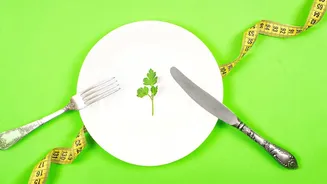
A low appetite isn't just an inconvenience; it can pose nutritional challenges. When you're barely hungry, it's easy to skip meals or eat very little, potentially leading to inadequate intake of essential nutrients. This can result in fatigue, muscle loss, and other health issues. The goal isn't just to eat fewer calories, but to make the calories you do consume as nutrient-dense as possible to support your body. Preserving lean muscle mass is particularly crucial during weight loss, which makes getting enough protein a top priority.
Strategy 1: Prioritise Protein and Nutrients
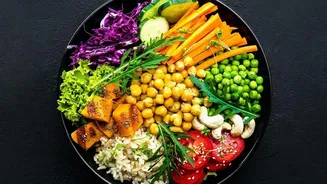
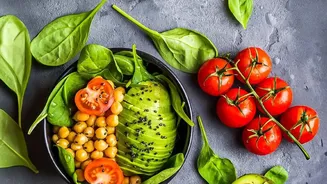
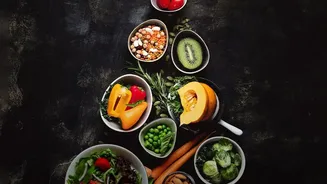
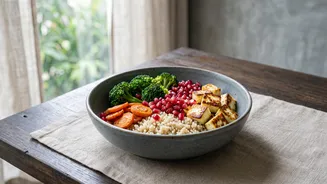
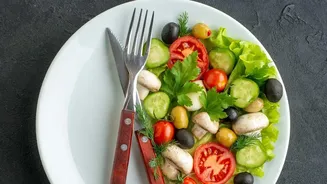
When your capacity to eat is limited, every bite counts. Focus on making protein the star of your plate. Aim to eat your protein source first to ensure you meet your body's needs for muscle preservation. Good sources include lean meats like chicken and fish, eggs, Greek yogurt, cottage cheese, and legumes. Pair these with non-starchy vegetables and a small amount of healthy fats. High-quality, low-volume foods are your best friend. For example, a few bites of grilled salmon and spinach are more nutritionally valuable than a larger portion of a less-dense food.
Strategy 2: Rethink Your Meal Schedule
The traditional three-large-meals-a-day model often doesn't work for those on Mounjaro. The thought of a full plate can be overwhelming. Instead, shift your mindset to five or six smaller "mini-meals" or nutrient-rich snacks throughout the day. This approach can help you meet your nutritional goals without feeling uncomfortably full or nauseous. Planning these small meals can be as simple as having a hard-boiled egg, a small Greek yogurt, a handful of nuts, or a small portion of a pre-prepped quinoa salad. This keeps your energy levels stable and makes eating more manageable.
Strategy 3: Embrace Liquid Nutrition
On days when solid food feels completely unappealing, liquids can be a lifesaver. Protein shakes, smoothies, and broth-based soups are excellent ways to get calories and vital nutrients in a format that is often easier to tolerate. You can pack a significant amount of nutrition into a single glass. A smoothie with Greek yogurt or protein powder, a handful of spinach, and some berries can provide protein, fibre, and vitamins without requiring you to sit down for a heavy meal. Bone broth is another gentle option that provides protein and hydration.
Strategy 4: Listen to Your Body and Stay Hydrated
Managing a low appetite involves learning to listen to new cues from your body. Eat slowly and stop when you feel about 80% full; the delayed stomach emptying means that feeling of fullness will continue to build after you've stopped eating. It's also critical to stay hydrated, but try sipping fluids between meals rather than with them to avoid filling up your stomach with liquid. Some people also find it helpful to avoid greasy, fried, or overly sugary foods, as these can worsen side effects like nausea.