







The Carb Conundrum of Fasting
For many observing the Sawan fast, the daily menu is predictable: sabudana khichdi, aloo ki sabzi, and kuttu ki puri. While delicious and deeply traditional, these staples are overwhelmingly high in carbohydrates. This leads to a common problem: a quick
spike in blood sugar that provides a temporary energy boost, followed by a sharp crash that leaves you feeling tired, hungry, and irritable. This cycle of energy highs and lows can make the fasting period physically challenging, undermining the spiritual focus of the month. Relying solely on these starchy foods without balancing them can lead to fatigue and constant cravings, making the fast harder to maintain.
Why Protein is Your Fasting Friend
The solution to a more sustainable and comfortable fast lies in protein. Unlike carbohydrates, protein digests slowly, which helps in several key ways. Firstly, it provides a steady, sustained release of energy, preventing the dramatic blood sugar fluctuations caused by carb-heavy meals. Secondly, it promotes satiety, meaning it keeps you feeling full and satisfied for longer. This is crucial for managing hunger pangs between meals and preventing overeating when you break your fast. Nutritionists emphasize that including a source of protein with every fasting meal is essential to preserve muscle mass, support overall health, and maintain stable energy levels throughout the day.
Power Up with Dairy
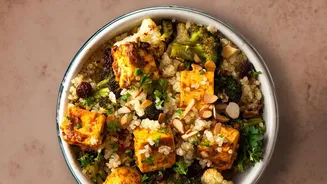
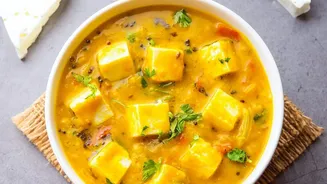
Dairy products are one of the most accessible and effective sources of high-quality protein during the Sawan fast. Paneer, or cottage cheese, is a powerhouse of casein protein, which digests very slowly, ensuring you stay full for hours. You can enjoy it grilled, as a simple tikka seasoned with rock salt and pepper, or crumbled into salads. Curd (yogurt) and milk are also excellent choices. A bowl of curd can be a refreshing side, while a glass of milk or a homemade smoothie with fruits can serve as a complete, nutrient-dense mini-meal. Buttermilk (chaas) made with sendha namak is another great option for hydration and protein.
Embrace Nuts and Seeds
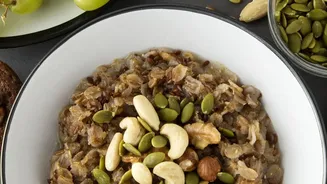
Don't underestimate the power of nuts and seeds. A handful of almonds, walnuts, or roasted peanuts can provide a significant boost of protein, healthy fats, and essential nutrients. Makhana (fox nuts) are another fasting superstar; they are light, crunchy, and surprisingly high in protein. You can dry roast them for a simple snack or make a rich makhana kheer for a healthier dessert. Even peanuts, often used just as a garnish in sabudana khichdi, can be a focal point, offering protein and healthy fats that help stabilize energy.
Smarter Flours for Your Rotis
While wheat is avoided, the flours that are permitted during Sawan can make a huge difference. Instead of relying only on potato-based dishes, incorporate 'vrat-friendly' flours like rajgira (amaranth), kuttu (buckwheat), and singhara (water chestnut). Rajgira, in particular, is celebrated for being richer in protein compared to many other grains. Using these flours to make rotis, cheelas (pancakes), or parathas is a simple way to add a substantial protein and fibre component to your main meals. Pairing a rajgira paratha with a bowl of plain curd creates a well-rounded, satisfying meal.
Building a Balanced Vrat Thali
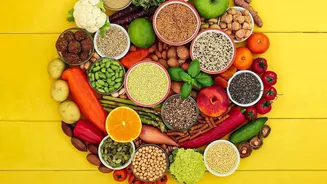
Rethinking your fasting plate is simple. Instead of a meal dominated by a single starchy item, aim for variety and balance. A balanced Sawan meal could feature a small portion of samak rice pulao, a side of paneer bhurji (made with vrat-friendly spices), a bowl of cucumber raita, and a few roasted makhanas. For breakfast, swap fried items for a fruit smoothie with yogurt and a sprinkle of nuts. For snacks, reach for a mixed nut trail mix instead of potato chips. This thoughtful approach ensures you are getting a mix of protein, healthy fats, and complex carbs, allowing you to observe your fast with sustained energy and vitality.