






More Than Just Decoration
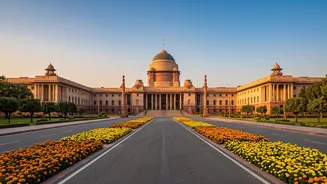
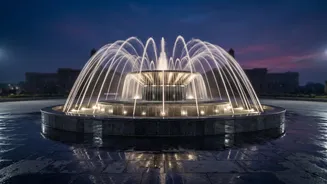
Across the national capital, teams from the New Delhi Municipal Council (NDMC) are executing a comprehensive beautification plan ahead of the BRICS summit, scheduled for September. The headline features—15 large floral boards and nine specially designed
flower fountains—are central to this effort, intended to create a visually appealing environment for visiting international delegates. According to NDMC Chairman Manoj Kumar Dwivedi, these installations will be placed at key locations, including 17 roundabouts that are also slated for special landscaping and illumination. The horticulture plan is extensive, involving the planting of seasonal flowers, maintaining green corridors, and covering barren patches to ensure a lush, well-maintained appearance along major thoroughfares.
A Coordinated City-Wide Effort
The beautification drive is part of a much larger, coordinated civic preparedness plan. The NDMC has divided 41 major roads into 14 circles, each managed by a dedicated nodal officer to ensure rigorous standards are met. This isn't just about flowers; the plan encompasses round-the-clock sanitation, with additional staff and mechanical sweepers deployed from September 9 to 14. Infrastructure maintenance is another priority, with directives issued for repairing potholes and footpaths, maintaining railings, and ensuring street furniture is in top condition. Furthermore, special enforcement drives will target unauthorized hoardings, regulate street vending, and remove illegally parked vehicles, particularly along routes designated for VIP movement.
The Strategy of Summit Diplomacy
Hosting a major international summit like BRICS is a significant exercise in soft power. For India, it’s an opportunity to present Delhi as a clean, modern, and efficient global city. The intense focus on aesthetics and logistics reflects a broader ambition to showcase the nation's capability to manage large-scale international events. This approach was seen during the G20 Summit, where significant investment in infrastructure and beautification left a lasting impact on the city and boosted India's profile as a destination for business and tourism. By ensuring a seamless and visually impressive experience for world leaders and international media, the government aims to project an image of competence and progress on the world stage. BRICS branding will even be displayed on 154 digital screens and at public utilities to reinforce the event's significance.
What Happens After the Delegates Leave?
A common concern with summit-driven development is its longevity. Are these improvements merely temporary fixes for a global audience? Officials maintain that many of the upgrades are intended to be permanent. While some elements, like the intense sanitation schedule, are specific to the summit period, the infrastructure work—repaired roads, upgraded footpaths, and permanent horticultural installations like fountains—is expected to benefit residents long after the event concludes. The precedent from past events like the G20 suggests that such large-scale efforts can leave a legacy of improved urban infrastructure. The goal is to create lasting assets for the city, enhancing the quality of life for Delhiites while also building a portfolio of world-class facilities for future international gatherings.