







A New Generation of Humanoids
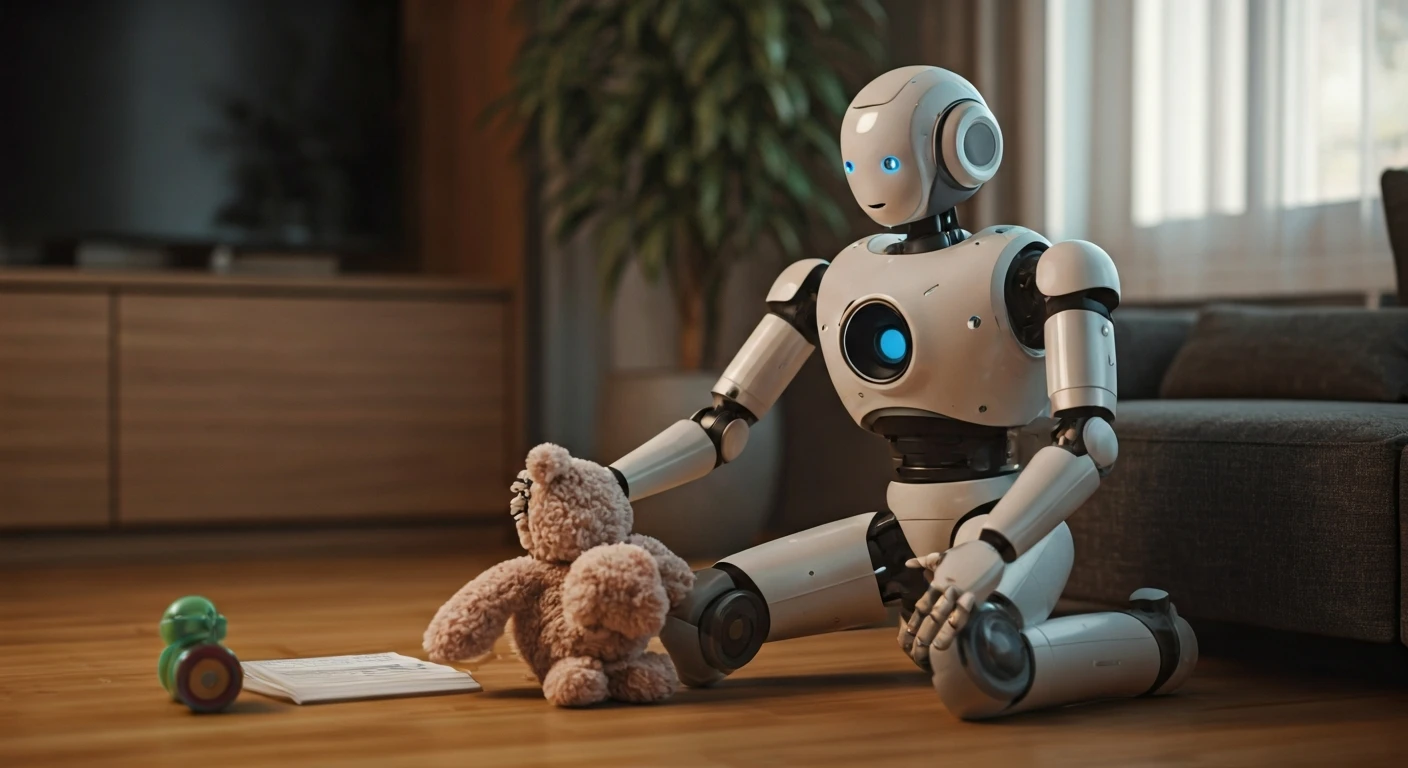
The idea of a personal robot isn't new, but recent breakthroughs are finally making it a reality. Companies are unveiling sophisticated humanoid robots, like the much-discussed Unitree G1 and Astribot S1, designed not for heavy industry but for human environments.
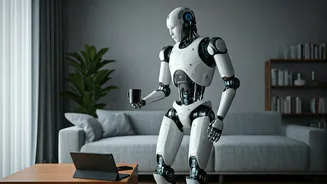
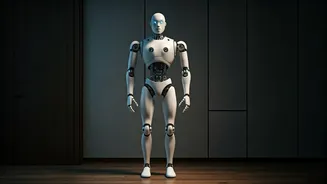
Standing at around four feet tall and built with nimble, dexterous hands, these machines represent a significant leap in robotics. Powered by advanced artificial intelligence, they can learn from their surroundings and even by watching humans perform tasks, a process known as imitation learning. This allows them to adapt to new situations, a crucial skill for navigating the unpredictable real world outside of a factory.
Factory Brawn vs. Domestic Brains
The distinction between these new robots and their industrial ancestors is fundamental. Factory robots are masters of repetition, designed for a single task performed with superhuman speed and precision in a highly controlled environment. They are typically bolted to the floor, often inside a safety cage, because their power and speed can be dangerous. A companion robot, however, is built on a completely different philosophy. Its strength lies not in raw power but in adaptability and interaction. It needs to move safely through a cluttered home, handle objects of varying shapes and fragility, and respond to human presence. This requires a focus on advanced sensor suites, intelligent decision-making, and a design that is approachable rather than intimidating.
What Makes a Robot a 'Companion'?
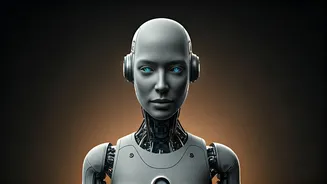
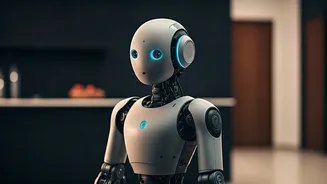
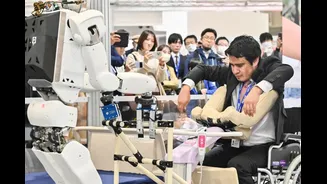
The term 'companion' implies more than just utility; it suggests a degree of social and emotional interaction. For these robots, companionship is built through function. Features like advanced AI allow them to understand and respond to natural language. Their dexterous, force-controlled hands can perform delicate tasks, from folding laundry to pouring a drink, with a gentleness that builds trust. Developers are focused on creating machines that can provide meaningful assistance, whether it's helping an elderly person with daily chores, offering support in healthcare settings, or simply being a helpful presence in the home. This shift redefines the robot from a mere tool to a potential partner in daily life.
From Sci-Fi Vision to Living Room Reality
Despite the impressive demonstrations, a robot butler in every home is not right around the corner. The challenges are still immense. While models like the Unitree G1 are considered affordable for the sector at around $16,000, this is still a prohibitive cost for the average consumer. Furthermore, the gap between performance in a controlled demo and reliable operation in a messy, real-world home is significant. According to a 2026 Stanford report, humanoid robots still struggle with the unpredictability of household tasks, with high failure rates in real-world settings. Battery life is another major hurdle, with most current models limited to just a few hours of operation before needing a recharge. Safety and public trust are other critical factors that need to be addressed before widespread adoption can occur.
The Future of Human-Robot Collaboration
The emergence of companion-focused robots signals a profound shift in our relationship with technology. It's moving from one of simple instruction to one of collaboration. These machines are designed to operate in environments built for humans, using the same tools and navigating the same spaces. This 'drop-in' potential is what makes them so revolutionary; they don't require us to rebuild our world around them. As the technology matures and costs decrease, these robots could have a transformative impact on everything from elder care and accessibility to how we manage our homes and daily routines. They promise a future where technology doesn't just serve us, but coexists with us.