


More Than Just Stacking Rocks
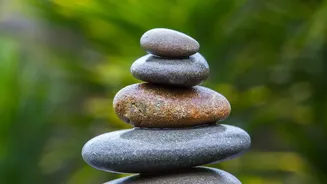
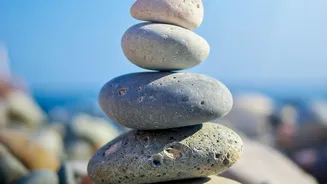
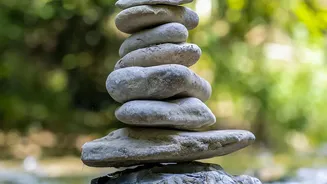
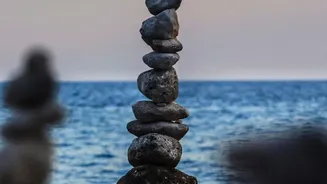
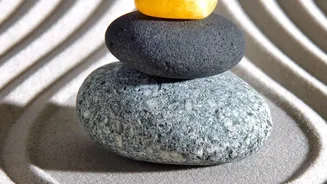
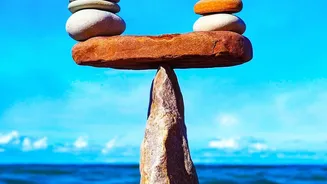
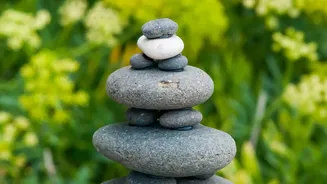
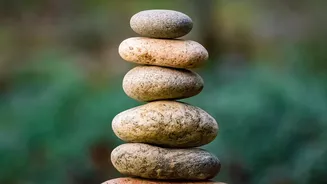
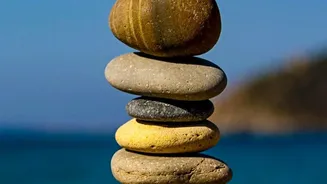
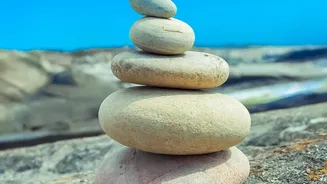
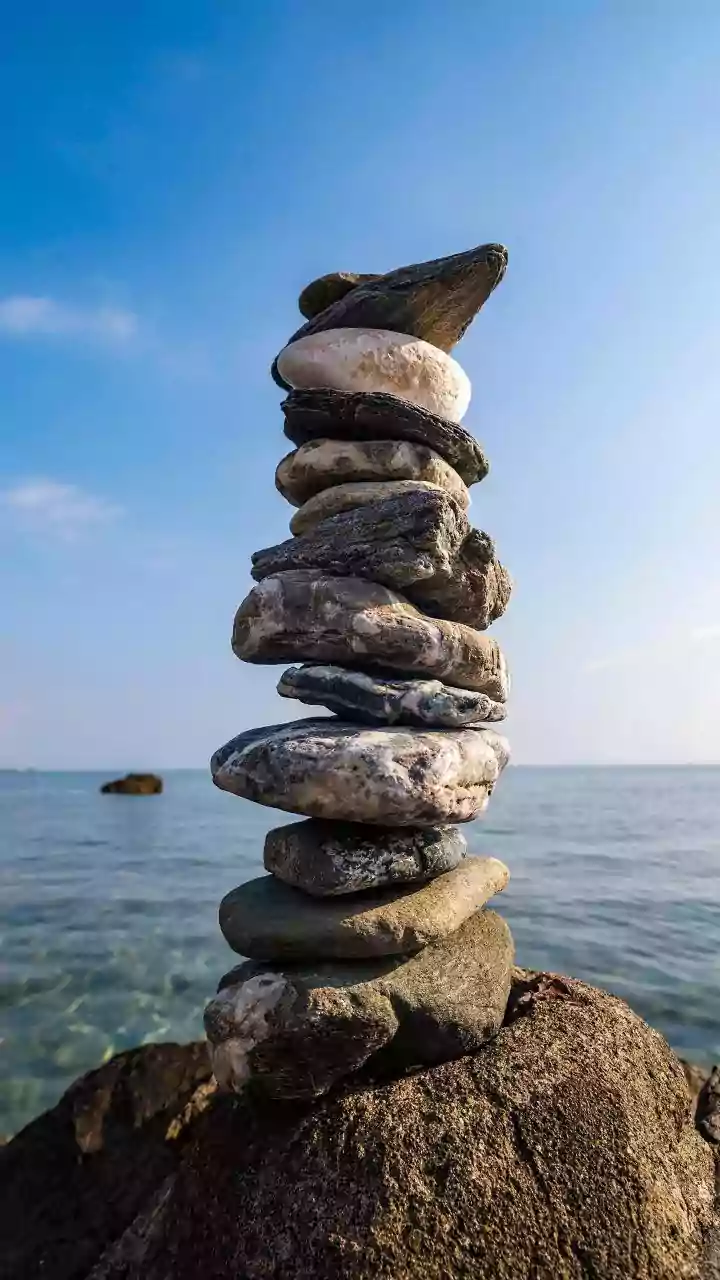
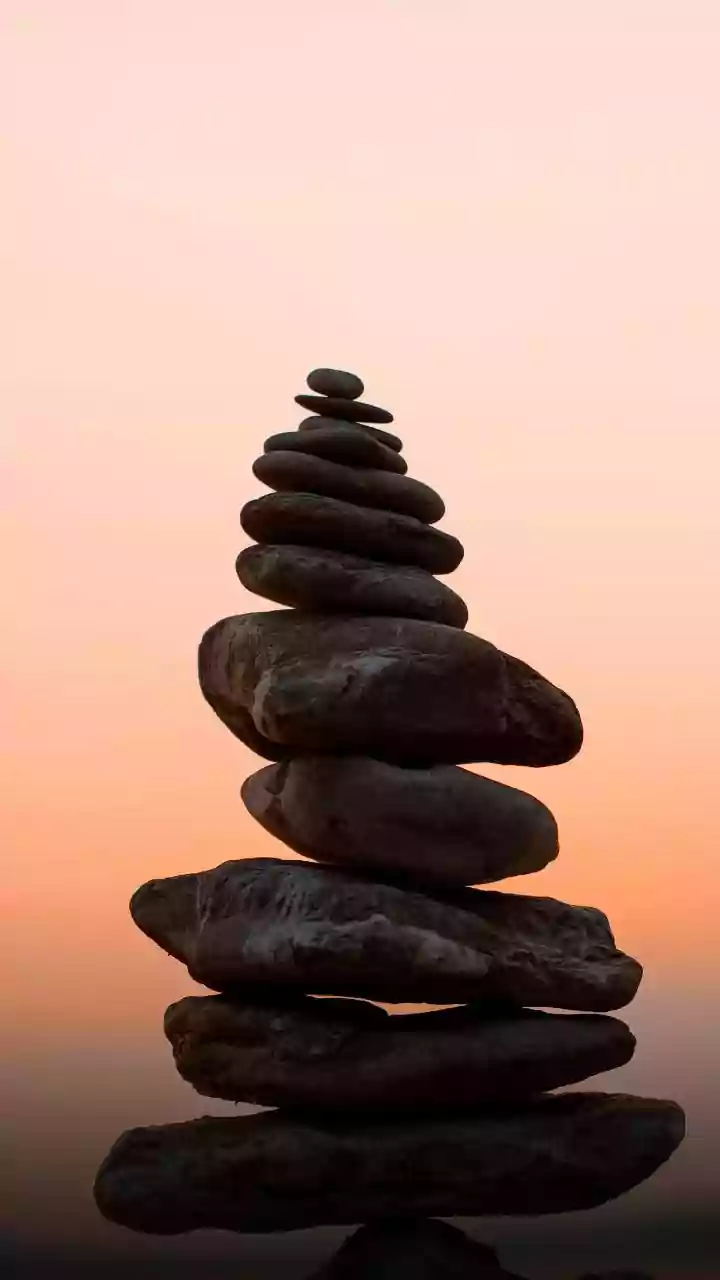
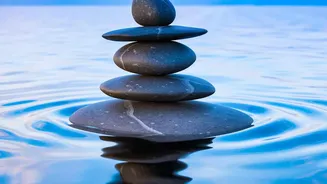
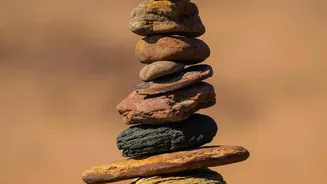
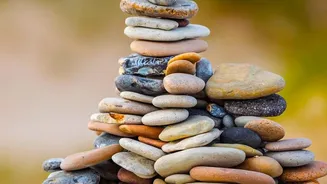
At its core, stone balancing is the art of arranging natural stones in seemingly precarious positions without using any adhesives, wires, or supports. It is an act of finding a natural point of balance, or a 'tripod', for each rock. Practitioners describe
the process as a dialogue with the stones and with gravity itself. The goal isn't necessarily to build the tallest or most complex structure, but to engage in the process. This ancient practice, found in cultures worldwide for everything from trail markers to spiritual rituals, is now being embraced as a form of active meditation. The appeal lies in its simplicity: all you need are stones and patience, making it an accessible hobby for anyone looking to quiet their mind.
A Workout for the Mind
The most frequently cited benefits of stone balancing are mental. It demands intense concentration. To find the infinitesimally small grooves and points where two rocks will lock, you must be completely present. Your mind can't be wandering to your to-do list or what's for dinner. This single-mindedness is the essence of mindfulness, a practice known to reduce stress and anxiety. Practitioners often enter a 'flow state', where the sense of time fades and the outside world melts away. The activity also cultivates immense patience. Stones will fall, often repeatedly. Learning to accept this impermanence and start again without frustration is a powerful lesson in resilience that can be applied to daily life.
Improving Physical Coordination
While largely a mental exercise, stone balancing also offers modest physical benefits. The act of selecting, lifting, and placing stones with minute adjustments hones fine motor skills and hand-eye coordination. It requires a steady hand and a keen awareness of your body's movements, as even a slight tremor can bring a structure tumbling down. This process enhances proprioception—your body’s innate sense of its position in space. You learn to feel the balance through your fingertips, sensing the subtle shifts in weight and friction. This heightened physical awareness is a skill that translates to better coordination and dexterity in other physical activities.
A Controversial Practice
Despite its benefits for individuals, stone stacking has become a point of contention in natural spaces. While historical cairns often serve as official and important trail markers, unofficial stacks built by visitors are viewed by many as a form of 'natural graffiti'. Environmental groups and park officials warn that moving rocks can have significant ecological impacts. It disturbs the micro-habitats of insects, crustaceans, and other small creatures that live under the rocks. Flipping stones can expose them to predators or the elements. In riverbeds, it can disrupt fish spawning grounds, and on land, it can accelerate soil erosion by loosening the very rocks that hold the earth in place.
Practicing with Responsibility
The conflict between personal wellness and environmental preservation has led to a call for responsible balancing. The 'Leave No Trace' philosophy suggests that if you do build a stack, you should use loose stones and, most importantly, dismantle it before you leave, returning the rocks to where you found them. This honours both the personal, meditative aspect of the practice and the collective need to preserve natural landscapes for everyone. It reframes the art as a temporary, personal experience—a moment of balance found and then respectfully released—rather than a permanent mark left on the environment.