

From the Field to Your Kitchen
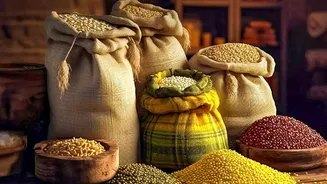
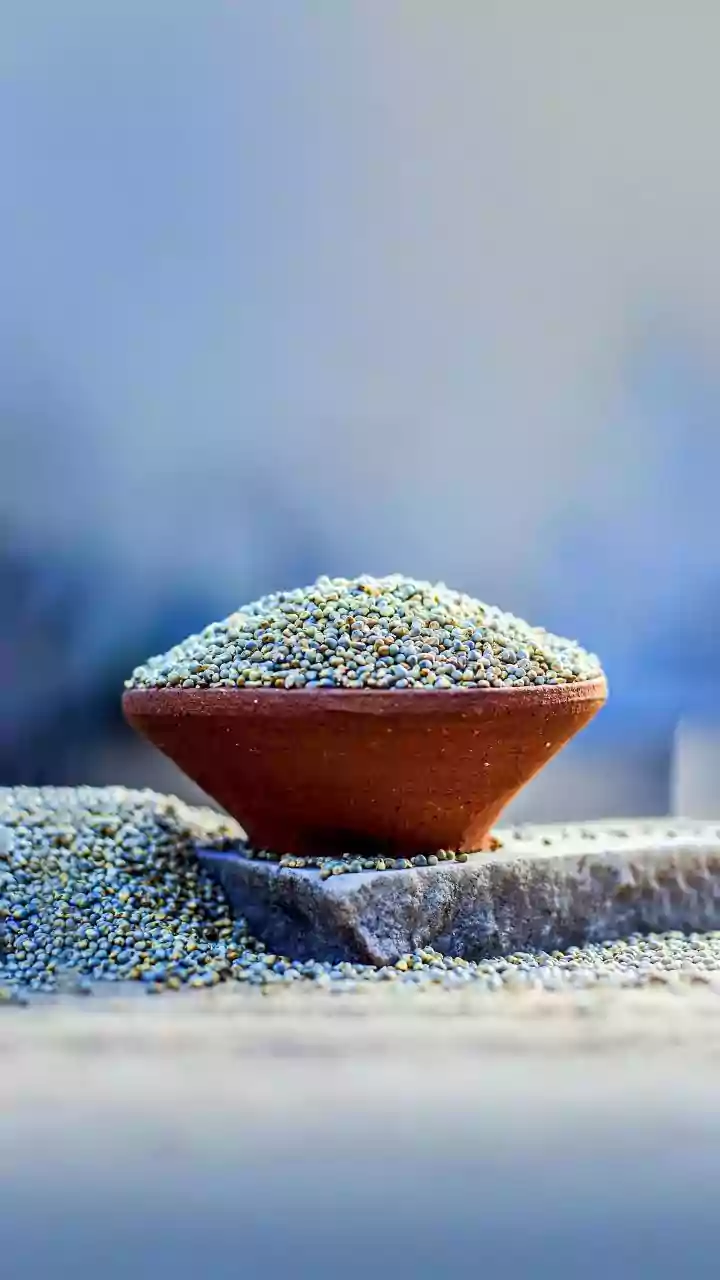
The journey of a traditional grain like jowar (sorghum), bajra (pearl millet), or ragi (finger millet) begins long before it reaches your shelf. After harvesting, the grains undergo primary processing. This starts with cleaning and grading, where machines
like aspirators and destoners remove dust, stones, and other debris. The moisture level of the grains is also crucial and is often managed by sun-drying for a couple of days. This initial stage is vital for ensuring quality and preparing the grains for the next steps, which significantly alter their nutritional profile and cooking properties.
The Great Debate: Hulled vs. Unhulled
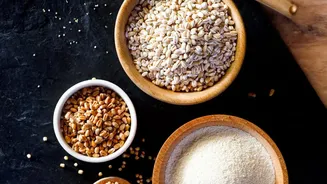
You'll often see terms like 'hulled' or 'dehulled' on packages of smaller millets like foxtail and kodo. Unlike sorghum or pearl millet, these smaller varieties have a tough, indigestible outer husk that must be removed to be edible. Dehulling can be done using impact or shear force, traditionally with pounding or stone grinding. However, it's a delicate balance. The goal is to remove the outer husk while keeping the nutritious bran layer intact. Grains that retain this layer are considered 'unpolished' and are much healthier.
Why 'Polished' Is a Red Flag
Polishing is the process that turns brown rice into white rice, and a similar process is applied to many millets. This refining step strips away the bran and the germ, leaving behind the starchy endosperm. While this makes the grain look smoother, cook faster, and last longer on the shelf, it comes at a significant nutritional cost. The bran and germ contain most of the grain's dietary fibre, vitamins (like B vitamins), and minerals. Studies show that polishing millets significantly reduces their fibre, protein, and mineral content, which is why nutritionists often advise choosing unpolished varieties. Many products are even marketed with health claims like 'rich in dietary fibre' despite being polished.
Understanding Flours: Stone-Ground vs. Roller-Milled
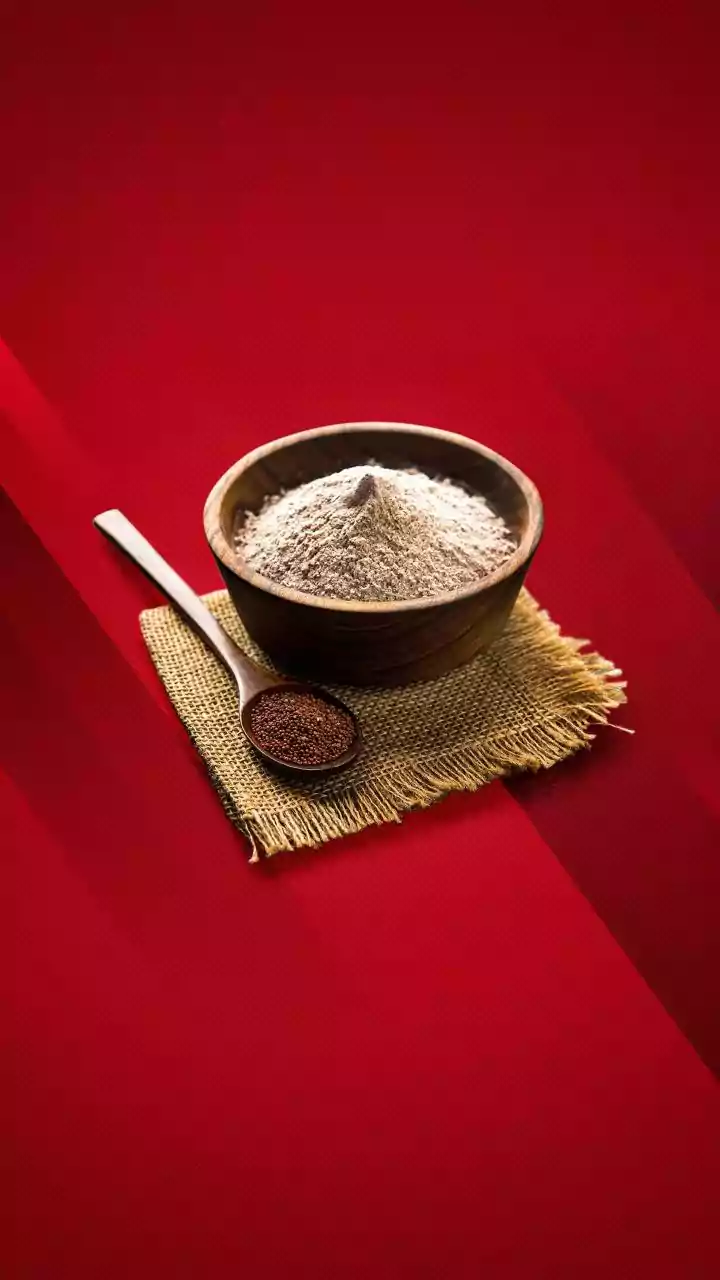
When grains are turned into flour, the milling method matters immensely. Traditional stone-grinding uses two heavy stones to slowly crush the entire grain kernel—bran, germ, and endosperm—together. This low-heat process helps preserve the natural oils and nutrients. In contrast, modern roller-milling uses high-speed steel rollers that strip away the bran and germ first to create a fine, uniform flour with a longer shelf life. While some nutrients may be added back later, stone-ground flour generally retains more of the whole grain's integrity and flavour. However, because it contains the natural oils from the germ, stone-ground flour has a shorter shelf life and should be stored in a cool place.
Decoding the Packaging
The final step is packaging, which protects the grain from moisture, pests, and spoilage. Simple woven polypropylene (PP) bags are common and offer good breathability for whole grains. Laminated or multi-layer bags provide an airtight seal, which is better for flours to prevent them from going rancid. You might also see vacuum-sealed packs or hermetic bags, which offer excellent protection by removing air and locking in freshness, aroma, and the ideal moisture level. While a simple bag might be cheaper, higher-quality packaging can significantly extend the shelf life and preserve the nutritional quality of the grain, especially for minimally processed flours and millets that are more prone to spoilage.