



Beyond the King of Mangoes
For decades, India's mango export story has been dominated by a handful of premium varieties, with the Alphonso reigning supreme. While this 'king of fruits' has a loyal global following, its dominance has sometimes overshadowed the incredible diversity
of the 1,000-plus mango varieties grown across the country. India is the world's largest mango producer, yet its share of the global export market remains relatively small due to challenges like perishability, high freight costs, and intense competition. Diversifying the export basket is crucial for growth, and this is where late-season varieties like Neelam and Totapuri are changing the game. By extending India's export window beyond the peak season, they are capturing new demand and creating fresh opportunities.
The Sweet Promise of Neelam
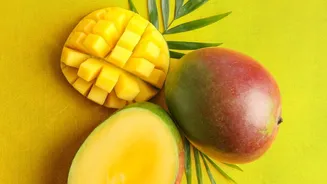
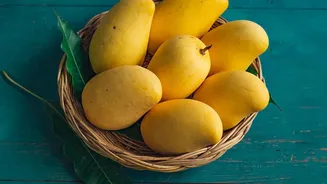
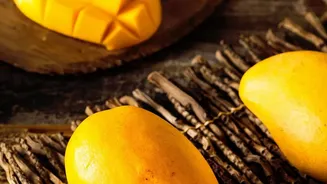
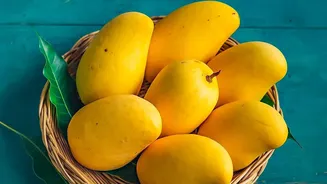
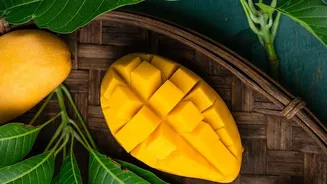
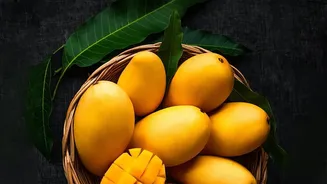
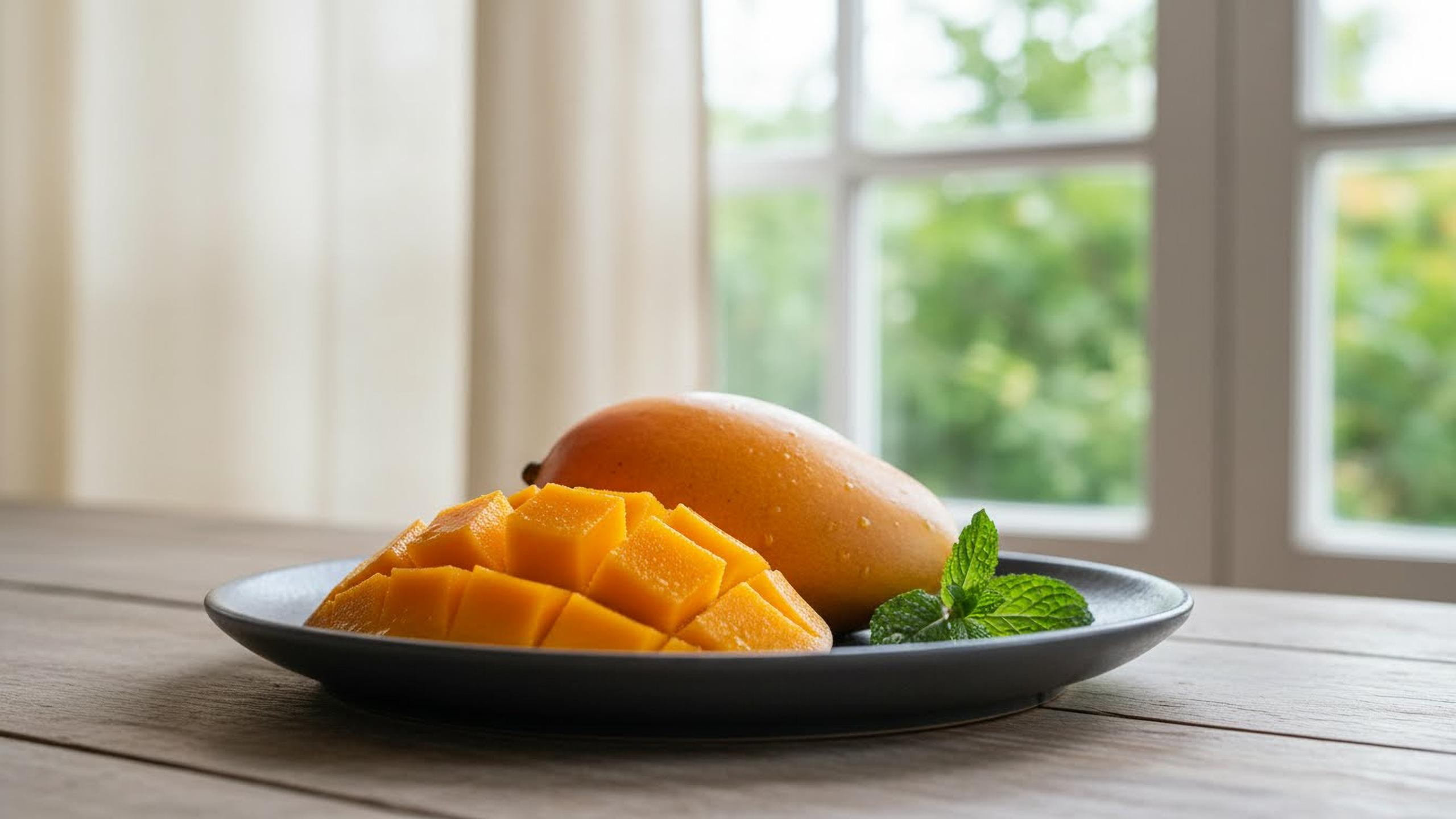
The Neelam mango is a gem of South India, cherished for its rich, aromatic pulp and sweet, juicy flavour. Unlike many varieties that have a short shelf life, the Neelam is a late-season star, typically harvested from late June through July. This unique timing allows it to enter the market when other popular varieties are finishing their season, effectively extending India’s presence in international markets. Its vibrant golden-yellow skin and fibreless texture make it perfect for fresh consumption, as well as for desserts, smoothies, and juices. The recent successful air shipment to the Maldives, facilitated by the Agricultural and Processed Food Products Export Development Authority (APEDA), marks a significant step in promoting this Karnataka native to a wider audience.
Totapuri: The Processing Powerhouse
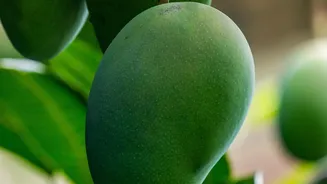
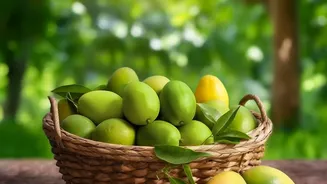
Instantly recognizable by its parrot-beak shape, the Totapuri mango is less a table fruit and more an industrial workhorse. While it can be eaten fresh, its true value lies in its exceptional suitability for processing. With a higher pulp content, smaller seed, and a desirable sweet-tangy flavour, the Totapuri is the go-to variety for making mango pulp, puree, and concentrate. In fact, processed mango products are a massive export category for India, often exceeding the value of fresh mango exports. Totapuri pulp is a key ingredient for major international food and beverage companies, ending up in juices, yogurts, and other products sold across the globe. By focusing on this variety, Karnataka's farmers are tapping into a stable, large-scale global supply chain.
A Landmark Shipment and its Impact
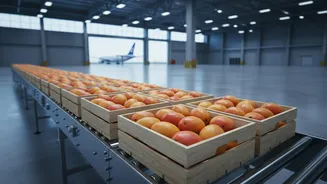
The recent export of one metric tonne of Neelam and Totapuri mangoes from Karnataka to the Maldives on July 30, 2026, was more than just a single transaction; it was a strategic success. Facilitated by APEDA, the shipment was sourced directly from farmers of the Prakruthimaya Farmers Producer Company (FPC) in Kolar district. This direct linkage had a profound economic impact. Farmers, who were previously getting as little as ₹3-4 per kg for Totapuri in local markets plagued by low prices, received ₹30 per kg through this export deal. Neelam fetched ₹72 per kg, more than double its local market price. This initiative not only provided over 50% higher returns to farmers but also highlighted the growing role of women entrepreneurs in the agri-export ecosystem, as the shipment was handled by a newly registered woman exporter.
The Road Ahead for India's Mangoes
The success of the Neelam and Totapuri shipment is a promising blueprint for the future. It demonstrates how focusing on lesser-known, region-specific varieties and strengthening farmer-exporter linkages can yield significant dividends. APEDA has been actively working to expand India's agricultural export basket, which has grown from around 280 products to nearly 500 in the last decade. By promoting these late-season mangoes, India can build a more resilient and diverse export portfolio that is less reliant on a single variety or a narrow harvest window. This move helps mitigate risks for farmers, creates sustainable income, and solidifies India's reputation as a source of diverse, high-quality horticultural produce on the world stage.