





A Landmark Achievement
The announcement, made on Global Tiger Day, confirms a remarkable turnaround for a species once on the brink. The new estimate of 429 tigers represents a significant jump from 355 in 2022 and a nearly four-fold increase from just 121 tigers recorded in 2009.
This sustained growth solidifies Nepal's reputation as a global leader in wildlife conservation. The country has not only met but vastly exceeded its 2010 pledge to double its tiger numbers, a goal many other nations struggled to achieve. This success story is concentrated in the Terai Arc Landscape, a sprawling network of forests and grasslands along Nepal's southern border with India.
The Blueprint for Success
Nepal's triumph is not accidental but the result of a multi-pronged strategy sustained over 15 years. A critical element has been the government's strong political will, which translated into robust anti-poaching patrols conducted by the Nepal Army and dedicated park staff. Equally important has been the focus on community stewardship. Conservation programs have worked to involve local communities, who live alongside these powerful predators, by sharing tourism revenue and creating alternative livelihood programs. These initiatives help ensure that the people most affected by conservation also see its benefits. Furthermore, significant efforts have been made to restore and protect vital tiger habitats and the wildlife corridors that connect them, allowing the big cats to roam and establish new territories.
Counting the Stripes
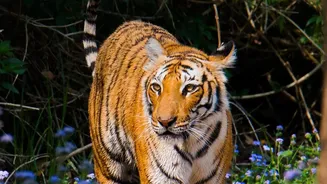
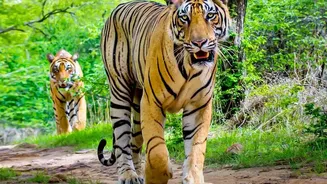
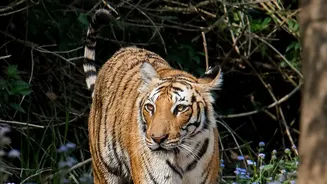
The census itself is a massive scientific undertaking. Led by the Department of National Parks and Wildlife Conservation, the survey was conducted over several months, covering thousands of square kilometers of challenging terrain. Researchers deployed thousands of camera traps across Nepal's five national parks where tigers are known to live. Tigers have unique stripe patterns, similar to a human fingerprint. By analyzing the images captured, experts can identify individual animals, estimate population density, and track their movement. This data is crucial not only for an accurate headcount but also for understanding prey availability and overall habitat health, which guides future conservation strategies.
An Uneven Recovery and New Challenges
While the national trend is overwhelmingly positive, the recovery has been uneven. The latest census showed population increases in four of the five tiger-bearing national parks, with Parsa and Banke National Parks showing dramatic growth. However, Bardiya National Park, the nation's second-largest tiger habitat, saw a slight decline from 125 tigers in 2022 to 112. More significantly, a larger tiger population inevitably leads to a new and urgent challenge: human-wildlife conflict. As tigers expand their territories, they increasingly come into contact with human settlements, leading to livestock predation and, tragically, attacks on people. Managing this interface and ensuring the safety of local communities is now the most critical aspect of ensuring long-term coexistence.
A Shared Victory for the Region
Nepal's achievement is a win not just for the nation, but for the entire region. The Terai Arc Landscape is a transboundary ecosystem shared with India, which is home to the world's largest tiger population. The health of tiger populations in parks like Parsa, Banke, and Shuklaphanta is directly linked to the forests across the border in India. This makes cross-border cooperation on anti-poaching and habitat management essential for the long-term survival of the species. Nepal's success provides a powerful and replicable model for other tiger-range countries, demonstrating that with political will, scientific monitoring, and community involvement, it is possible to bring these magnificent animals back from the edge.