





The Hydration Showdown
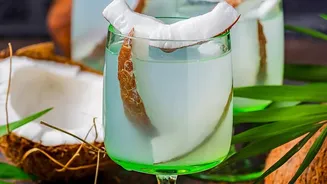
When it comes to pure, fast-acting hydration, coconut water often takes the lead. It is naturally rich in electrolytes like potassium, magnesium, and sodium, which are crucial for replenishing fluids lost through sweat, especially in hot weather or after
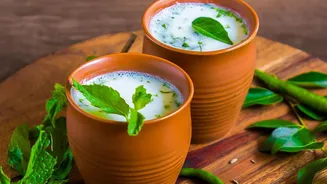
light exercise. Often called a 'natural isotonic drink', it helps restore the body's fluid balance quickly. Buttermilk, or chaas, is also an effective hydrator with a high water content and electrolytes like potassium. However, its strength lies in sustained hydration and cooling the body. While coconut water is ideal for a quick electrolyte boost, buttermilk helps replace sodium lost during heavy sweating and offers a more prolonged cooling effect.
A Nutritional Deep Dive
Nutritionally, the two drinks serve different purposes. Coconut water is significantly lower in calories, with about 18-46 calories per 100 grams, compared to buttermilk's 62-98. This makes coconut water a lighter option for those watching their calorie intake. On the other hand, buttermilk is richer in protein, calcium, and several B vitamins, including B12. It is an excellent source of calcium, crucial for bone health, containing about 15 times more than coconut water. While coconut water boasts more Vitamin C, buttermilk often provides Vitamin A and D. Store-bought versions of both can have added sugars, so it's always best to opt for fresh, unsweetened varieties.
Gut Feeling: Probiotics vs. Enzymes
Here, buttermilk has a clear advantage. As a fermented drink, it is a natural source of probiotics—beneficial bacteria that support gut health and aid digestion. Consuming chaas, especially after a meal, can help reduce bloating and acidity. The lactic acid in buttermilk helps balance the stomach's pH and promotes a healthy gut microbiome, which can in turn boost immunity. Coconut water does not contain probiotics, but it does have natural digestive enzymes that can aid digestion. It's also a suitable option for those with lactose intolerance who may find buttermilk difficult to digest, although the fermentation process in buttermilk does lower its lactose content.
When to Drink Which?
The ideal time to consume each drink depends on your activity and needs. Coconut water is perfect for pre- or post-workout hydration, or after spending time in the sun, as it efficiently replenishes electrolytes. Drinking it on an empty stomach can maximize its hydration benefits. Buttermilk shines as a post-meal beverage, particularly after lunch. Its probiotic content aids digestion and its cooling properties help regulate body temperature, making it a soothing drink during the hottest part of the day. For daily hydration, some experts suggest alternating between the two to get the benefits of both.
The Practicality Test: Cost and Convenience
In India, cost and availability are significant factors. Buttermilk is generally more affordable and widely available, whether made at home or purchased from local dairies and stores. A glass can cost between ₹20 to ₹50. Fresh coconut water, while available across the country, is often more expensive, with prices ranging from ₹40 to over ₹100 per coconut, depending on the city and location. Packaged versions of both are available, but fresh is always recommended for maximum nutritional benefit and to avoid preservatives and added sugars.