








The Gut-Brain Connection
Before diving into poses, it’s helpful to understand why yoga works. Our gut and brain are in constant communication. When we feel stressed, our body enters a 'fight or flight' mode, which can slow down or disrupt digestion. Yoga helps activate the 'rest
and digest' system, also known as the parasympathetic nervous system. Through mindful breathing and movement, yoga can calm the nervous system, reduce stress, and encourage the digestive tract to function more efficiently.
How Poses Provide Relief
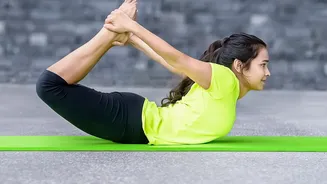
Specific yoga postures can act like an internal massage for your digestive organs. Twisting poses gently compress and then release the intestines, which can stimulate blood flow and help move trapped gas along. Forward folds apply gentle pressure to the abdomen, while poses that stretch the belly create space and can improve circulation to the digestive organs. This combination of calming the mind and physically stimulating the gut is what makes yoga a powerful ally against bloating.
Wind-Relieving Pose (Pawanmuktasana)
As its name suggests, this pose is specifically designed to help release trapped gas. To practice it, lie on your back and gently draw both knees toward your chest, wrapping your arms around your shins. You can hold this pose steadily or add a gentle rock from side to side to massage your lower back and abdomen. Hold for at least five deep breaths before releasing your legs back to the floor. This pose directly compresses the ascending and descending colon, encouraging movement.
Cat-Cow Pose (Marjaryasana-Bitilasana)
This dynamic movement is excellent for warming up the spine and gently massaging your internal organs. Start on your hands and knees, with wrists under shoulders and knees under hips. As you inhale, drop your belly, lift your chest and tailbone, looking slightly forward (Cow Pose). As you exhale, round your spine toward the ceiling, tucking your chin and tailbone (Cat Pose). Continuing this gentle flow for five to ten rounds helps improve circulation and can ease abdominal discomfort.
Supine Spinal Twist (Supta Matsyendrasana)
Twists are fantastic for 'wringing out' the digestive organs and promoting motility. Lie on your back, draw your right knee into your chest, and then guide it across your body to the left side, letting it rest on the floor or a cushion. Extend your right arm out to the side and turn your head to look toward your right hand. This pose works with the natural path of your large intestine, helping things move in the right direction. Hold for several breaths before repeating on the other side.
Child's Pose (Balasana)
Child's Pose is a resting posture that provides gentle compression to the abdomen, which can be very soothing when you feel bloated. Kneel on the floor, sit back on your heels, and fold forward, resting your forehead on the mat. Your arms can be extended in front of you or rest alongside your body. Breathing deeply into your belly in this position allows your thighs to gently press against your abdomen, which can help encourage the release of gas and ease tension.
Beyond the Yoga Mat: Simple Habits
While these poses offer targeted relief, integrating them into a broader wellness routine provides the most sustainable results. Bloating is often influenced by daily habits, so pairing your yoga practice with other mindful choices is key for long-term digestive health. Think of yoga as one tool in a comprehensive toolkit for feeling your best.
Mindful Eating and Hydration
How you eat is just as important as what you eat. Eating too quickly can cause you to swallow excess air, leading to bloating. Practice mindful eating by chewing your food thoroughly and sitting down for meals in a relaxed environment. Staying well-hydrated with water throughout the day is also crucial, but try to avoid drinking large amounts with meals. Some find that sipping warm water or herbal teas like ginger, peppermint, or fennel after a meal can be particularly soothing for digestion.
The Role of Diet and Movement
Certain foods are more likely to cause gas and bloating for some people. Keeping a simple food diary can help you identify personal triggers. Incorporating fiber-rich foods is important for regularity, but increasing your intake too quickly can sometimes worsen bloating, so do it gradually. Finally, don't underestimate the power of simple movement. A 15- to 30-minute walk, especially after a meal, can do wonders for stimulating digestion and preventing that uncomfortable, heavy feeling.