






A Catastrophe Unfolds in Nepal
On August 26, a devastating flash flood tore through Nepal's Rasuwa district, near the border with Tibet. Preliminary investigations suggest a massive chunk of a glacier broke off, triggering an ice-rock avalanche that temporarily dammed a river before
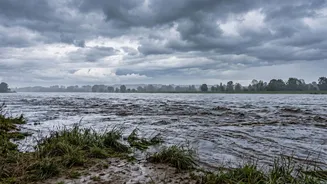
releasing a torrential surge of water and debris downstream. The deluge along the Bhote Koshi and Trishuli river systems caused immense destruction, sweeping away homes, bridges, and hydropower projects. The death toll has climbed into the hundreds, with many more, including foreign tourists and Indian pilgrims, reported missing. As rescue operations continue in the mountainous terrain, authorities in Nepal have warned of further risks from debris-clogged rivers.
Bihar and Uttar Pradesh on High Alert
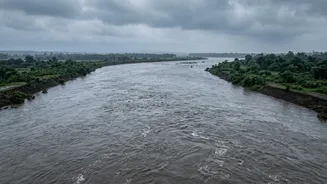
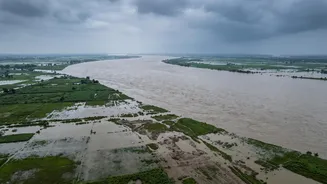
The disaster in Nepal immediately triggered alarms in India. Authorities in Bihar and Uttar Pradesh, which share a border with Nepal, have put several districts on high alert. In Bihar, an alert was sounded for nine districts, including West Champaran, East Champaran, Gopalganj, Sitamarhi, and Supaul. These areas lie in the basin of the Gandak and Kosi rivers, which are expected to swell from the floodwaters flowing down from Nepal. In Uttar Pradesh, the districts of Maharajganj and Kushinagar are on high alert, with officials closely monitoring the Gandak and Narayani rivers. Public announcements have been made in vulnerable areas, and some residents near riverbanks have been evacuated to safer locations as a precautionary measure.
The Cross-Border River Challenge
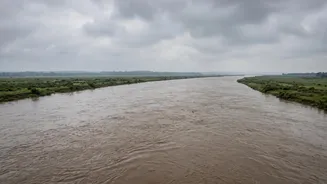
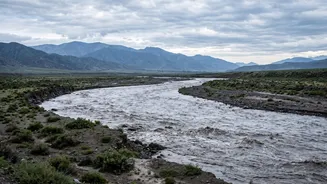
This situation is a stark reminder of a shared geographical reality: hydrologically, India and Nepal are part of a single, interconnected system. Major rivers like the Gandak, Kosi, Ghaghara, and Rapti originate in the high Himalayas of Nepal and flow down into the densely populated Gangetic plains of Bihar and Uttar Pradesh. The Bhote Koshi in Nepal flows into the Trishuli, which in turn feeds the Gandak river in India. This transboundary network means that a major event like a glacial outburst or extreme rainfall in the upper catchment areas of Nepal can have a direct and rapid impact on communities downstream in India. This recurring monsoon-season challenge underscores the vulnerability of millions who live along these shared river basins.
A Coordinated and Pre-emptive Response
Indian authorities have moved swiftly to prepare for the potential impact. The National Disaster Response Force (NDRF) has deployed multiple teams across Bihar and Uttar Pradesh to assist state governments with evacuation and relief operations if needed. As of Thursday, the NDRF reported that there had been no adverse impact on the Indian side, but monitoring continues. High-level meetings have been held, with Union Home Minister Amit Shah assuring Bihar's Chief Minister of all possible central assistance. Engineers are closely monitoring embankments and barrages, particularly the Valmikinagar Barrage on the Gandak river, to manage the water flow. Leave for key personnel in Bihar's water resources department has been cancelled to ensure round-the-clock vigilance. India has also dispatched humanitarian aid and relief materials to Nepal to support its response to the crisis.