





A Diplomatic Gift, A Renewed Tradition
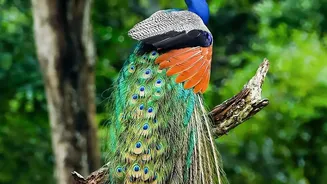
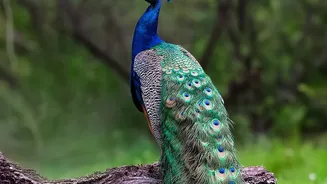
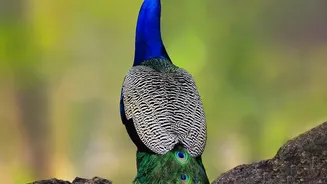
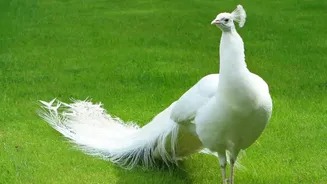
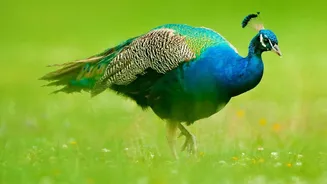
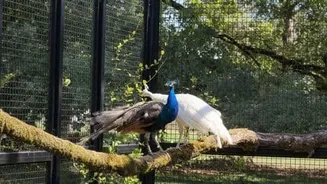
In a special ceremony in early August 2026, India formally gifted five young peacocks to the United Nations Office at Geneva (UNOG). The birds—four blue and one rare white male—were handed over by India's Permanent Representative, Arindam Bagchi, to the UNOG Director-General,
Tatiana Valovaya. This gesture revives a decades-old tradition, marking the second time India has made such a donation; the first was a breeding pair sent by then-Prime Minister Indira Gandhi in 1981. The timing is significant, as the peacock population in UNOG's Ariana Park had dwindled to a single bird. Officials noted the symbolic nature of the birds' colours, reflecting the blue and white of the United Nations itself. The donation was described as underscoring India's commitment to multilateralism and its long-standing partnership with the UN.
The Peacock as a Cultural Ambassador
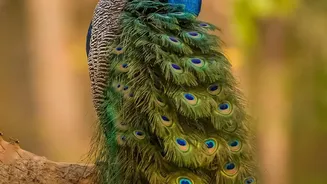
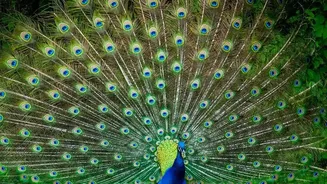
The choice of the peacock is deeply intentional. As India's national bird since 1963, the peacock is a potent symbol of grace, beauty, and pride, woven into the fabric of the nation's identity. Its significance is rooted in centuries of mythology and culture. In Hinduism, the peacock is the sacred vehicle for Kartikeya (or Murugan), the god of war, and its feathers are famously associated with Lord Krishna's crown. Across various traditions, it represents nobility, holiness, and protection from negative energies. This reverence is not confined to India; the peacock is also a significant motif in Sri Lankan Buddhist and Hindu traditions, symbolizing wisdom and victory. By gifting these birds, India is exporting a living piece of its rich cultural and religious heritage, turning the peacocks into what some have called the "most dazzling diplomats in Geneva."
A Feather in the Cap of Animal Diplomacy
This donation is a classic example of "animal diplomacy," a soft-power strategy used for centuries to foster goodwill between nations. Much like China's famed "panda diplomacy" or Australia's "koala diplomacy," gifting culturally significant animals serves as a powerful symbol of friendship and cooperation. India has a history of this practice, having gifted elephants to more than 20 countries. These gestures are more than just photo opportunities; they can facilitate deeper cooperation on other fronts, from environmental partnerships to economic ties. This act follows other recent Indian initiatives in wildlife diplomacy, such as the reintroduction of cheetahs to the country and discussions to translocate gaur (Indian bison) to Sri Lanka, signalling a commitment to using shared biodiversity as a tool for international goodwill.
A Message of Conservation
While the Indian Peafowl (Pavo cristatus) is listed as a species of "Least Concern" by the International Union for Conservation of Nature (IUCN) and has a thriving population, the donation also carries a conservation message. The Indian Mission stated that the peacock represents India's "enduring commitment to the conservation of biodiversity and environmental stewardship." Though not endangered, the species faces threats from poaching and habitat loss. In India, the peafowl is protected under Schedule I of the Wild Life Protection Act, 1972. The birds donated to the UN will be cared for by the Geneva Bioparc and, after an acclimation period, will roam freely in the 46-hectare Ariana Park, a protected green space that has been home to peacocks for over a century. This act subtly showcases India's successful conservation of its national bird while contributing to the biodiversity of the UN's own historic park.