





More Than Just Rice and Lentils
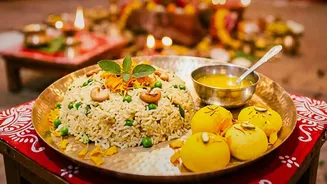
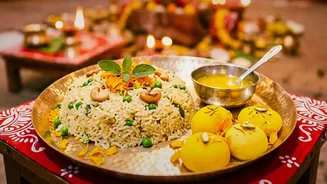
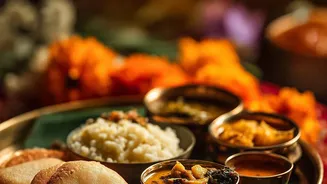
At its core, Bhoger Khichuri is a simple, one-pot meal. However, it is fundamentally different from the everyday khichdi enjoyed across India. The festive version is strictly 'niramish', prepared without onions or garlic, making it a ritually pure offering
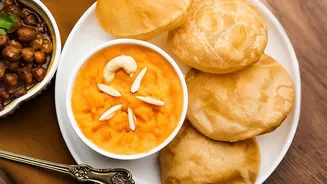
for the goddess. The magic begins with fragrant Gobindobhog rice, a short-grained, aromatic variety that is key to its distinctive flavour. This is combined with moong dal that has been dry-roasted until it releases a nutty aroma. The rice and lentils are then slow-cooked with seasonal vegetables like potatoes, cauliflower, and green peas, and seasoned with a blend of spices including ginger, cinnamon, cloves, and bay leaves. A generous dollop of ghee at the end elevates it from a simple meal to a divine preparation.
From Bhog to Prasad: A Sacred Transformation
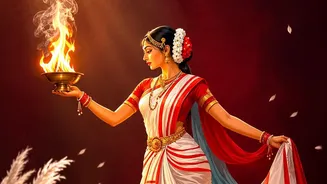
The term 'Bhog' refers to the food offered to a deity as part of a sacred ritual. During Durga Puja, especially on the days of Saptami, Ashtami, and Navami, this specially prepared khichuri is first offered to Goddess Durga. This act of offering, or 'naivedya', is an expression of devotion and gratitude. It is believed that once the deity has partaken of the meal, the food becomes 'prasad' — a sanctified substance infused with divine grace. This transformation is central to its significance. The khichuri is no longer just food; it becomes a blessed offering. Consuming prasad is considered an act of receiving the deity's blessings, purifying the mind and soul. This spiritual process is what makes Bhoger Khichuri taste, as many devotees will attest, unlike any other khichuri.
The Great Community Equaliser
Perhaps the most important role of Bhoger Khichuri is its power to unite. In community pandals, the prasad is distributed freely to everyone present. People from all walks of life—regardless of age, caste, or social standing—sit together in rows, often on the floor, waiting for their turn to be served on simple leaf plates. In this moment, all distinctions dissolve. The pandal becomes a space of profound equality and shared experience. This communal feast embodies the spirit of 'sarbojonin' or 'for everyone' Durga Puja. Volunteers work tirelessly to cook in massive cauldrons and serve hundreds, sometimes thousands, of people. This act of serving is a form of 'seva' or selfless service, reinforcing the festival’s message of togetherness and generosity.
A Taste of Home and Nostalgia
For Bengalis, the flavour of Bhoger Khichuri is deeply tied to memory and nostalgia. It evokes cherished childhood memories of pandal hopping with family, waiting in queues, and the simple joy of a shared festive meal. For those living away from Bengal, the taste of Bhoger Khichuri at a local Durga Puja celebration is a powerful connection to their roots and cultural identity. Bengali associations across India and the world make it a point to organise the traditional bhog, creating a familiar atmosphere that feels like home. A single spoonful can transport someone back to the autumns of their youth, making it much more than just a festive dish; it is an edible link to one's heritage.