
The Origin: One Plant, Two Paths
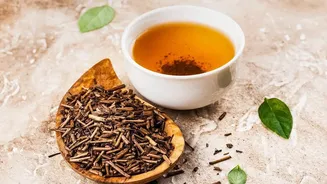
At first glance, the vibrant green of Matcha and the reddish-brown of Hojicha suggest they are from different worlds. Surprisingly, both originate from the Camellia sinensis plant, the same source of all true teas. Their dramatic differences in colour,
aroma, and taste are born from their unique journeys after harvest. Think of them as siblings with distinct personalities, one shaped by shade and grinding, the other by fire and roasting.
Matcha: The Bright Green Powerhouse
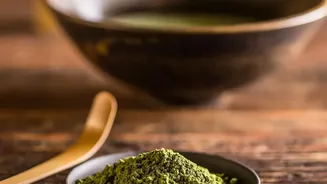
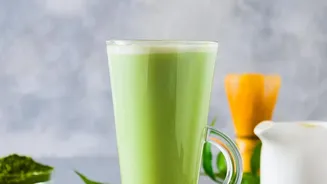
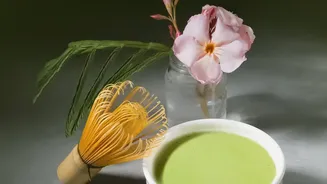
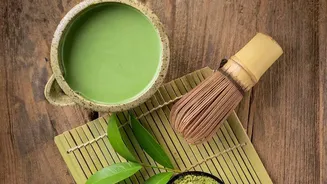
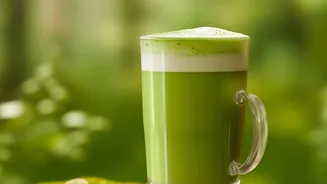
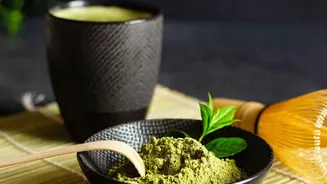
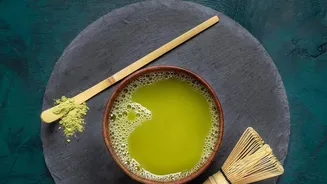
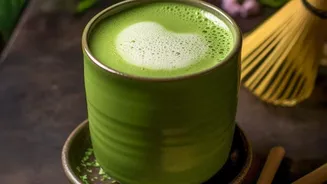
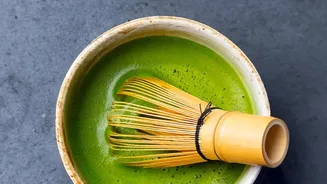
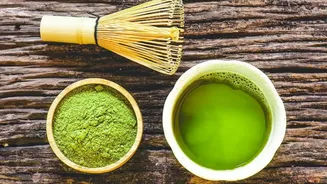
Matcha’s story is one of meticulous care. Tea plants are shaded for several weeks before harvest, boosting their chlorophyll and L-theanine content. This gives Matcha its signature brilliant green colour and deep umami flavour. After picking, the young leaves are steamed to halt oxidation, de-veined, and then slowly stone-ground into an ultra-fine powder. Because you consume the entire leaf, you get a concentrated dose of everything the plant has to offer.
Hojicha: The Toasty, Comforting Cousin
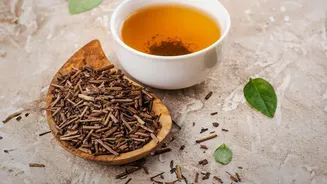
Hojicha's character is forged in heat. It was developed in Kyoto in the 1920s and is defined by its roasting process. Typically, more mature tea leaves, stalks, and stems are roasted at high temperatures, often over charcoal. This crucial step transforms the leaves, turning them a warm, reddish-brown and creating a comforting, toasty aroma. The roasting process is what gives Hojicha its unique identity, entirely different from a typical green tea.
The Taste Test: Umami vs. Toasted
This is where the two teas diverge most dramatically. Matcha offers a complex flavour profile that is grassy, vegetal, and packed with a savoury 'umami' richness, with a slightly sweet finish. Hojicha, in contrast, has almost no bitterness. The roasting process creates warm, comforting notes of nuts, caramel, and toast. Its smooth, mellow, and slightly sweet flavour can be very approachable, especially for those who find traditional green tea too astringent.
The Caffeine Question: Energise or Unwind?
Your choice might simply depend on the time of day. Matcha is significantly higher in caffeine, often compared to about half a cup of coffee. The presence of L-theanine provides a unique 'calm alertness' without the jitters, making it a popular choice for a morning boost or afternoon focus. Hojicha is the clear winner for a late-afternoon or evening cup. The roasting process breaks down much of the caffeine, resulting in a brew that is soothing and relaxing, making it an ideal choice for those who are caffeine-sensitive.
Which One Is for You?
In the growing world of specialty teas in India, there’s a cup for every mood. Choose Matcha when you want a vibrant, energising experience, a focused mind, or a powerful dose of antioxidants. It's perfect for a morning ritual to start your day. Reach for Hojicha when you crave warmth, comfort, and relaxation without the caffeine kick. Its gentle, roasted flavour makes it a perfect, soothing companion for a quiet evening or a gentle pick-me-up after a meal.