







The Pervasive Problem of Adulteration
Milk adulteration is the practice of deliberately adding substances to increase volume, extend shelf life, or mask poor quality. The most common adulterant is water, which dilutes the milk's nutritional value. To compensate for the thinness, sellers may
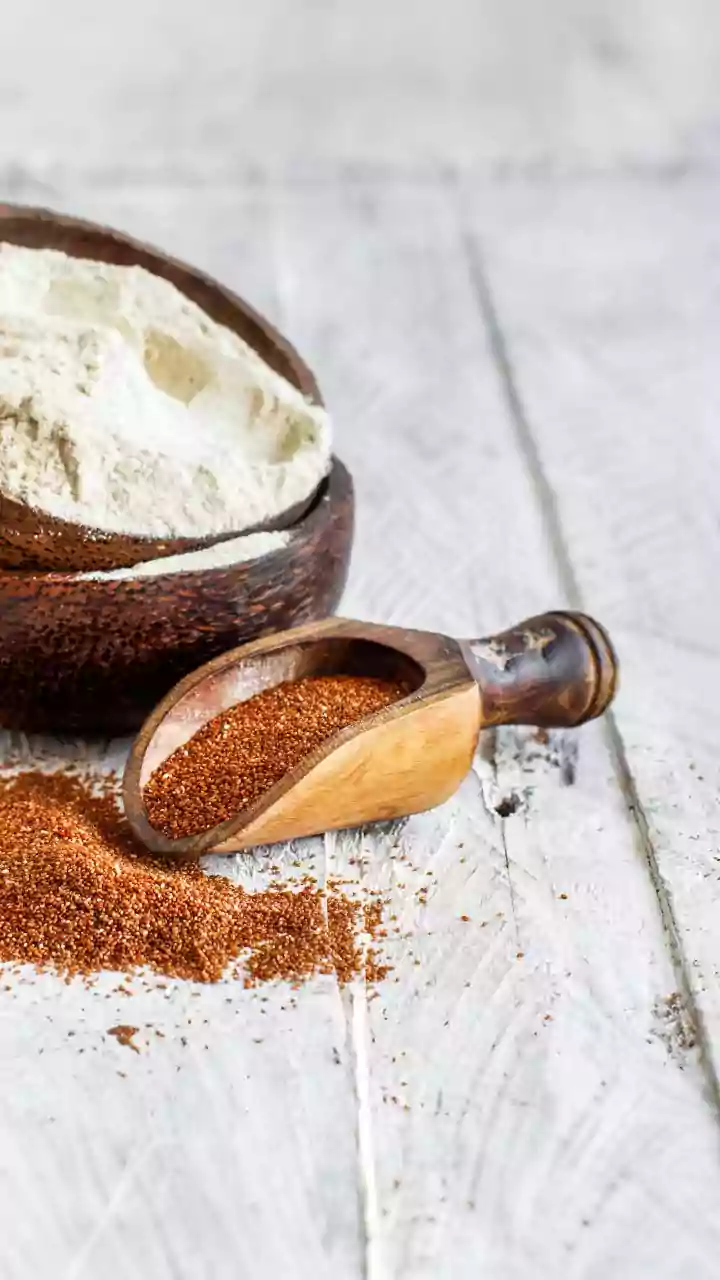
add starch, flour, or even detergent to restore thickness and froth. More hazardous chemicals like urea, formalin, and hydrogen peroxide are sometimes used as preservatives, posing serious health risks that can range from gastrointestinal problems to organ damage with long-term consumption. These unethical practices are driven by profit but come at a high cost to consumer health and trust.
Simple Home Test 1: Detecting Water
The most common form of adulteration is also one of the easiest to check. This simple method, often called the slip or slope test, requires nothing more than a polished surface. Place a drop of milk on a clean, slanted plate or steel surface. Pure milk will flow slowly, leaving a distinct white trail behind it. Milk that has been diluted with water will run down the surface quickly without leaving much of a mark.
Simple Home Test 2: Checking for Starch
Starch is often added to watered-down milk to increase its thickness and solids content. You can easily detect it using iodine, which is available at most pharmacies. First, take a small sample of milk (about 2-3 ml) and boil it thoroughly. Let it cool down to room temperature. Then, add two to three drops of tincture of iodine. If the milk turns blue or purplish, it confirms the presence of starch.
Simple Home Test 3: Spotting Detergent
Detergent may be added to create a frothy appearance, mimicking the richness of pure milk. The Food Safety and Standards Authority of India (FSSAI) recommends a straightforward test. Take 5-10 ml of milk in a bottle or glass and shake it vigorously. If a dense, soapy foam or excessive bubbles form and persist, it indicates the presence of detergent. Unadulterated milk will produce very little foam, and any bubbles that do form will disappear quickly.
Beyond Adulteration: The Importance of Proper Storage
Even pure milk can become unsafe if stored improperly. The single most important factor for maintaining milk's safety and quality is refrigeration. Milk should be stored below 4°C to slow the growth of bacteria that cause spoilage. One of the most common mistakes is storing milk in the refrigerator door. The door is the warmest part of the fridge and is subject to frequent temperature fluctuations every time it's opened. For longer-lasting freshness, always store milk on a shelf towards the back of the fridge where the temperature is coldest and most stable. Keep the container sealed to prevent it from absorbing odours from other foods. Lastly, never return unused milk from a serving jug to the original container, as this can introduce bacteria and spoil the entire batch.