


A Human Tide at the Border
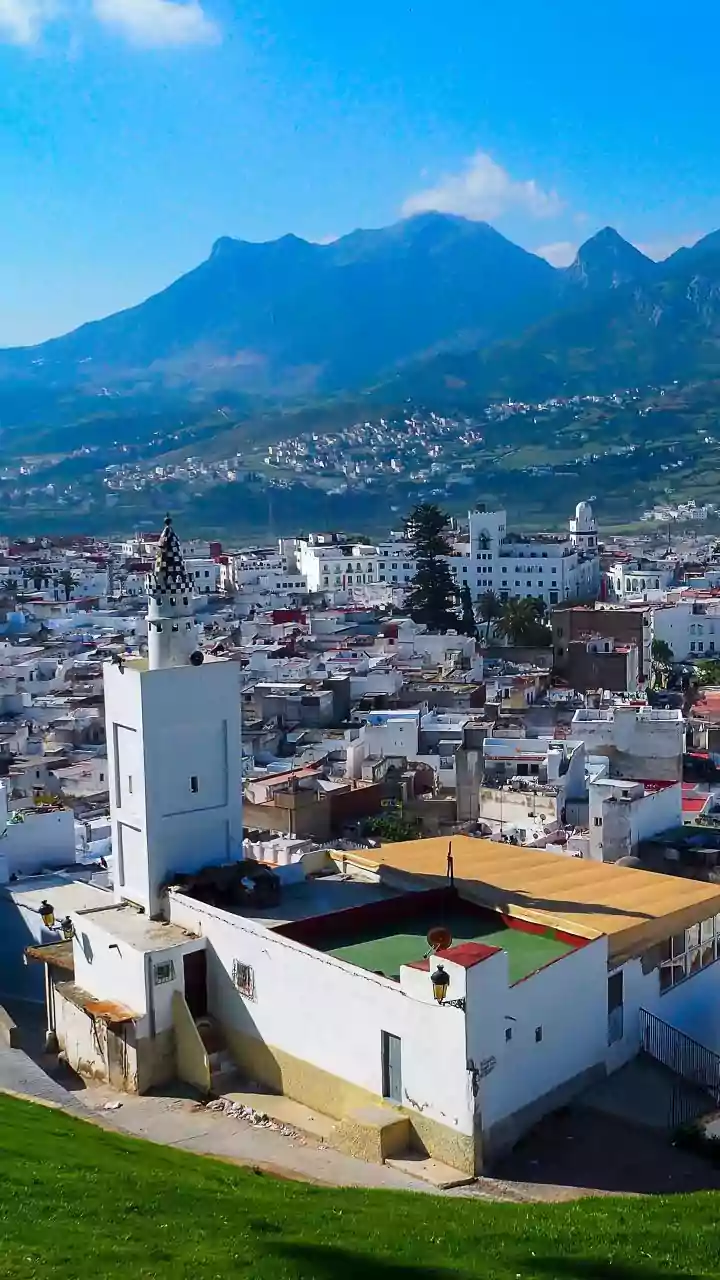
In a matter of days, the small Spanish city of Ceuta, located on the North African coast, was overwhelmed. Tens of thousands of people, estimated between 50,000 and 60,000, breached the border from neighbouring Morocco, many by swimming around the breakwaters
that extend into the Mediterranean Sea. The city of 85,000 was thrown into chaos, facing what its leaders called an “absolute humanitarian and social emergency”. The crossing proved deadly, with Spanish officials reporting dozens of fatalities from drowning or being crushed in the rush. Images of exhausted people, including unaccompanied minors, on Ceuta's beaches and streets captured global attention and quickly turned a border issue into a diplomatic firestorm.
Spain's Swift and Strained Reaction
Madrid responded immediately, deploying the military and additional police forces to help secure the border and manage the humanitarian situation. Working with Moroccan authorities, Spain managed to facilitate the return of the vast majority of migrants within 48 hours, with many going back voluntarily. While attempting to restore order, Spanish Prime Minister Pedro Sánchez also went on the offensive against his European peers. He denounced what he called a “selfish, polarizing and unlawful” reaction from some EU member states, accusing them of responding with “prejudice, fake news, ignorance, or political interest”. His government insisted it had acted responsibly to control an EU external border and expected solidarity, not condemnation.
The Moroccan Question
As with a similar but smaller crisis in 2021, questions immediately arose about Morocco's role. The leader of Ceuta, Juan Jesús Vivas, accused Moroccan authorities of, if not orchestrating the event, at least permitting it to happen by relaxing border controls. The incident was widely seen as Morocco using migration as a political lever in its complex relationship with Spain. For their part, Moroccan officials denied this, blaming the surge on misinformation that spread rapidly on social media following a Spanish Supreme Court ruling related to migrant returns. Regardless of the cause, the event underscored the fragility of Europe's reliance on neighbouring countries to manage migration flows.
The Hardline Bloc
The response from within the EU was far from unified. A bloc of hardline governments quickly emerged, led by Italy. Prime Minister Giorgia Meloni's government took the dramatic step of temporarily suspending the Schengen free-movement agreement with Spain, effectively reintroducing border controls for arrivals from the country. Italy’s foreign minister argued it was a necessary choice to safeguard national security. This position was vocally supported by other nations, including Denmark and Finland, with some politicians calling for Spain to be suspended from the Schengen Area altogether for what they deemed a failure to protect its external border. German Chancellor Friedrich Merz also took a stern line, demanding that Morocco immediately take back the migrants.
A More Measured Approach
Not all of Europe joined the chorus of condemnation. France, while expressing concern, took a more measured security approach. It bolstered police presence and surveillance along its own border with Spain to prevent onward movement but stopped short of Italy's move to suspend Schengen. Portugal also stated it saw no need to suspend Spain from the free-travel zone, even while it coordinated with Spanish authorities. This middle-ground response highlighted a different philosophy: one focused on containment and bilateral cooperation rather than punitive political measures. European Commission President Ursula von der Leyen called the situation “unacceptable” but also stressed the importance of the EU’s partnership with Morocco, signalling the Brussels establishment's desire to de-escalate the diplomatic row.