


The Anatomy of a Classic
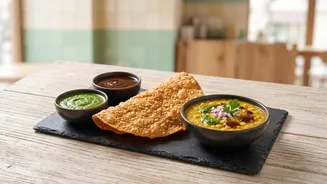
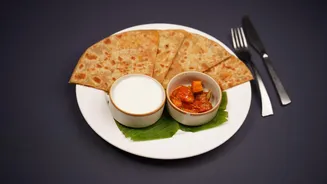
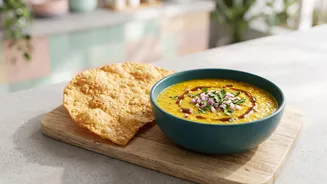
At its core, Dal Pakwan is a masterful study in contrasts. The 'Pakwan' is a deep-fried, crisp flatbread made from flour, often seasoned with cumin or carom seeds. To ensure it stays flat and cracker-like, the dough is pricked with a fork before frying,
preventing it from puffing up. The 'Dal' is typically made from chana dal (split Bengal gram), cooked until tender but not mushy, creating a creamy yet textured stew. This dal is subtly spiced and then garnished with chopped onions, fresh coriander, and a duo of sweet tamarind chutney and spicy green chutney, delivering a symphony of sweet, savoury, tangy, and spicy notes all at once.
A Dish Born from Necessity
Dal Pakwan is more than just a recipe; it's a story of resilience. Its origins trace back to the arid region of Sindh, now in Pakistan, where the climate demanded resourceful cooking. The Pakwan, with its low moisture content and long shelf life, was an ideal food for travelling traders and for households where daily cooking wasn't always feasible. After the partition in 1947, when a large part of the Sindhi community migrated to India, they carried their culinary traditions with them. Dal Pakwan became a symbol of this heritage, a taste of home that connected generations and preserved a cultural identity in a new land. It evolved from a dish of necessity into a celebrated meal for Sunday breakfasts and festive occasions.
The Street-Style Chaat Twist
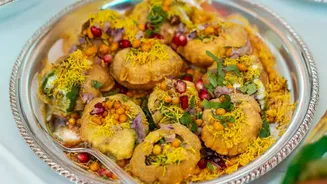
While the traditional way of serving involves dipping pieces of Pakwan into the dal, the streets have their own language. In recent years, a popular street-style innovation has transformed Dal Pakwan into a vibrant chaat. Vendors will often take a whole Pakwan, using it as a platter. They then layer it with not just the classic dal and chutneys, but also with additions like boiled potato pieces, chopped tomatoes, raw mango, and a generous shower of crispy sev. Some even break the pakwan into pieces and toss everything together in a bowl, creating a portable, spoonable snack that bursts with even more textures and flavours. This evolution from a sit-down breakfast to a quick, on-the-go chaat makes the dish more accessible and introduces it to a new audience, all without losing its soulful essence.
Beyond Dal Pakwan: A Glimpse into Sindhi Snacks
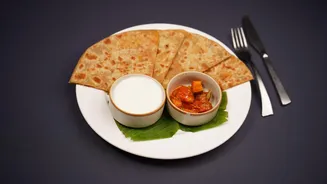
To truly understand Sindhi street food, one must look beyond its most famous export. The cuisine is rich with snacks that are bold, flavourful, and deeply satisfying. Koki, for instance, is a thick, rustic flatbread made with whole wheat flour, onions, and spices, often enjoyed for breakfast with yogurt or pickle. Then there's Seyal Bread, a savoury dish where leftover rotis are cooked in a flavourful mix of tomatoes and garlic. Aloo Tuk features double-fried potatoes tossed in spices, resulting in a snack that's crispy on the outside and fluffy on the inside. These dishes, much like Dal Pakwan, reflect a culinary tradition that is resourceful, comforting, and unapologetically delicious.