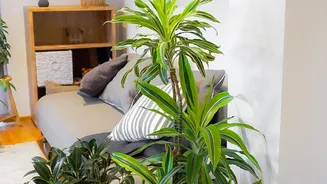




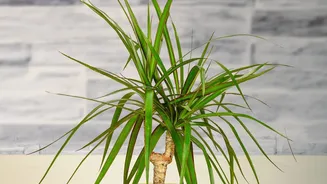
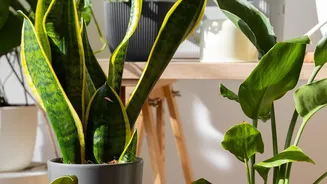

The idea that a few potted plants can scrub your home's air clean is a comforting thought. But as popular as these 'natural air purifier' lists are, the science they're based on is far more complicated and less applicable than you might think.
The Legend of the NASA Study
Almost every
article promoting air-purifying plants traces back to a single source: a 1989 NASA study. The research was conducted to find ways to clean the air in sealed environments like space stations. Scientists placed common houseplants, such as snake plants and peace lilies, into small, sealed plexiglass chambers and injected volatile organic compounds (VOCs) like benzene and formaldehyde. Over 24 hours, they observed that the plants did, in fact, remove a measurable amount of these chemicals from the sealed chambers. This finding, though accurate in its specific context, became the foundation for a widespread myth.
From Sealed Chamber to Living Room
The critical flaw in applying these findings to our homes is the difference between a small, sealed lab chamber and a typical room. Your home or office is not an airtight container; it has constant air exchange from open windows, doors, ventilation systems, and even small cracks. In the NASA experiment, the pollutants were trapped, giving the plants ample time to absorb them. In a real-world setting, this air exchange dilutes and removes pollutants far more effectively and rapidly than a handful of plants ever could. As a 2019 review by researchers at Drexel University concluded, the rate at which plants remove VOCs is too slow to compete with a building's normal ventilation.
The Sheer Number You'd Actually Need
So, how many plants would it take to make a real difference? The numbers are staggering. The same 2019 meta-analysis that re-examined three decades of research estimated that you would need between 10 and 1,000 plants per square metre of floor space to match the air-cleaning performance of a standard ventilation system. To put that in perspective, a small 300-square-foot living room would require somewhere between 280 and 28,000 plants to effectively filter the air. This turns the idea of a few decorative pots into the reality of cultivating an impossibly dense indoor jungle.
What Actually Improves Indoor Air?
If your ficus isn't a silent workhorse against pollution, what is? The most effective strategies are straightforward: source control, ventilation, and purification. Source control means reducing pollutants at their origin, like choosing low-VOC paints and furniture. Ventilation, simply put, is bringing in fresh air from outside by opening windows and using fans, which is proven to be highly effective at diluting indoor pollutants. For those seeking more robust solutions, mechanical air purifiers with HEPA filters are designed to capture airborne particles and are significantly more powerful than any plant's passive abilities.
The Real, Proven Benefits of Your Plants
This doesn't mean you should abandon your leafy friends. The true benefits of houseplants are psychological, not atmospheric. A wealth of research shows that being around indoor plants can reduce stress and anxiety, improve focus, and boost your mood. The act of caring for a plant—watering it, watching it grow—can provide a sense of purpose and a mindful break from daily stressors. They add beauty and a connection to nature in our indoor spaces, which in itself has a calming effect. In short, plants make us feel better, even if they aren't scrubbing the air clean.