



The Common Itch-Scratch-Switch Cycle
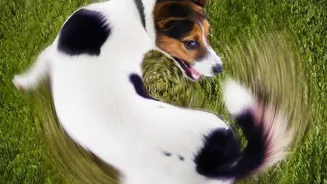
Many well-meaning pet owners find themselves in a frustrating loop. The dog or cat starts itching, licking their paws, or getting recurrent ear infections. You identify the most likely culprit: their food. So, you head to the store and buy a new, often
expensive, 'sensitive skin' formula. For a week, things might seem better. But then the itch returns. You try another brand, maybe switching from chicken to lamb. Still no lasting relief. This trial-and-error approach, known as the 'itch-scratch-switch' cycle, feels productive, but it often delays a real diagnosis and prolongs your pet's discomfort. The core issue is that without a systematic approach, you are just guessing, and each new product introduces more variables, making it impossible to pinpoint the true cause.
What Is Actually Causing the Itch?
Itchiness in pets, medically known as pruritus, is a symptom, not a disease. While food allergies are often blamed, they are not the most common cause. Veterinarians usually consider three main culprits: parasites, environmental allergies, and food allergies. Flea allergy dermatitis is a primary suspect, where a single bite can cause a severe reaction. Environmental allergies (atopy) to things like pollen, dust mites, and molds are also very common and can be seasonal. True food allergies, an immune response to a specific food ingredient—usually a protein like beef or chicken—are the third most common cause. On top of this, secondary bacterial or yeast infections can develop from the constant scratching, which creates its own separate layer of itchiness.
Why Quick Fixes and Constant Changes Fail
Jumping between different foods and products rarely solves the problem for two main reasons. First, it muddies the diagnostic waters. If your pet has a food allergy, it can take 8-12 weeks for the allergen to clear their system and for the skin to heal. Switching foods every few weeks doesn't give any single diet enough time to work. You'll never know if a food was helping because you moved on too quickly. Second, many over-the-counter 'sensitive' diets may still contain trace amounts of allergens or share protein sources that cause cross-reactions. This is especially true as research shows pets are more likely to be allergic to common proteins than grains. Without a vet's guidance, you might just be swapping one problematic protein for another.
The Right Approach: A Systematic Diagnosis
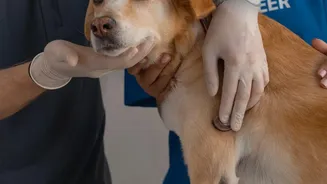
The only way to break the cycle is to partner with your veterinarian for a methodical diagnosis. Your vet will first work to rule out the most common and easily treatable causes. This includes checking for parasites like fleas and mites and treating any secondary skin infections with appropriate medication. If parasites and infections are cleared but the itching persists, the next step is to differentiate between environmental and food allergies. For environmental allergies, your vet might recommend blood tests or intradermal skin testing, similar to what's used in humans, to identify specific triggers like pollen or dust mites. These tests can help guide treatments like allergy shots or oral medications that manage the symptoms.
The Gold Standard: An Elimination Diet
If a food allergy is suspected, blood or skin tests are not considered reliable for diagnosis. The gold standard is a strict elimination diet. This involves feeding your pet a special diet, prescribed by your vet, for 8-12 weeks. This diet will contain either a 'novel' protein and carbohydrate (like kangaroo and oats, or rabbit and quinoa) that your pet has never eaten before, or a 'hydrolyzed' protein that is broken down into such small pieces that the immune system doesn't recognize it as an allergen. The key is strict adherence—no treats, table scraps, or flavored medications are allowed during this period, as a single bite of the wrong food can reset the clock. If the pet's symptoms resolve, a food allergy is likely. Your vet will then guide you through reintroducing old ingredients one by one to identify the specific trigger.