

An Unexpected Dessert Hero
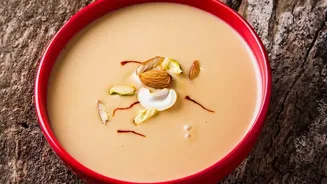
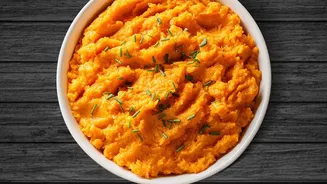
At first glance, a dessert made from potatoes might sound unusual, but Aloo Halwa is a beloved sweet, particularly popular in North India. This rich pudding proves the versatility of the humble potato, transforming it into a melt-in-your-mouth confection
that is both comforting and surprisingly luxurious. The magic lies in cooking down mashed potatoes with ghee, sugar, and aromatic spices until it becomes a glossy, cohesive sweet. It is a traditional dish often prepared during religious fasts (vrat), such as Navratri or Ekadashi, as it is considered a 'phalahari' food that provides energy. Despite its simple ingredients, the final result is a dish with a texture and taste that can rival any complex dessert.
The Genius of Leftover Potatoes
The true beauty of Aloo Halwa, as the headline suggests, is its convenience when you have a head start. The process of boiling, peeling, and mashing potatoes is the most time-consuming part of many potato dishes. When this prep work is already done, you are merely minutes away from a delightful sweet. Instead of reheating leftover boiled potatoes for a savoury meal, you can pivot to dessert in under 20-25 minutes. This makes it an ideal solution for satisfying sudden sweet cravings or for whipping up an impressive dessert for unexpected guests without the usual fuss. It’s a resourceful way to ensure nothing in the kitchen goes to waste.
A Quick and Simple Recipe
Ready to turn those potatoes into pudding? Here’s a straightforward recipe. You will need: 3-4 medium-sized boiled, peeled, and mashed potatoes (about 2 cups); 3/4 to 1 cup of sugar (to taste); 4 tablespoons of ghee; 1/2 teaspoon of cardamom powder; and a handful of chopped nuts like almonds, pistachios, or cashews for garnish. First, heat the ghee in a heavy-bottomed or non-stick pan over medium heat. Add the mashed potatoes and sauté for about 8-10 minutes, stirring continuously, until the potato mash turns slightly golden and aromatic. At this point, add the sugar. The mixture will become loose and runny as the sugar melts, but don't worry. Continue to stir until the mixture thickens again and starts to pull away from the sides of the pan, which should take another 5-7 minutes. You'll know it's ready when the ghee starts to separate from the halwa. Finally, stir in the cardamom powder and most of the chopped nuts, saving some for garnish. Serve it warm.
Tips for the Perfect Halwa
While the recipe is simple, a few tips can elevate your Aloo Halwa from good to great. First, ensure the potatoes are well-mashed or even grated after boiling to avoid lumps and achieve a silky-smooth texture. Don't be shy with the ghee; it is essential for the flavour, aroma, and for preventing the halwa from sticking. The process of 'bhunai' or roasting the potato mash in ghee is the most crucial step—be patient and allow it to roast until it changes colour and releases a nutty aroma. This develops the depth of flavour. You can also add a splash of milk or a few strands of saffron for extra richness and colour. Always serve the halwa warm for the best experience, as the ghee tends to solidify when it cools.