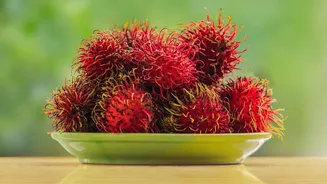







The Joy of India's Lychee Season
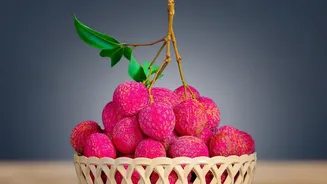
From late spring to early summer, the much-awaited lychee season begins, filling markets with bunches of rosy, bumpy fruit. India is the world's second-largest producer of lychees, with famous varieties like Shahi, Rose Scented, and Calcutta coming from
states like Bihar, West Bengal, and Uttar Pradesh. This fruit is highly perishable, which is why it's a seasonal treat best enjoyed fresh. Its brief appearance makes every juicy bite feel special, but it also means that selecting and storing them correctly is crucial to make the most of their short-lived perfection.
Why Cracked Shells Are a Red Flag
When browsing a pile of lychees, it's common to find some with cracked or split shells. While it might seem like a minor cosmetic issue, these cracks are a significant warning sign. A crack in the lychee's protective outer skin, or pericarp, exposes the delicate flesh inside to the air. This leads to rapid moisture loss, causing the fruit to dry out. More importantly, these openings are an invitation for mould, yeast, and bacteria to enter, which accelerates spoilage and can lead to fermentation. Research shows that pericarp cracking is a physical disorder that not only affects the fruit's appearance but also makes it highly susceptible to decay-causing pathogens.
How to Pick the Perfect Bunch
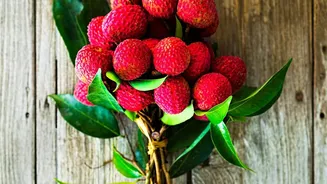
To ensure you bring home the best lychees, use your senses. Look for fruits with vibrant, reddish-pink skin; a little green can be okay, but avoid those that are mostly brown. The fruit should be about an inch or larger in diameter and feel plump and heavy for its size, which indicates it's full of juice. Gently press the shell—it should feel firm but have a slight springiness. If it's rock-hard, it may be underripe, and if it's overly soft or mushy, it's likely overripe or beginning to spoil. Finally, a perfectly ripe lychee will have a fresh, floral fragrance. If it smells sour, fermented, or like alcohol, it's best to leave it behind.
The Golden Rules of Lychee Storage
Lychees don't ripen after being picked, so proper storage is about preservation, not improvement. They are highly perishable and will only last two to three days at room temperature. The best way to keep them fresh for longer—up to a week or even ten days—is to refrigerate them. Don't wash the lychees until you are ready to eat them, as excess moisture can hasten spoilage. For optimal freshness, place them unwashed in a perforated plastic bag or a container lined with a paper towel. This method helps maintain humidity to prevent the skins from browning while absorbing any excess moisture that could lead to mould.
Enjoying Your Lychees to the Fullest
Once you're ready to eat them, simply peel the skin with your fingers—it should come off easily on a ripe fruit. The translucent white flesh is the prize, but be sure to discard the large, glossy brown seed inside, as it is inedible. While eating them fresh is the most popular way to enjoy lychees, they are also incredibly versatile. You can pit them and add them to fruit salads, blend them into refreshing summer coolers and mocktails, or use them to top desserts like ice cream and panna cotta. For long-term enjoyment, you can even freeze peeled and pitted lychees; they taste like a natural sorbet straight from the freezer.